If you own a Victorian terrace, a Georgian townhouse or anything with a blue plaque nearby, you already know the sinking feeling of a planning officer’s letter explaining why your lovely original sash windows cannot simply be swapped for uPVC double glazing. You are cold, your heating bill is climbing, and the “obvious” fix is the one option you are least likely to get past conservation rules. Secondary glazing exists for exactly this situation, and understanding secondary glazing UK cost against what double glazing would cost, if it were even allowed, is usually the first sensible step.
For most listed and conservation-area homes, secondary glazing is the realistic route to warmer windows, typically costing from around £300 to £700 per window installed against £600 to £1,200 or more for comparable double glazing, where double glazing is permitted at all. It is not a downgrade dressed up as a compromise — it is a genuinely different product that solves the thermal and noise problem while leaving the historic window intact behind it.
Why period and listed homes can’t just fit double glazing
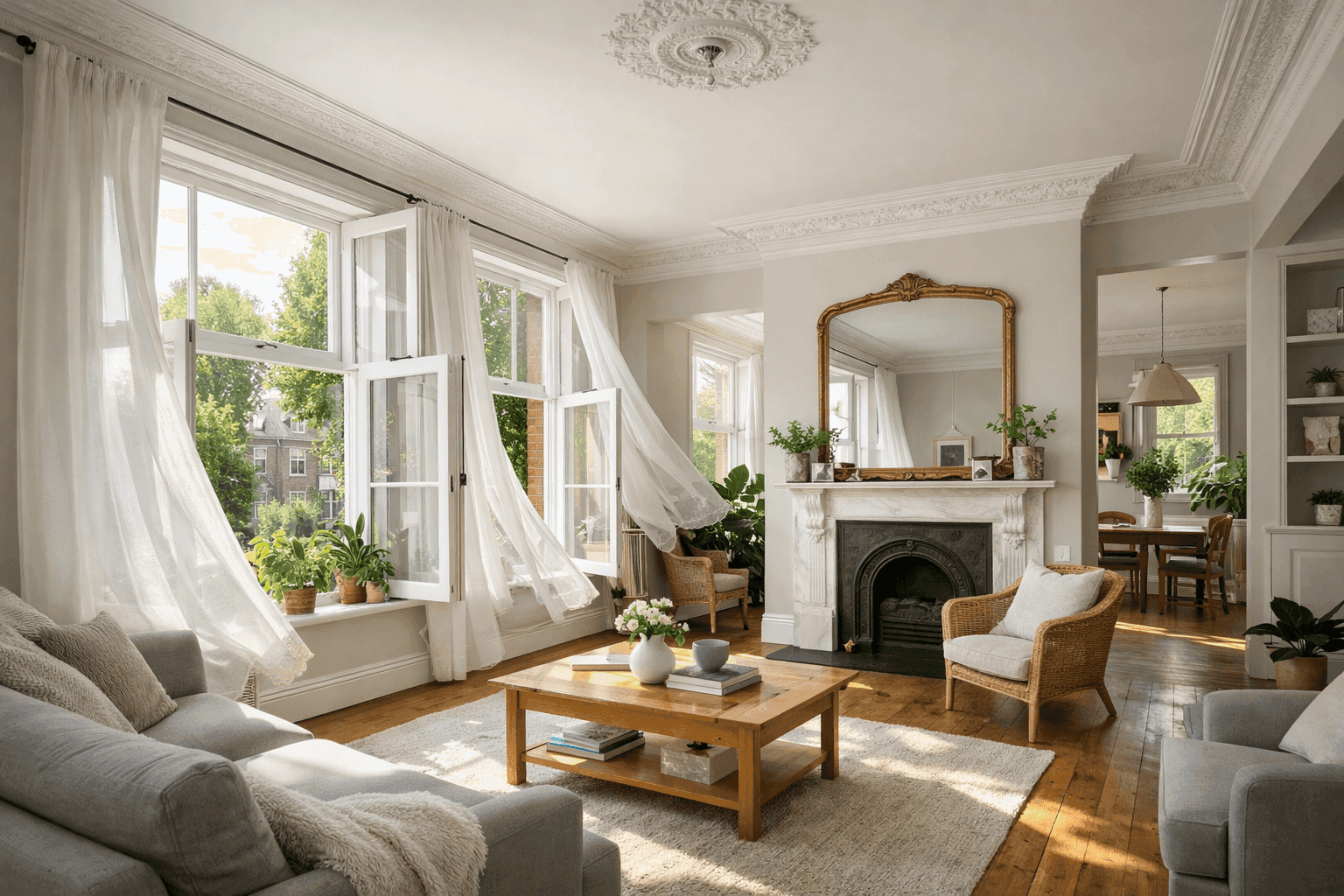
Original single-glazed timber sashes and casements are part of what makes a listed building, or a building in a conservation area, protected in the first place. Swapping them for factory-made double-glazed units usually changes the glazing bars, the sightlines, the reflectivity of the glass and the way the frame sits in the reveal — all things a conservation officer is specifically looking at. In a listed building this generally needs listed building consent, and refusal is common even where the same work would be routine next door outside the boundary.
What secondary glazing actually is (and isn’t)
Secondary glazing is a second, independent pane — usually in a slim aluminium, uPVC or timber frame — fitted to the inside of the existing window reveal, a few centimetres in front of the original glass. The original window stays exactly as it is and remains the weatherproof layer; the secondary pane sits inside, in the warm, and does the insulating and sound-deadening work. It is not the same as double glazing, where the two panes are sealed together as one unit; here the air gap is much larger, which is actually what makes it perform well acoustically.
DIY kits vs professional installation
Basic DIY secondary glazing kits — thin polycarbonate sheet on magnetic or clip fixings — start from as little as £30–£60 per window and are genuinely effective against draughts, though they look and perform more like a stopgap than a permanent fixture. Professionally installed secondary glazing, with slimline aluminium frames, low-E glass and better seals, is the version most conservation officers and most homeowners actually mean when they ask about it, and it is the version worth comparing properly against double glazing.
Secondary glazing UK cost
Expect roughly £300–£700 per window for a professionally installed horizontal-sliding or vertical-sliding secondary glazing unit, depending on window size, frame finish and whether the glass is acoustic-rated. For a typical mid-terrace with eight to ten windows, that puts a whole-house job somewhere in the £2,500–£6,000 range, against £5,000–£12,000 or more for a comparable double-glazing replacement job where it would even be approved.
Bespoke shapes — bay windows, arched heads, oversized Georgian sashes — cost more, because nothing about a period property is a standard size. Get quotes measured in person, not from a photograph.
Do you need listed building consent?
Often, yes, if the property is listed — even though secondary glazing does not touch the original window. Because it can involve fixing a frame into historic reveals or joinery, many local conservation teams treat it as work requiring consent, though some are pragmatic about slim, reversible, screw-free systems. If your home is only in a conservation area, and not individually listed, secondary glazing is usually straightforward and rarely needs planning permission at all.
Always check with your local conservation officer before ordering, in writing, and keep the reply. A refusal after installation is a far more expensive problem than a five-minute email beforehand.
Secondary glazing vs double glazing: the real trade-offs
Double glazing wins on thermal performance per unit if you can get it approved at all, and it needs no second pane to clean. Secondary glazing wins on three things double glazing usually can’t touch in a period home: it preserves the original window as a heritage asset, it markedly outperforms double glazing on noise reduction because of the wider air gap, and it is reversible — remove it and the original window is untouched, which matters enormously to future buyers and to conservation officers alike.
Here’s the opinion worth having before you get quotes for either: in a genuinely listed or heavily protected property, stop treating secondary glazing as the consolation prize and start treating it as the correct specification, because it is often both the only realistic option and, for noise, the better-performing one. Homeowners who spend months trying to win consent for double glazing they were never going to get would usually have been warmer, and calmer, six months earlier with secondary glazing already fitted.
Does secondary glazing help your EPC rating?
It can contribute a modest improvement to your EPC score, though current assessment methodology does not always credit it as generously as full double glazing. If your main goal is EPC points rather than comfort or noise, get a DEA’s view on which of your remaining upgrade options — loft insulation, draught-proofing, heating controls — will move your rating further per pound spent.
What to do in the next 30 minutes
Check whether your property is individually listed (not just in a conservation area) on the National Heritage List for England, or the equivalent register for Scotland, Wales or Northern Ireland.
Measure two or three of your worst-draught windows so you can get like-for-like secondary glazing quotes.
Email your local conservation officer to ask, in plain terms, whether secondary glazing needs consent on your specific property.
Get at least three professional secondary glazing quotes, not just one DIY kit price and one full double-glazing price.
Ask each installer for photos of a similar period property they’ve fitted, not just a generic product brochure.
Keep the consent correspondence, the quotes and the final installer certificate together against the property, rather than letting the one email that matters get buried in your inbox.
Log window upgrades in Home+ as soon as work is agreed, so the consent letter, the invoice and the installer’s guarantee are sitting against your property record when a future buyer’s conveyancer, or your own memory in five years, asks what was actually done and with whose permission.
FAQ
Is secondary glazing worth it compared with double glazing? In a listed or conservation-area property, usually yes, because it is often the only realistic route to better insulation and it can outperform double glazing on noise. In an unlisted modern property, double glazing is normally the better long-term choice if it’s available.
Do I need planning permission for secondary glazing? Not usually if your home is only in a conservation area and not individually listed. If it is listed, check with your conservation officer, since practice varies between local authorities.
How much does secondary glazing cost per window in the UK? Professionally installed secondary glazing typically runs from roughly £300 to £700 per window depending on size and specification.
Does secondary glazing stop condensation? It can reduce condensation on the inner pane by keeping the original window warmer, but poor ventilation elsewhere in the room can still cause damp problems, so it isn’t a substitute for proper ventilation.
Can I fit secondary glazing myself? Basic DIY kits are straightforward for most homeowners to fit. A professionally installed slimline system, especially on an unusual window shape, is normally better left to an installer who measures and manufactures to the exact reveal.
Will secondary glazing devalue my period home? No, and reversibility is exactly why it’s often preferred over anything permanent — remove it and the original window is unaffected, which buyers and conservation officers both tend to see as a plus rather than a compromise.