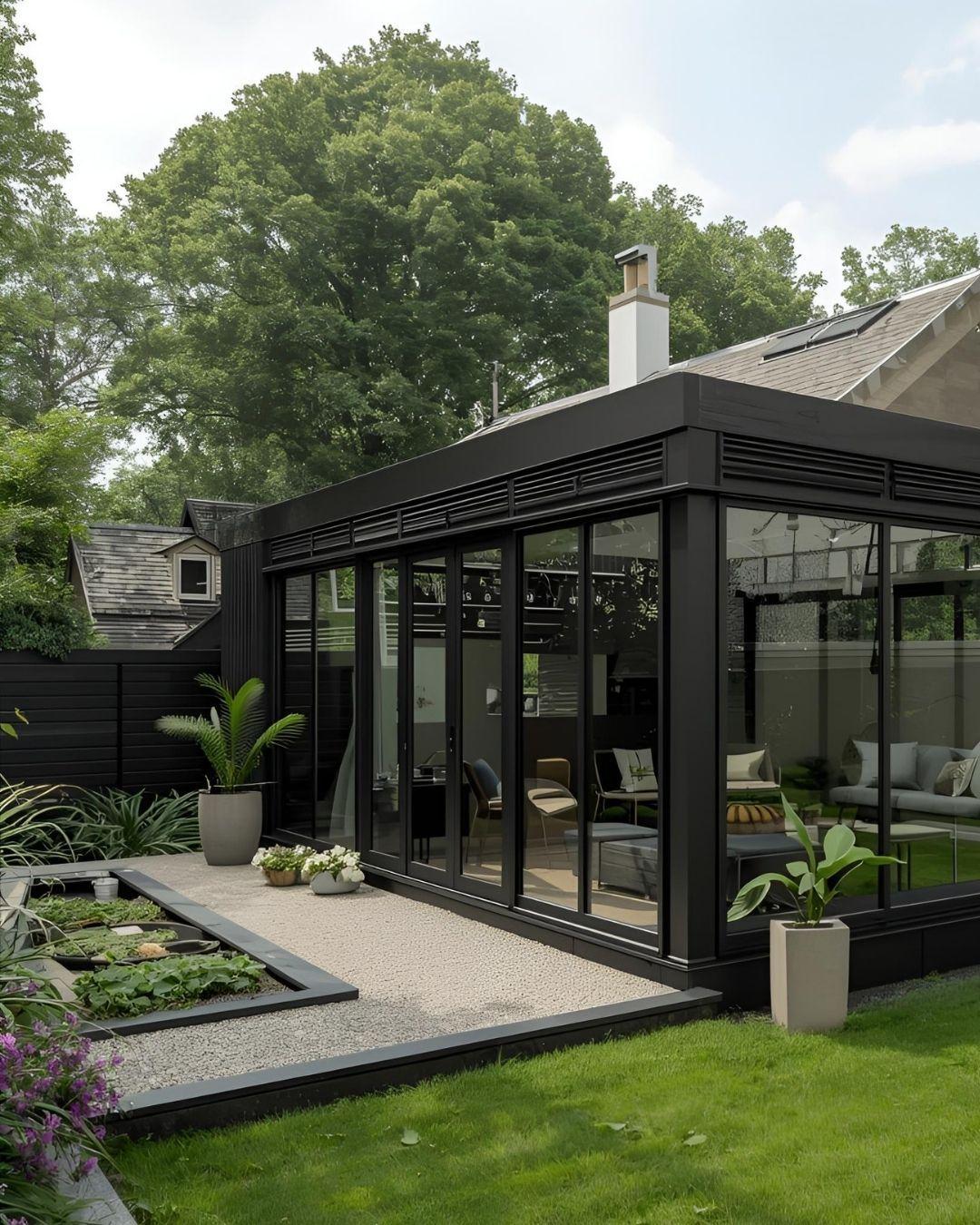
Home Ventilation and Why It Matters: A Complete Guide for Homeowners
Every breath you take inside your home depends on how well your property ventilates. Yet ventilation remains one of the most overlooked aspects of home maintenance, often ignored until condensation streams down windows or that unmistakable musty smell refuses to shift. For homeowners across London and the Home Counties, understanding ventilation is not just about comfort - it is fundamental to protecting both your health and your property's structural integrity.
The air inside your home can be up to five times more polluted than outdoor air, according to research from the Building Research Establishment. This startling fact becomes even more significant when you consider that we spend approximately 90 percent of our time indoors. From cooking fumes and cleaning products to pet dander and volatile organic compounds from furniture, the air circulating through your rooms carries far more than you might imagine.
This comprehensive guide will help you understand how ventilation works in your home, recognise the warning signs of poor air circulation, and take practical steps to create a healthier living environment. Whether you live in a Victorian terrace in North London, a 1930s semi in Surrey, or a modern apartment in Hertfordshire, the principles of good ventilation apply to every home.
Understanding How Your Home Breathes

Think of your home as a living system that needs to breathe. Just as your lungs exchange stale air for fresh oxygen, your property requires a constant flow of air to remain healthy. This exchange happens through a combination of intentional design features and natural air movement.
Traditional homes built before the 1920s were designed with ventilation in mind, even if the architects did not use that terminology. High ceilings allowed warm, stale air to rise away from living spaces. Suspended timber floors incorporated air bricks in external walls, creating underfloor ventilation that prevented moisture accumulating in structural timbers. Chimneys acted as natural extraction points, drawing air through rooms even when fires were not lit.
Modern homes take a different approach. Building regulations introduced from the 1990s onwards focused heavily on energy efficiency, creating tighter building envelopes that reduce heat loss but simultaneously restrict natural air movement. These homes rely more heavily on mechanical ventilation and carefully positioned trickle vents to maintain air quality.
The challenge for many homeowners in the South East is that their property falls somewhere between these two approaches. A 1970s estate home might have been retrofitted with double glazing and draught-proofing, sealing up the natural ventilation paths without introducing alternatives. Understanding where your home sits on this spectrum is the first step toward improving its air quality.
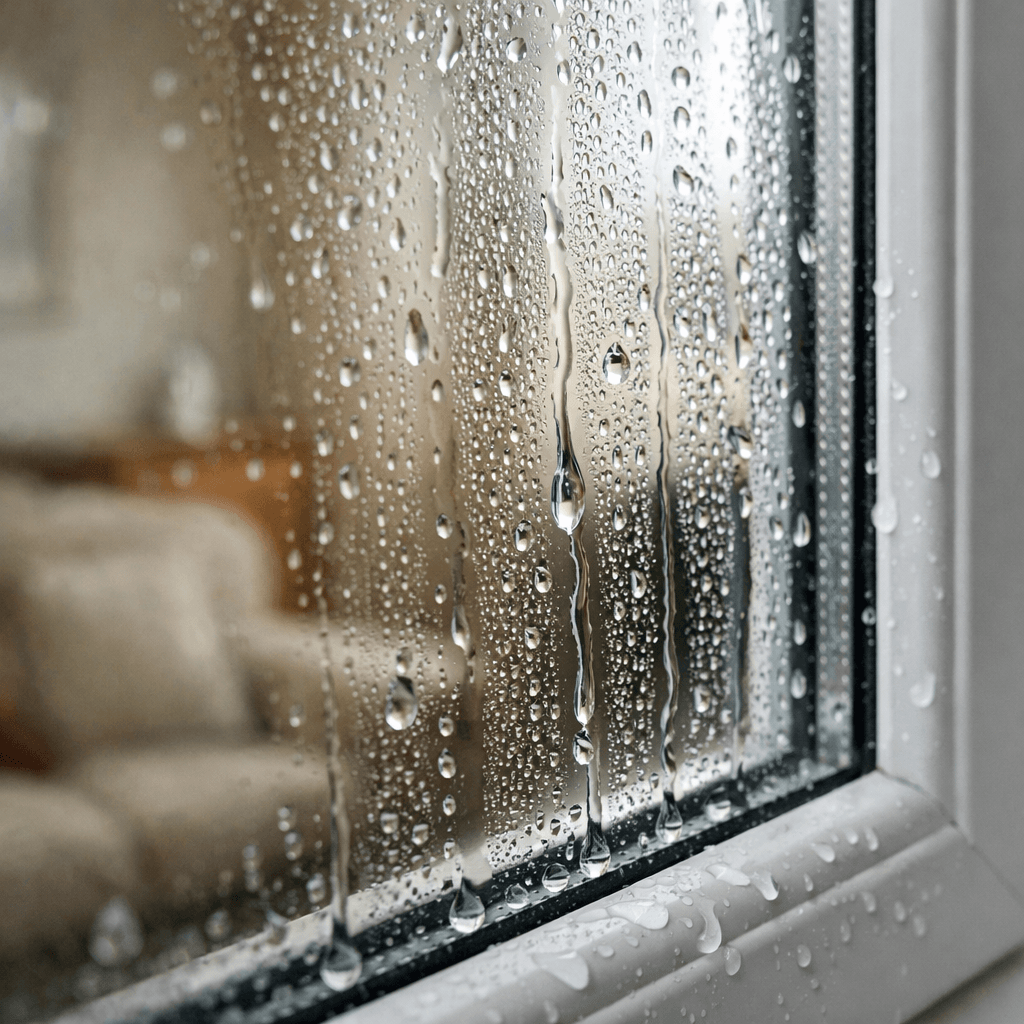
The Hidden Costs of Poor Ventilation
Poor ventilation affects your home in ways that are not immediately obvious, but the cumulative damage can be substantial. Recognising these issues early gives you the opportunity to address them before they become expensive problems.
Condensation and Damp
The most visible sign of inadequate ventilation is condensation. When warm, moist air meets cold surfaces like windows or external walls, water droplets form. In London and the Home Counties, where property values mean homes are often tightly packed together with limited external wall exposure to drying breezes, condensation problems are particularly common.
Left unchecked, persistent condensation leads to black mould growth. This is not merely unsightly - it can damage paintwork, wallpaper, window frames, and soft furnishings. More seriously, mould spores circulating in indoor air can trigger respiratory problems, allergies, and asthma symptoms, particularly in children and elderly residents.
Structural Damage
Excess moisture in poorly ventilated homes penetrates beyond surface finishes. Timber window frames, skirting boards, and floor joists can absorb moisture, eventually leading to wet rot or dry rot. In the worst cases, structural timbers may need complete replacement, a repair that can easily run into thousands of pounds.
Properties with suspended timber ground floors are especially vulnerable. If the airbricks providing underfloor ventilation become blocked by garden landscaping, overgrown plants, or interior alterations, the trapped moisture creates ideal conditions for timber decay.
Energy Waste and Higher Bills
Paradoxically, poor ventilation can increase your heating bills rather than reduce them. Humid air feels colder than dry air at the same temperature, meaning you instinctively turn up the thermostat to feel comfortable. Additionally, moisture-laden air is harder to heat efficiently, requiring more energy to reach the same temperature.
Health Implications
Beyond mould-related respiratory issues, inadequate ventilation allows pollutants to accumulate. Volatile organic compounds from cleaning products, paint, and new furniture can reach concentrations that cause headaches, fatigue, and eye irritation. Carbon dioxide levels rise when rooms are occupied, leading to stuffiness, difficulty concentrating, and disturbed sleep.
Types of Ventilation Systems Explained
Understanding the ventilation systems in your home helps you maintain them properly and identify when improvements might be beneficial.
Natural Ventilation
This relies on air pressure differences and temperature variations to move air through your home without mechanical assistance. Key components include:
- Trickle vents in window frames providing background ventilation
- Airbricks in external walls serving underfloor spaces and some rooms
- Chimneys and flues creating natural updrafts
- Gaps around doors and windows in older properties
Natural ventilation costs nothing to run and requires minimal maintenance. However, it depends on weather conditions and temperature differences, making it less reliable and controllable than mechanical alternatives.
Intermittent Extract Fans
These are the fans in bathrooms, kitchens, and utility rooms that switch on when needed, either manually or via humidity sensors and timers. They extract moisture and odours at source, preventing them from spreading through your home.
Modern extract fans often include humidistat controls that activate automatically when moisture levels rise, continuing to run until humidity returns to normal levels. This prevents the common problem of fans being switched off too soon after bathing or cooking.
Continuous Mechanical Extract Ventilation
Some properties have centralised extract systems that run continuously at a low level, increasing speed in response to humidity sensors in wet rooms. These systems maintain consistent background ventilation throughout the day, which is particularly beneficial in well-sealed modern homes.
Mechanical Ventilation with Heat Recovery
Heat recovery systems represent the most sophisticated approach to home ventilation. They extract stale air from wet rooms while simultaneously supplying fresh air to living spaces, using a heat exchanger to transfer warmth from outgoing to incoming air. This recovers up to 90 percent of the heat that would otherwise be lost through ventilation.
These systems are most commonly found in new-build properties designed to meet stringent energy efficiency standards, but they can be retrofitted to existing homes during major renovations.
Room by Room Ventilation Needs
Different rooms in your home have different ventilation requirements based on how they are used and the moisture or pollutants they generate.
Kitchens
Cooking produces substantial amounts of moisture and airborne grease particles. A family preparing an average meal releases several pints of water vapour into the air. Effective kitchen ventilation typically requires:
- An extract fan or cooker hood capable of moving at least 60 litres of air per second
- Make-up air provision to replace extracted air, often via trickle vents or a door to an adjoining room
- Regular cleaning of filters and ductwork to maintain efficiency
For homes in the South East where kitchen extensions and open-plan living have become increasingly popular, ensuring adequate ventilation in these larger cooking spaces is especially important.
Bathrooms and Shower Rooms
These rooms generate concentrated bursts of moisture that need rapid extraction. Building regulations require extract fans in bathrooms without opening windows, capable of moving at least 15 litres of air per second. Even bathrooms with windows benefit from mechanical extraction, as opening windows during winter months causes significant heat loss and is impractical during inclement weather.
Humidistat-controlled fans that continue running after you leave the room until moisture levels normalise are particularly effective. Timer overruns of at least 15 minutes are generally recommended following bathing.
Bedrooms
We each release approximately one pint of moisture overnight through breathing and perspiration. Bedrooms need adequate background ventilation to prevent this moisture accumulating. Trickle vents should remain open during sleeping hours, and where possible, internal doors left ajar to allow air circulation.
Living Rooms
These spaces benefit from regular air changes to remove carbon dioxide, household odours, and pollutants from soft furnishings. Natural ventilation through windows during warmer months, combined with background ventilation through trickle vents year-round, usually suffices.
Utility Rooms and Drying Areas
If you dry laundry indoors, you are adding significant moisture to your home - a typical wash load releases around two litres of water as it dries. Dedicated drying spaces need robust ventilation, ideally mechanical extraction, to cope with this moisture load. Where possible, using a vented tumble dryer or condenser dryer reduces the burden on your ventilation system.
Recognising Ventilation Problems in Your Home
Early identification of ventilation issues allows you to address them before serious damage occurs. Watch for these warning signs:
Visual Indicators
- Condensation on windows, particularly in the mornings
- Water pooling on windowsills
- Black spots or patches on walls, ceilings, or around window reveals
- Peeling wallpaper or bubbling paint, especially on external walls
- Tide marks on walls showing where moisture has wicked up from floors
Smell Indicators
- Persistent musty or stale odours that do not clear when rooms are cleaned
- Damp or earthy smells, particularly in cupboards against external walls
- Lingering cooking odours hours after meals are prepared
Physical Indicators
- Rooms that feel clammy or stuffy despite adequate heating
- Waking with a dry throat or headaches
- Increased allergy symptoms or respiratory irritation when indoors
- Soft or crumbling plaster in corners of rooms
Property Specific Issues in London and the Home Counties
The mix of housing stock across the South East creates particular ventilation challenges. Victorian and Edwardian terraces, prevalent throughout London's inner suburbs and commuter towns, often have solid rear additions where damp can accumulate in internal corners. Post-war estates in areas like outer London, Essex, and Kent may have concrete floors that trap moisture beneath vinyl or laminate flooring.
Properties with basements or cellar spaces, common in older parts of Central and North London, require careful attention to below-ground ventilation to prevent rising damp affecting ground floor rooms.
Practical Steps to Improve Your Home's Ventilation

Many ventilation improvements are straightforward and can be implemented without professional assistance. These practical measures make meaningful differences to air quality.
Maintain Existing Ventilation Features
| Feature | Maintenance Task | Frequency |
|---------|-----------------|-----------|
| Trickle vents | Clean and check operation | Every 3 months |
| Extract fans | Clean filters and grilles | Monthly |
| Airbricks | Clear debris and check for blockages | Every 6 months |
| Cooker hoods | Clean or replace filters | Monthly |
Optimise Daily Habits
Small changes to daily routines significantly impact indoor air quality:
- Open windows for 10 to 15 minutes each morning to flush out overnight moisture and stale air, even during winter
- Close kitchen doors while cooking and run extract fans during and for at least 20 minutes after food preparation
- Keep bathroom doors closed while bathing and allow extract fans to run until steam clears completely
- Avoid drying clothes on radiators or airers in living spaces; if indoor drying is necessary, use a well-ventilated utility room with the door closed
- Leave gaps between furniture and external walls to allow air circulation and prevent cold spots where condensation forms
Address Blocked or Inadequate Ventilation
Check that trickle vents in window frames are open and operating freely. Many homeowners close these during winter without realising the impact on air quality. Similarly, examine external airbricks to ensure they have not been blocked by raised garden levels, overgrown plants, or interior alterations like new flooring or insulation.
If bathrooms or kitchens lack adequate mechanical ventilation, installing new extract fans is a relatively straightforward improvement. Modern fans with humidity sensors and quiet operation overcome many objections that led homeowners to disable earlier, noisier models.
Consider Moisture Sources
Reducing moisture at source complements ventilation improvements:
- Use lids on pans when cooking to reduce steam release
- Ensure tumble dryers are vented externally or use condenser models
- Fix dripping taps and leaking pipes promptly
- Ensure washing machines and dishwashers drain properly
- Consider using a dehumidifier in problem areas during winter months
When Professional Help Makes Sense
While many ventilation improvements are achievable through DIY efforts, some situations benefit from professional assessment or installation.
Persistent Damp Despite Good Practices
If you maintain good ventilation habits but still experience condensation or damp, the underlying cause may require investigation. Rising damp, penetrating damp from external sources, or plumbing leaks can all create symptoms that resemble ventilation problems. A qualified surveyor can diagnose the actual cause and recommend appropriate remediation.
Installing New Ventilation Systems
Fitting extract fans involves electrical work that must comply with building regulations. If you are not confident working with electrics, or if the installation requires connection to your home's main wiring circuit, engaging a qualified electrician ensures safe, compliant installation.
For more complex systems like whole-house mechanical ventilation with heat recovery, professional design and installation is essential. These systems require careful calculation of air flow rates, correct duct sizing, and proper commissioning to function effectively.
Dealing with Significant Mould Growth
Extensive mould contamination, particularly black mould covering large areas, may require professional remediation. Disturbing significant mould growth can release large quantities of spores into the air, potentially affecting occupants with respiratory conditions. Specialists have appropriate protective equipment and containment procedures.
Estimated Costs for Ventilation Improvements
| Improvement | Typical Cost | Notes |
|-------------|--------------|-------|
| Basic bathroom extract fan | £80 to £150 | DIY installation possible |
| Humidity-sensing extract fan | £120 to £250 | Professional installation recommended |
| Kitchen cooker hood | £150 to £500 | Depends on venting requirements |
| Positive input ventilation | £400 to £800 | Professional installation required |
| MVHR system | £3,000 to £7,000 | New build or major renovation only |
Seasonal Considerations for London and the Home Counties
The climate across the South East creates predictable seasonal patterns that affect ventilation needs.
Autumn and Winter
As temperatures drop and heating systems activate, the risk of condensation increases. Warm indoor air holds more moisture than cold outdoor air; when this warm air contacts cold surfaces like windows and external walls, condensation forms. This period requires particular attention to:
- Running extract fans consistently when bathing and cooking
- Maintaining background heating in all rooms to prevent cold surfaces forming
- Ensuring trickle vents remain open
- Monitoring for early signs of condensation, especially in north-facing rooms
Spring
Rising temperatures and opening windows provide natural ventilation but can also introduce increased pollen levels. For allergy sufferers, balancing the need for fresh air against pollen exposure may require strategic timing of ventilation, such as opening windows in early morning or evening when pollen counts are lower.
Summer
Hot spells, increasingly common in the South East, can make homes uncomfortable without adequate ventilation. Cross-ventilation, opening windows on opposite sides of your home to create airflow, provides effective cooling without energy costs. During heatwaves, ventilating at night when outdoor temperatures drop helps flush accumulated heat from the building fabric.
Frequently Asked Questions
Why do my windows steam up every morning even though I have double glazing?
Double glazing reduces heat loss but also reduces surface temperature of the inner pane compared to single glazing. This makes condensation less likely but does not eliminate it. Morning condensation typically indicates moisture accumulating in bedrooms overnight from breathing and perspiration. Ensure trickle vents are open, leave bedroom doors slightly ajar, and consider running bathroom extract fans for longer after evening showers.
Should I keep my trickle vents open in winter?
Yes, trickle vents are designed to provide background ventilation without causing draughts or significant heat loss. Closing them in winter is counterproductive, as it traps moisture inside your home where it causes condensation and potential damp problems. The small amount of heat lost through trickle vents is far less costly than remedying damp damage.
How can I tell if my extract fan is working properly?
Hold a tissue near the fan grille when it is running. If the tissue is pulled toward the grille and held in place, the fan is extracting air effectively. If the tissue falls away or is only weakly attracted, the fan may be blocked, failing, or undersized for the space. Also listen for unusual noises and check that the external vent is clear of debris.
Is it normal to have some condensation on windows?
Occasional light condensation, particularly after cooking or bathing, is normal and indicates your ventilation is working to remove moisture before it penetrates building fabric. However, daily heavy condensation, water running down windows, or condensation persisting throughout the day suggests inadequate ventilation that needs addressing.
My 1930s house has airbricks that have been painted over. Should I unblock them?
Probably yes, but it depends on what space they serve. Airbricks serving underfloor voids in suspended timber floors should definitely be cleared, as blocked ventilation risks timber decay. Airbricks serving rooms may have been blocked deliberately if the room has been refurbished with a solid floor or different ventilation provision. If you are unsure, seeking advice from a surveyor familiar with period properties is worthwhile.
Will improving ventilation make my home colder and increase heating bills?
When done correctly, improved ventilation should not significantly increase heating costs. Background ventilation through trickle vents causes minimal heat loss. Extracting moist air and replacing it with drier outdoor air actually improves heating efficiency, as dry air heats more readily than humid air. Any increased ventilation heat loss is typically offset by reduced dehumidification needs and prevented damp damage.
How often should I replace my bathroom extract fan?
Quality extract fans typically last 10 to 15 years with proper maintenance. Replace sooner if the fan becomes excessively noisy, runs continuously when it should stop, fails to extract effectively, or shows visible signs of corrosion. Fans in frequently used bathrooms work harder and may need earlier replacement.
Taking Control of Your Home's Air Quality
Good ventilation is one of the most fundamental aspects of maintaining a healthy, comfortable home. By understanding how your property breathes, recognising the warning signs of problems, and taking proactive steps to maintain adequate air circulation, you protect both your family's health and your property's condition.
The principles outlined in this guide apply whether you live in a period property in a leafy London suburb, a modern apartment overlooking the Thames, or a family home in the commuter belt of Surrey, Hertfordshire, or Kent. Every home benefits from attention to air quality.
Start with the simple steps: check that existing ventilation features are working and unobstructed, adopt daily habits that minimise moisture accumulation, and address problems early before they become serious. These measures cost little but deliver significant benefits.
For homeowners considering more substantial improvements or dealing with persistent issues, professional guidance ensures effective solutions tailored to your specific property. Need help maintaining your home or finding trusted professionals for ventilation improvements? Home+ connects you with qualified experts who understand the unique challenges of properties across London and the Home Counties.
Top Tip:
This guide was researched and structured with AI assistance and reviewed for accuracy by our editorial team.