Protecting Your Home from Frost and Cold: A Winter Guide for London and Home Counties
Winter in the South East brings its own unique challenges for homeowners. While we may not face the harsh conditions of northern regions, the combination of mild, wet weather interspersed with sudden cold snaps can catch many properties off guard. From Victorian terraces in inner London to modern detached homes in the surrounding counties, understanding how to protect your home from frost and cold is essential for avoiding costly damage and maintaining comfort throughout the winter months.
The unpredictable nature of weather in London and the Home Counties means that temperatures can plummet unexpectedly, often catching homeowners unprepared. Unlike areas with consistently cold winters, properties in the South East are sometimes less equipped for extreme cold, making prevention and preparation even more crucial.
Understanding Your Home's Vulnerabilities

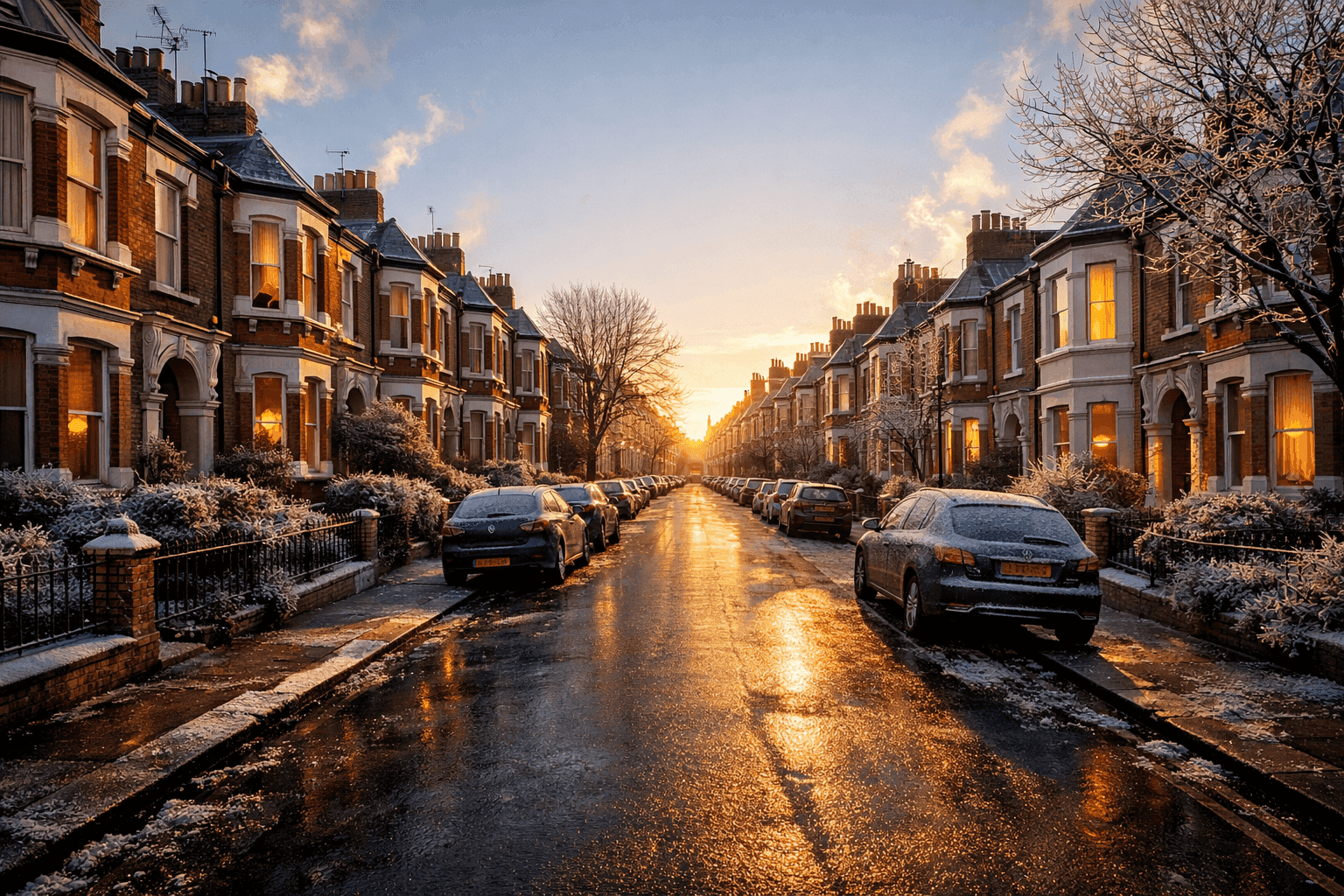
Different property types across London and the Home Counties face varying challenges during cold weather. Victorian and Edwardian terraced houses, common throughout the region, often have original features that can be susceptible to cold damage. These properties frequently have lead pipes, single-glazed windows, and minimal insulation, making them particularly vulnerable to frost damage.
Modern homes, while better insulated, can still face challenges. Combination boilers, popular in newer properties, can be sensitive to freezing conditions if not properly maintained. Understanding your specific property type helps you focus your winter protection efforts where they're needed most.
External walls in older properties are often solid brick or stone with no cavity insulation. This means they lose heat more rapidly and are more susceptible to internal temperature drops that can lead to pipe freezing. Semi-detached and detached properties in the outer areas of London and the Home Counties may have different vulnerabilities, including exposed pipework in garages or outbuildings.
Protecting Your Plumbing System
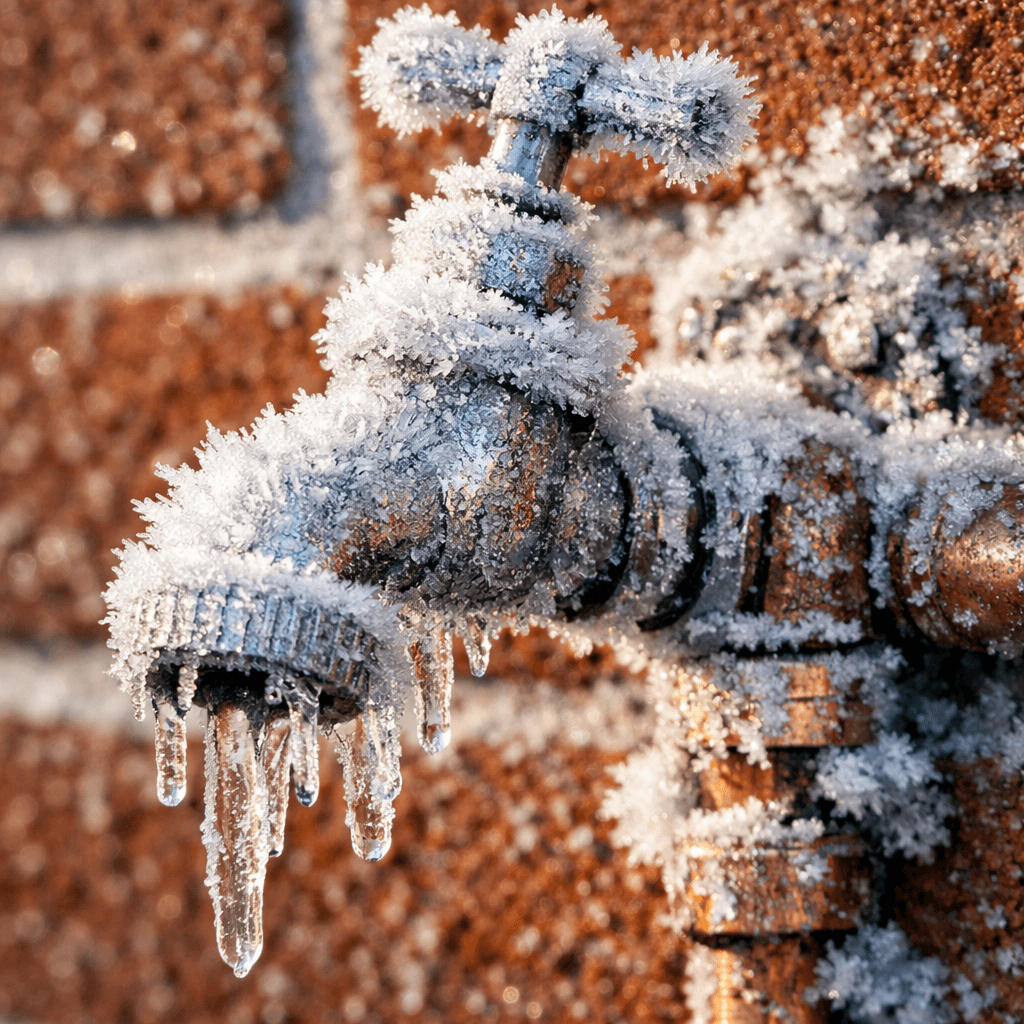
Your plumbing system is perhaps the most vulnerable aspect of your home during cold weather. Water expands when it freezes, and this expansion can cause pipes to burst, leading to significant water damage and costly repairs.
Identifying Vulnerable Pipes
Start by identifying which pipes in your home are most at risk. These typically include:
- Pipes in unheated spaces such as lofts, garages, or basements
- External pipes feeding garden taps or outdoor toilets
- Pipes running along external walls
- Supply pipes to combi boilers in unheated cupboards
Insulation Strategies
Pipe insulation is your first line of defence. Foam pipe insulation sleeves are inexpensive and easy to install yourself. For pipes in particularly vulnerable locations, consider adding additional layers of insulation or using specialist pipe heating cables.
Pay particular attention to your stopcock and internal pipework near external doors or windows. In many London and Home Counties homes, the internal stopcock is located near the front door or in an understairs cupboard, making it susceptible to cold draughts.
Water Tank Considerations
If your property has a cold water storage tank in the loft, ensure it's properly insulated but not underneath - you want some heat from below to prevent freezing. The tank itself should be wrapped in an insulation jacket, and the pipes leading to and from it should be thoroughly lagged.
Heating System Winterisation
Your heating system works hardest during winter, making proper maintenance and preparation essential. Different systems require different approaches, but all benefit from pre-winter attention.
Boiler Preparation
Combination boilers, fitted in many properties across the region, should be serviced annually, ideally before the heating season begins. Check that your boiler's condensate pipe, which carries away condensation, is properly insulated. This pipe often runs externally and can freeze, causing your boiler to shut down.
For properties with older systems, including back boilers common in Victorian terraces, ensure the heating is tested well before the first cold snap. These systems can be more temperamental and may need time to resolve any issues that arise.
Radiator Efficiency
Bleed your radiators at the start of the heating season to ensure they're working efficiently. Cold spots at the top of radiators indicate trapped air, which reduces heating effectiveness and increases energy costs.
Consider the positioning of furniture around radiators. Moving sofas and curtains away from heat sources improves circulation and reduces the energy needed to heat your home.
Temperature Management
During extended cold periods, it's often more economical to maintain a constant low temperature rather than allowing your home to cool completely and then reheating. Set your heating to come on earlier and run longer at a lower temperature rather than blasting high heat for short periods.
Windows and Doors: Sealing Against the Cold
Heat loss through windows and doors can account for a significant portion of your energy bills. Properties in London and the Home Counties often feature original sash windows or older double glazing that may not provide optimal insulation.
Draught Proofing
Identifying and sealing draughts is one of the most cost-effective ways to improve your home's cold weather performance. Check around window frames, door frames, and where services enter your property. Simple draught excluders, available from most DIY stores, can make a significant difference.
For sash windows, consider professional draught-proofing systems that maintain the window's functionality while improving thermal performance. This is particularly relevant for listed properties or those in conservation areas where replacement windows may not be permitted.
Temporary Measures
During particularly cold spells, temporary measures can provide additional protection. Heavy curtains drawn at dusk help retain heat, while thermal linings can be added to existing curtains for extra insulation.
For homes with single glazing, temporary secondary glazing film can provide an additional barrier against cold. While not a permanent solution, it's cost-effective for occasional extreme weather.
Roof and Loft Considerations
Your roof and loft space play crucial roles in your home's thermal performance and are particularly important in preventing ice dams and other cold-weather issues.
Insulation Assessment
Current building regulations recommend at least 270mm of loft insulation. Many older properties in the region have insufficient insulation, leading to heat loss and higher energy bills. Topping up loft insulation is a straightforward DIY task that provides immediate benefits.
When adding insulation, ensure you don't block eaves ventilation, which is essential for preventing condensation and maintaining roof health. The balance between insulation and ventilation is crucial in our relatively mild, damp climate.
Guttering and Drainage
Clear gutters and downpipes are essential before winter arrives. Blocked gutters can overflow, causing water to penetrate your property or freeze, potentially damaging the guttering system itself.
Check that gutters are securely fixed and that joints are watertight. The frequent freeze-thaw cycles common in the South East can exacerbate any existing weaknesses in your drainage system.
External Property Protection
The exterior of your property faces the full force of winter weather and requires specific attention to prevent cold-related damage.
Garden Taps and External Pipework
External taps should be turned off at their internal isolation valve, and the tap opened to drain any remaining water. This prevents the external section of pipework from freezing and potentially causing internal damage.
If you have a garden irrigation system, ensure it's been properly drained and winterised. Even small amounts of water left in pipes can cause significant damage when they freeze.
Paths and Driveways
While significant snow is relatively rare in London and the Home Counties, ice can form quickly on paths and driveways, creating safety hazards. Keep rock salt or specialist ice-melting products available, and consider the impact of these treatments on plants and grass borders.
For properties with block paving or natural stone, avoid using salt-based products that can cause surface damage over time. Sand provides grip without chemical damage, though it requires clearing up once conditions improve.
Emergency Preparedness and Response

Despite best preparations, emergency situations can still arise. Having a plan and the right supplies can minimise damage and disruption.
Essential Supplies
Keep emergency supplies including:
- Torch and spare batteries
- Emergency contact numbers for utility companies
- Location of your stopcock and how to turn it off
- Basic tools for emergency repairs
- Emergency heating source if your main system fails
Recognising Warning Signs
Learn to recognise early warning signs of cold-related problems:
- Reduced water pressure may indicate partially frozen pipes
- Unusual noises from your boiler could suggest freezing in the condensate pipe
- Ice forming on the inside of windows indicates significant heat loss or ventilation problems
When to Seek Professional Help
While many winter preparations can be undertaken by homeowners, certain situations require professional attention. If you suspect your boiler has a significant problem, or if you discover burst pipes, it's important to contact qualified professionals promptly.
For properties with complex heating systems or those in conservation areas with restrictions on modifications, professional advice ensures any improvements comply with regulations while providing effective protection.
Cost-Effective Winter Improvements
Protecting your home from cold doesn't have to involve major expenditure. Many effective measures are surprisingly affordable and can provide immediate benefits.
Budget-Friendly Improvements
| Improvement | Cost Range | Expected Benefit |
|-------------|-------------|------------------|
| Pipe Insulation | £20 to £50 | Prevents burst pipes |
| Draught Proofing | £30 to £80 | Reduces heat loss |
| Radiator Foil | £15 to £30 | Improves heating efficiency |
| Door Snake | £10 to £25 | Blocks floor-level draughts |
Longer-term Investments
Some improvements require more significant investment but provide long-term benefits:
| Investment | Cost Range | Payback Period |
|------------|-------------|----------------|
| Loft Insulation | £200 to £500 | 2 to 4 years |
| Boiler Service | £80 to £120 | Immediate efficiency gains |
| Smart Thermostat | £150 to £300 | 1 to 3 years |
Regional Climate Considerations
London and the Home Counties experience a unique climate that influences how you should protect your property. The urban heat island effect means central London is often several degrees warmer than surrounding areas, while properties in the outer counties may experience more traditional winter conditions.
The region's proximity to the coast brings mild, damp air that can create conditions where frost forms rapidly when temperatures drop. This makes the timing of protection measures crucial - what might be adequate in consistently cold climates may be insufficient for our variable conditions.
Microclimates and Property Location
Properties in different locations within the region face varying challenges. Homes near the Thames may experience higher humidity and different freezing patterns. Properties on higher ground in areas like the Chilterns or North Downs may face more severe conditions than those in sheltered valleys.
Understanding your property's specific microclimate helps you tailor protection measures appropriately. North-facing properties or those exposed to prevailing winds need additional attention to vulnerable areas.
Energy Efficiency During Cold Weather
Maximising your home's energy efficiency during cold weather not only reduces bills but also ensures more even heating and better protection against cold-related damage.
Smart Heating Control
Modern heating controls allow for more sophisticated temperature management. Zone control valves can ensure heating is directed where it's needed most, while smart thermostats learn your patterns and optimise heating schedules.
For properties with older heating systems, upgrading controls can provide significant efficiency improvements without requiring a complete system replacement.
Insulation Priorities
If budget limits insulation improvements, prioritise areas with the greatest impact:
1. Loft insulation provides the best return on investment
2. Pipe insulation prevents costly damage
3. Draught proofing offers immediate comfort improvements
4. Wall insulation, while more expensive, provides long-term benefits
Maintenance Schedule and Seasonal Tasks
Establishing a regular maintenance schedule ensures your home remains protected throughout winter and is ready for the following year.
Autumn Preparation Tasks
- Service heating system
- Clear gutters and drains
- Check roof for loose tiles
- Insulate vulnerable pipes
- Test heating controls
- Stock emergency supplies
Winter Monitoring Tasks
- Check heating system weekly
- Monitor for ice formation
- Clear paths and driveways
- Ventilate property appropriately
- Check loft space for problems
Spring Recovery Tasks
- Assess any winter damage
- Service heating system post-season
- Check insulation effectiveness
- Plan improvements for next year
Frequently Asked Questions
How often should I run my heating if I'm away during winter?
If you're away for extended periods during winter, set your heating to maintain a minimum temperature of 12-15°C. This prevents pipes from freezing while avoiding excessive energy use. Consider asking a neighbour to check your property periodically, especially during cold spells.
What temperature should I keep my home to prevent pipe freezing?
Internal temperatures should remain above 7°C to prevent pipe freezing, but 12-15°C is safer and more comfortable. Remember that some areas of your home, particularly near external walls or in unheated spaces, will be colder than your main living areas.
Should I leave taps dripping during very cold weather?
Leaving taps slightly open so water flows slowly can prevent freezing in vulnerable pipes. However, this should only be done in extreme conditions and for short periods, as it wastes water and may not be effective if the problem is in your supply pipe.
How can I tell if my pipes are starting to freeze?
Early signs include reduced water flow, strange noises from pipes, or frost visible on external pipework. If you suspect freezing, turn off the water supply and gently warm the area with warm (not hot) water or a hair dryer.
What should I do if my boiler stops working in cold weather?
First, check your thermostat settings and ensure the timer is set correctly. Look for obvious issues like a frozen condensate pipe (usually visible externally). If the problem persists, contact a qualified heating engineer rather than attempting complex repairs yourself.
Is it worth upgrading my heating system for better cold weather protection?
Modern heating systems are generally more efficient and reliable than older ones. If your system is over 15 years old, frequently breaks down, or doesn't heat your home evenly, an upgrade could provide better protection and lower running costs.
How do I balance heating costs with staying warm?
Focus on heating the rooms you use most rather than the entire house. Improve insulation and draught-proofing to retain heat more effectively. Layer clothing and use warm bedding to maintain comfort at lower air temperatures.
Protecting your home from frost and cold weather is an essential aspect of property ownership in London and the Home Counties. While our climate is generally mild, the unpredictable nature of winter weather makes preparation crucial. By understanding your property's vulnerabilities, implementing appropriate protection measures, and maintaining your systems properly, you can avoid costly damage and ensure your home remains comfortable throughout the winter months.
Remember that many protective measures are simple and cost-effective, while the cost of repairing cold-weather damage can be substantial. Taking action before problems occur is always more economical than dealing with emergencies.
Need help maintaining your home through winter and beyond? Home+ connects you with trusted professionals who understand the unique challenges of properties in London and the Home Counties, helping you keep your home safe, comfortable, and efficient all year round.
Top Tip:
This guide was researched and structured with AI assistance and reviewed for accuracy by our editorial team.