Painting the Outside of Your House: When It Pays and When It Doesn’t
The front of your house is the first thing a buyer, a neighbour or a mortgage valuer sees, and a tired, patchy exterior quietly drags down everything behind it. So when the render starts looking grey and streaked, it’s tempting to treat a repaint as an investment. It usually isn’t one — not in the way people hope.
The honest answer on exterior house painting cost in the UK is this: a full repaint of a typical 3-bed semi runs roughly £2,000 to £5,000 in 2026, and it pays for itself in two situations only — when you’re selling within a year and need the kerb appeal, or when paint is the thing physically protecting render or timber from water. As a pure “add value” project, it rarely returns pound for pound. This guide sets out what it costs, when it’s worth it, and the one job that quietly turns a sound house into a damp one.
What exterior painting actually costs in 2026
Exterior painting is priced by the size of the job, the access required, and the condition of the surface underneath. Most UK painters quote either a day rate or a whole-job price.
As a rough guide for 2026, a professional decorator’s day rate sits around £150 to £250 plus materials, and a full exterior repaint of a three-bedroom semi typically lands between £2,000 and £5,000. A smaller terraced frontage might be £1,200 to £2,500; a large detached house with pebbledash and a lot of timber can run well past £6,000. The single biggest variable is scaffolding: anything above a comfortable ladder height usually needs a tower or scaffold, and that alone can add £500 to £1,500 before a brush is lifted.
What pushes the price up
Three things move the number most. First, surface prep — filling cracks, treating algae, stabilising chalky old render and repairing blown patches can take longer than the painting itself. Second, the paint you choose: a premium breathable silicone or mineral masonry paint costs more per tin than budget acrylic but lasts far longer, which matters below. Third, detail — barge boards, fascias, window frames, downpipes and front doors are all separate, fiddly jobs that add days.
A bare “walls only” price and a “walls, woodwork and the lot” price can differ by 50% or more, so always confirm exactly what a quote includes before you compare two of them.
When painting the outside genuinely pays
There are two clear cases where the money makes sense.
The first is selling. If you’re going to market in the next six to twelve months, a clean, even, freshly painted frontage does real work. It shapes the first photo, the first impression on the doorstep, and a buyer’s gut sense of whether the house has been looked after. It won’t add a measurable figure to a surveyor’s valuation, but it can be the difference between a quick offer and a property that sits. For a few thousand pounds against the sale price of a whole house, fresh kerb appeal is cheap marketing.
The second is protection. On a rendered, pebbledashed, timber-clad or previously painted house, the coating is not decoration — it’s the weatherproof skin. Once it cracks, blisters or flakes, water gets in behind it, and the repair bill for damaged render or rotten timber dwarfs the cost of repainting on schedule. If your render is hairline-cracking or your weatherboarding is going silver and soft, repainting is maintenance, not vanity.
When it doesn’t pay — and the job to avoid
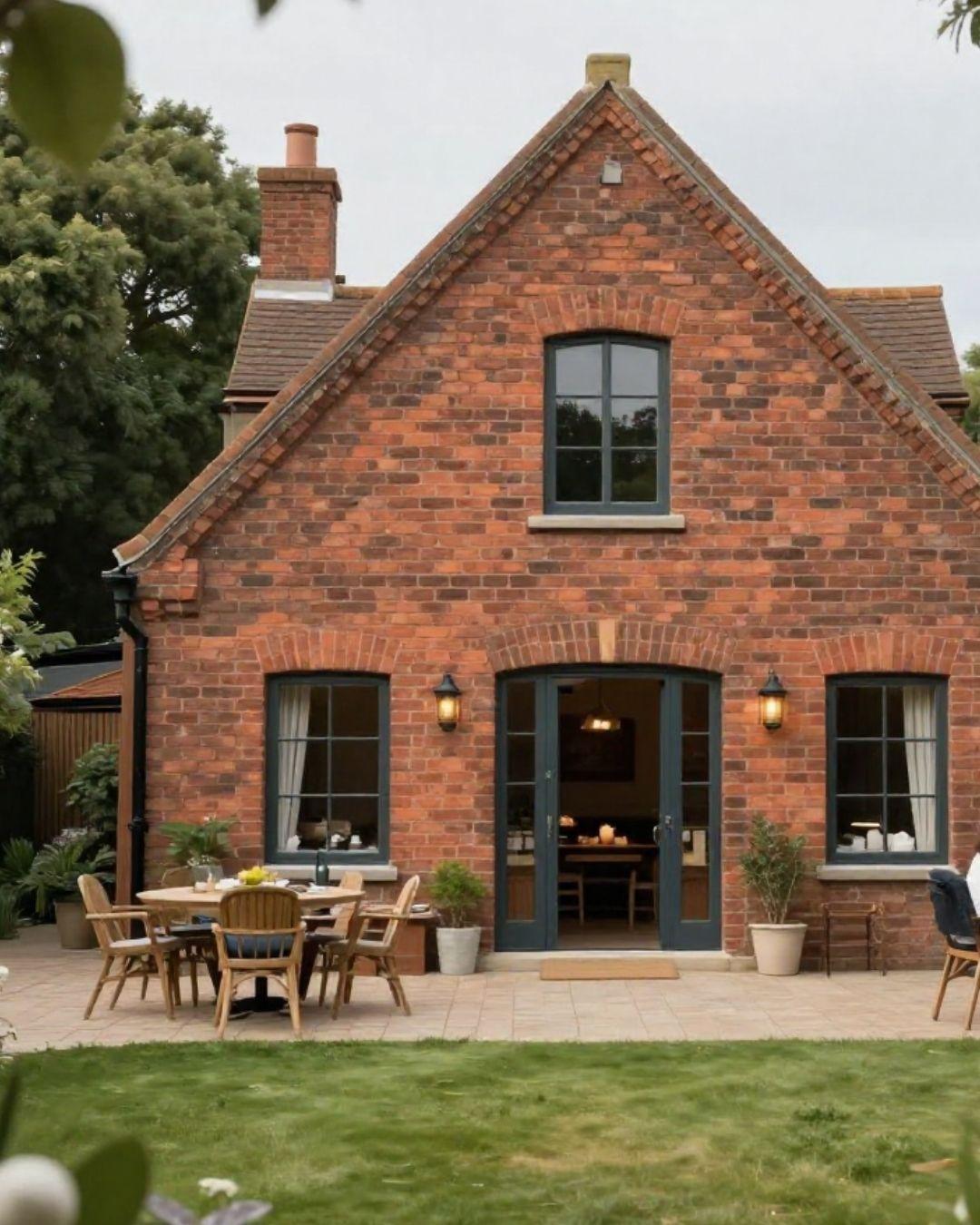
Here’s the line I’ll hold to: if you have sound, attractive natural brick, do not paint it. Painting good brick is one of the most expensive mistakes a UK homeowner can make. It traps moisture against the wall, can worsen damp and frost damage, needs repainting every five to ten years forever, and is extremely difficult and costly to reverse. Estate agents and surveyors often see painted brick as a red flag rather than an upgrade. Unpainted brick that just looks dirty usually needs a careful clean, not a coat of paint.
Beyond that, treat exterior painting as a cost, not an investment, in three situations: when you’re staying put for years and the existing coat is still sound; when you’re tempted to repaint purely because a colour is dated rather than failing; and when you’d be borrowing to do it expecting the house to be “worth more” afterwards. The EPC won’t move, the formal valuation won’t jump, and you’ll have spent money that a survey would have told you to put toward insulation, the roof or damp-proofing instead.
Make the paint last so you only pay once
If you do paint, the lifespan of the job is set by two choices: prep and product. A properly prepared wall painted with a breathable, high-quality masonry paint can hold up for ten to fifteen years. A rushed job in cheap acrylic on a damp or chalky surface can be peeling in three.
On older solid-wall homes especially, breathability matters more than colour. Walls built before the 1920s were designed to let moisture move in and out; sealing them with a cheap, impermeable coat traps water and causes the very damp and blistering you were trying to cover. Match the paint to the wall, paint in a dry spell with a few rain-free days either side, and don’t skip the primer on bare patches.
What to do in the next 30 minutes
• Walk the outside of your house and note where the existing paint is cracking, flaking or letting water in — that’s maintenance, and it’s worth doing.
• Separate genuine protection jobs (render, timber, previously painted walls) from cosmetic ones (sound brick you simply don’t love the look of).
• If you’re selling within a year, price up only the surfaces a buyer sees first: the front elevation, the front door and the woodwork.
• Get three written quotes that each state clearly what’s included — prep, woodwork, scaffold and the specific paint — so you’re comparing the same job.
• Find the date of your last exterior repaint, if you can, and write it down with the paint brand used; it tells you when the next one is genuinely due.
Keeping a simple record of when each part of your home was last decorated stops you repainting too soon — or leaving render exposed too long. You can log decoration dates in Home+ alongside your other maintenance, so the next repaint is a planned cost, not a panic when the render’s already cracked.
Frequently asked questions
How much does it cost to paint the outside of a house in the UK?
In 2026, expect roughly £2,000 to £5,000 for a full exterior repaint of a typical three-bedroom semi, including prep and woodwork. Smaller terraced frontages start around £1,200 to £2,500, while large detached houses with pebbledash and extensive timber can exceed £6,000. Scaffolding and surface repairs are the biggest cost variables.
Does painting the outside of your house add value?
Not in the way most people expect. A fresh exterior rarely produces a pound-for-pound increase in a formal valuation. Where it helps is at sale: clean kerb appeal improves first impressions, photographs and offers. Treat it as maintenance and presentation rather than an investment with a calculable return.
How often should you repaint the exterior of a house?
A well-prepared wall in good-quality breathable masonry paint typically lasts ten to fifteen years; cheaper paint or poor prep can fail in three to five. Timber and woodwork need attention more often, usually every four to six years, because they’re more exposed to weather.
Should I paint my brick house?
Usually not. If the brick is sound and attractive, painting it traps moisture, commits you to repainting every five to ten years, can worsen damp, and is very hard to undo. Dirty brick is almost always better cleaned than painted. Painted brick can even count against you with surveyors and buyers.
Is exterior painting better done by a professional or DIY?
Ground-floor woodwork and small areas are within reach for a confident DIYer. Full elevations, anything needing scaffolding, and older solid-wall homes where breathable paint and prep really matter are usually worth a professional, both for safety and for a finish that lasts long enough to be worth the money.
Authority sources to check before you commit: the Energy Saving Trust (energysavingtrust.org.uk) on where home-improvement money has the biggest impact, and RICS (rics.org) guidance on how property condition and presentation feed into valuation.