You have £20,000 saved and a list of jobs: a loft room, a new kitchen, a better boiler, a driveway. The home improvements that add value UK buyers and valuers actually reward are fewer than the glossy magazines suggest, and the order matters. Spend in the wrong place and you can lose money; spend in the right place and you often get most of it back at sale, with a more comfortable home in the meantime.
Extra bedrooms and usable floor space add the most value, kitchens and bathrooms protect it, and energy upgrades increasingly decide how quickly it sells. Cosmetic extras, such as a hot tub or a feature wall, rarely earn their cost. Below is a ranked list, with rough costs and the catches. All uplift figures are guides, because location, property type and local demand change the answer.
How we ranked them
We looked at three things: how much extra space or desirability each project creates, how much it tends to cost compared with the value it adds, and how much risk there is of overspending. The percentages below are broad rules of thumb from lender and agent research, not promises.
A useful sense check is the “ceiling price” for your street. If similar homes top out at £450,000, spending to make yours a £500,000 house is unlikely to pay back, however good the work. Ask a local agent where that ceiling sits before you start.
1. Loft conversion
Typical cost: £30,000 to £60,000 for a dormer or hip-to-gable conversion. Typical uplift: often quoted at around 20% in strong markets, and less where the street ceiling is low.
Adding a double bedroom and bathroom is usually the strongest value move because it changes the bedroom count. It only counts if it is done properly: Building Regulations approval, a safe staircase, fire doors and escape routes. A buyer’s solicitor will ask for the completion certificate, and a missing one can cost you more than the saving. Our guide to loft conversions and Building Regulations covers what to keep.
2. Extension, especially a kitchen-diner
Typical cost: from £2,000 to £3,000 per m² for a good single-storey extension. Typical uplift: can be significant if it adds a bedroom or turns a cramped kitchen into the main living space, but extensions are the most variable project on this list.
Rear and side-return extensions that create an open-plan family room sell well, particularly in family areas. They also carry the most risk of cost overruns, so get fixed-price quotes and a contingency of 10% to 15%. If you are comparing extension routes, our guide to permitted development rights explains what you can build without full planning permission.
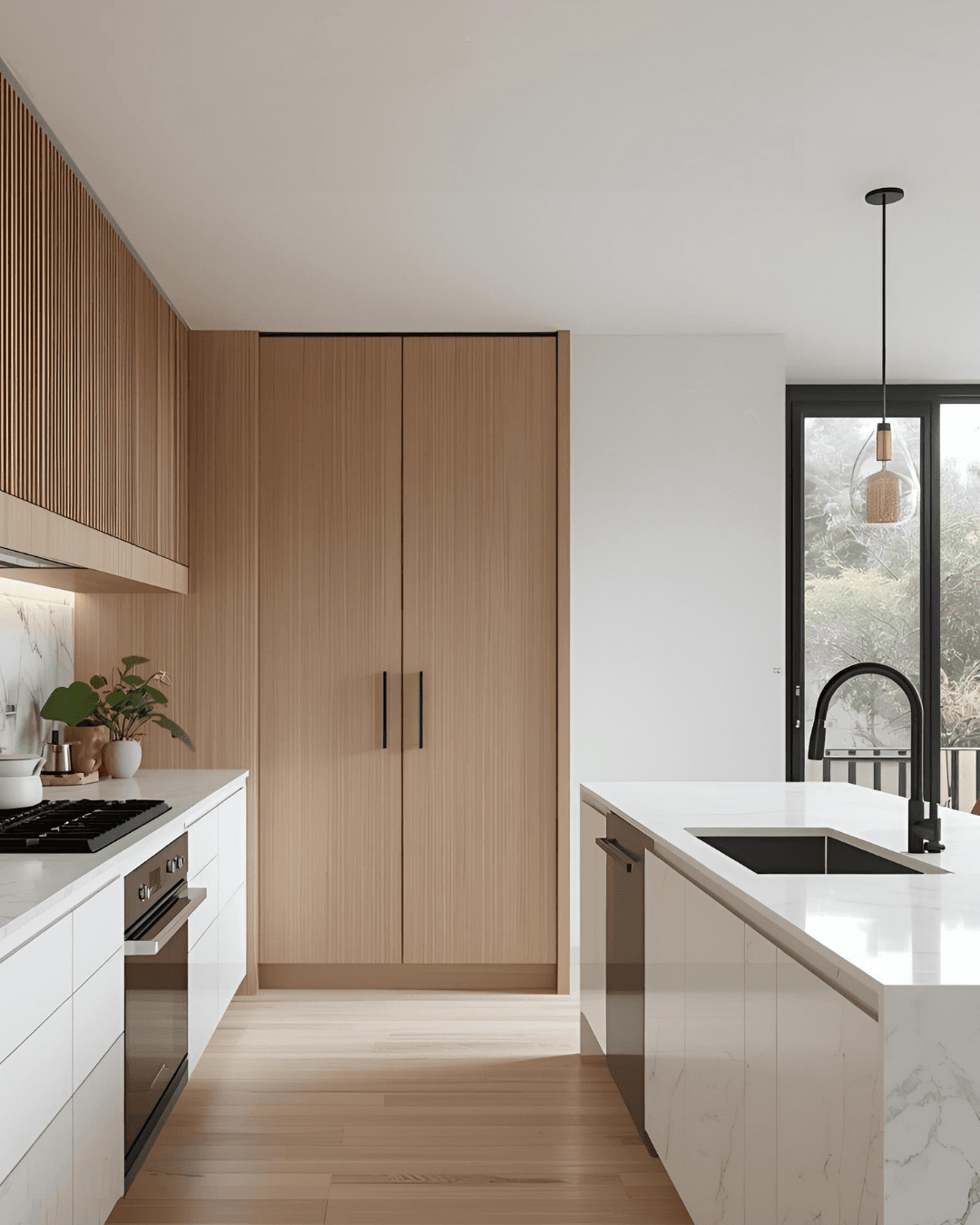
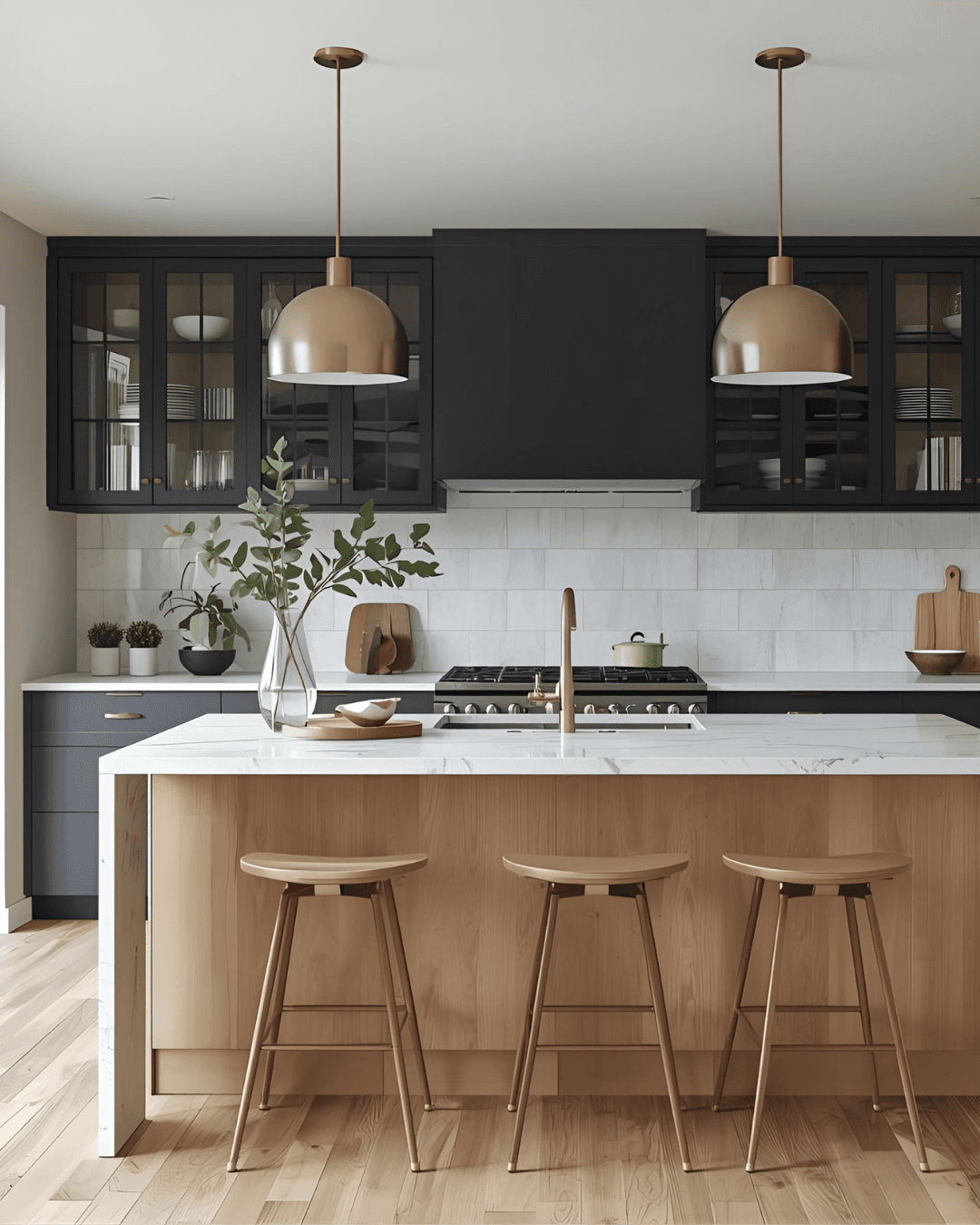
3. A new kitchen
Typical cost: £8,000 to £20,000 for a mid-range refit. Typical uplift: modest in pure percentage terms, but a dated kitchen is one of the biggest reasons buyers knock money off an offer.
The sweet spot is a clean, solid, mid-range kitchen, not a bespoke one. Spend on layout, worktops and good appliances, and avoid trends that date in five years. Buyers value light, storage and a sensible work triangle more than an expensive brand name.
4. Energy efficiency upgrades
Typical cost: from a few hundred pounds for draught-proofing to £10,000 or more for a heat pump after grants. Typical uplift: harder to pin down, but properties with a better EPC rating can attract higher prices and sell more quickly.
Loft insulation, cavity wall insulation where suitable, and a modern boiler or heat pump lower bills straight away, while lenders and buyers are paying more attention to the EPC. Start with the cheap fixes first, such as loft insulation topped up to 270 mm and draught-proofing. Our guide to what lowers your energy bill the most is a good starting list. If you are unsure which improvements your EPC recommends, the certificate lists them in cost order.
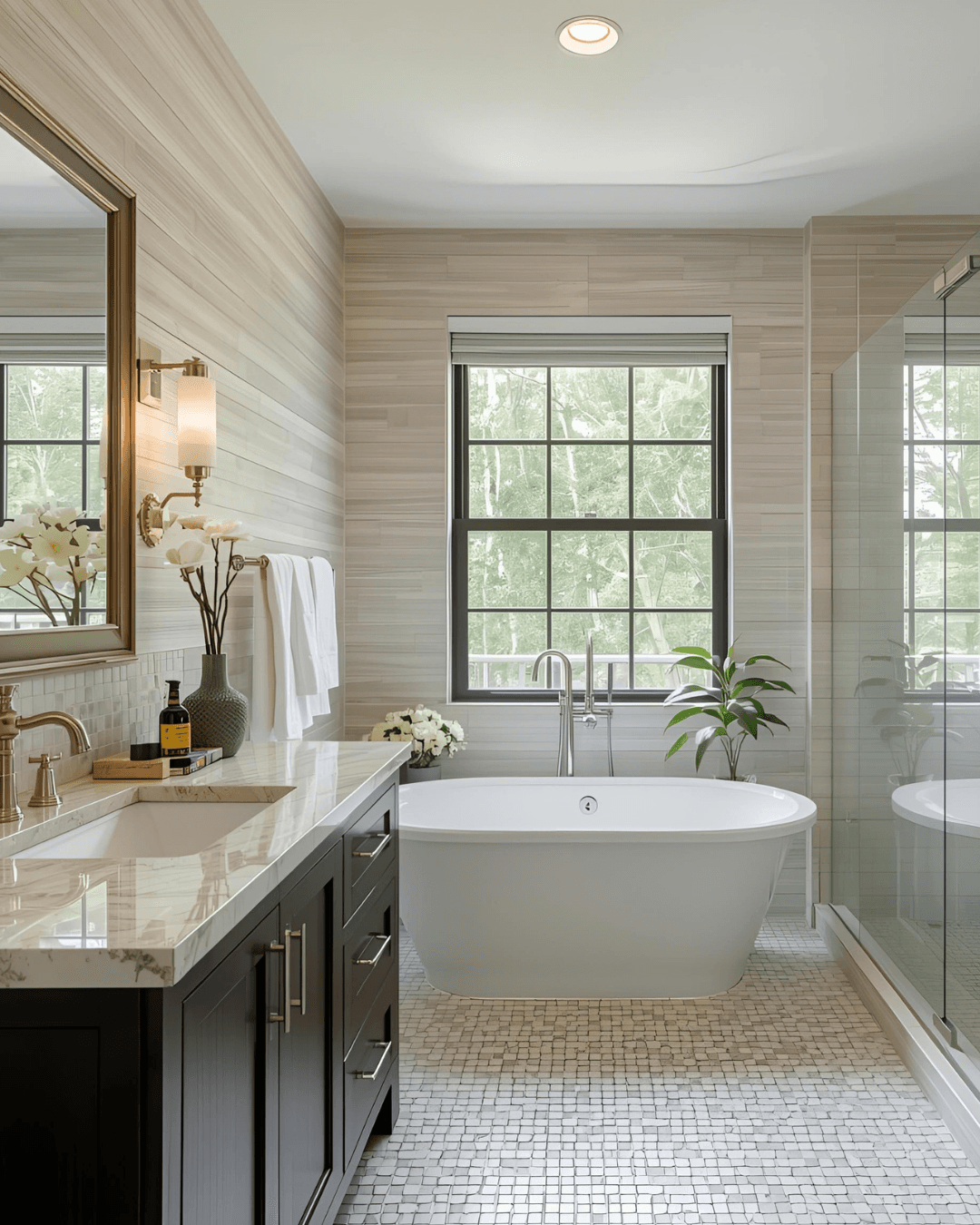
5. New bathroom or an en suite
Typical cost: £4,000 to £10,000 for a full bathroom; £3,000 to £6,000 for an en suite. Typical uplift: good where a house has only one bathroom or where the bathroom is visibly tired.
A second toilet or en suite on a four-bed house is an inexpensive way to appeal to families. A dated, mouldy bathroom is a classic reason buyers walk away, so refresh before you list if yours is tired.
6. Replacing the boiler, and fixing the heating
Typical cost: £2,500 to £4,500 for a gas boiler replacement. Typical uplift: limited directly, but a failing heating system makes survey reports and negotiation harder.
A working, serviced boiler with a Gas Safe certificate is a baseline expectation. Replace one that is past 15 years old if you plan to sell, but do not expect to recover the full cost in price. Keep the service record and the warranty.
7. Windows and doors
Typical cost: £4,000 to £10,000 to replace windows in a typical three-bed house. Typical uplift: mainly through kerb appeal, comfort and fewer survey comments.
Fresh, well-fitted double glazing helps. Check the installer is FENSA registered or that the work has a Building Regulations certificate, because buyers’ solicitors ask for it. Cheap uPVC that looks tired adds little value, and you may do better repairing sound frames.
8. Off-street parking
Typical cost: £2,500 to £8,000 depending on materials and whether a dropped kerb is needed. Typical uplift: high in towns and cities where on-street parking is scarce.
Where parking is difficult, a driveway can be worth more than a new bathroom. You need council permission for a dropped kerb, and permeable surfacing for front gardens, so check with the highways department first.
9. Garden and kerb appeal
Typical cost: from a few hundred pounds to £10,000 for landscaping. Typical uplift: it varies widely, but first impressions matter.
A tidy front, a painted door and a usable, low-maintenance back garden help you sell faster. A full landscaping project rarely returns its cost, so keep it simple.
10. Redecoration and fixing the small things
Typical cost: £500 to £3,000 in materials and labour for a whole house. Typical uplift: a clean, neutral home often sells faster and for closer to asking price.
Small jobs, such as fixing a dripping tap, replacing cracked sealant and repainting in neutral shades, cost little and take defects out of a buyer’s mind. This is the best return on your time per pound spent.
Value versus cost: how to judge a project fairly
Before you commit, do one calculation per project: the cost, divided by the likely uplift, plus a note of how much you will enjoy it. A £15,000 kitchen that adds £10,000 to a sale price has cost you £5,000 in return for years of use, which can be a fair trade if you are staying put. A £40,000 loft conversion that adds £60,000 is a different proposition altogether.
Timing matters too. If you plan to sell within two years, prioritise visible space and defect fixes. If you plan to stay for ten, put comfort, running costs and the energy performance of the house first, because the savings accrue every month. Lenders also value on the basis of comparable sales, so a valuer will look at what similar homes with the same work have fetched nearby, not at what you spent.
A good habit is to get two views before you start: a local agent on what sells, and a mortgage broker on how the work might affect a remortgage valuation. Both conversations are usually free.
What rarely pays back
Swimming pools, hot tubs, garage conversions in areas where parking is tight, over-specified bespoke kitchens and conservatories that are too hot in summer and too cold in winter tend to return less than they cost. Knocking through every wall can also backfire if it removes bedrooms or a dining room families want.
My view: fix the defects before you chase the extras
Spend your first pounds on removing problems a surveyor will flag, such as damp, a tired roof and a failing boiler, before you spend on anything glamorous. A buyer will knock more off the price for a visible defect than they will add for a lovely finish. Do the boring jobs first, keep the paperwork, then decide whether the exciting one is worth it.
The catch is that this is dull advice for a Saturday afternoon. The homeowners who get it right treat it like a Home MOT: fix what is failing, document it, and only then add value.
Paperwork protects the value you build
Value only counts if you can prove the work was done properly. Keep Building Regulations completion certificates, FENSA certificates, Gas Safe and electrical certificates, guarantees and receipts for every improvement. If you cannot show them, the buyer’s solicitor may ask for an indemnity policy, which costs money and delays the sale. Our paperwork guide lists every document to keep.
How to pay for it without overspending
If you need to borrow, compare a further advance, a remortgage and a personal loan over the same term, and be wary of stretching your mortgage for cosmetic work. Our guide to paying for home improvements walks through the options. A mortgage broker can explain whether the work could change your property’s value in a lender’s eyes. Always check you are not borrowing more than the improvement is likely to add.
What to do in the next 30 minutes
Ask a local agent what the top price is for your street and house type.
List every project you are considering with a realistic cost and tick whether it adds a bedroom, space or energy savings.
Check your EPC at gov.uk and note the recommended improvements.
Gather the certificates and guarantees for work already done.
Rank the jobs: defects first, space second, comfort third, extras last.
You can track project costs, certificates and photos against your home in your free Home+ account, so each improvement is documented when it matters.
FAQ
What is the best value-adding improvement for a UK home? Adding a bedroom, typically through a loft conversion or extension, tends to add the most value. The exact return depends on your street, so check local prices first.
Does a new kitchen add value to a house? It protects value more than it adds. A dated kitchen can reduce offers, while a clean, mid-range kitchen helps a house sell. Overspending rarely pays back.
Do solar panels add value to a house? Often a little, and they cut running costs. The effect varies by region and whether panels are owned outright. Check any lease terms and keep the installation certificate.
Do I need planning permission for a loft conversion? Many loft conversions fall under permitted development, but they still need Building Regulations approval. Check with your local council, especially in conservation areas.
What home improvements are not worth it? Swimming pools, hot tubs, over-specified kitchens and conservatories in poor locations rarely return what they cost. Cheap work without certificates can also reduce value.
How much value does a better EPC rating add? Research suggests a better rating can support higher prices and faster sales, but the effect varies. The immediate benefit is lower bills, which also helps your buyer’s affordability.