Understanding Your Home Heating System: A Complete Guide for Homeowners
Your heating system is the heart of your home during the colder months, yet many homeowners in Surrey and Sussex find themselves uncertain about how it actually works. Understanding your heating system empowers you to spot problems early, maintain it effectively, and make informed decisions about repairs or upgrades. This comprehensive guide walks you through everything you need to know about keeping your home warm, comfortable, and energy-efficient.
Whether you live in a Victorian terrace in the Surrey Hills or a modern family home on the Sussex coast, the principles of home heating remain consistent. However, the age of your property, its construction materials, and your local climate all influence how your heating performs and what maintenance it needs. Properties in our region face particular challenges, from the damp conditions near the coast to the exposed positions of homes on the South Downs, making heating system knowledge especially valuable.
How Your Central Heating System Works

Central heating might seem complex, but the basic principle is straightforward. Your boiler heats water, which then circulates through pipes to radiators throughout your home. As the hot water flows through each radiator, heat transfers into the room, and the cooled water returns to the boiler to be reheated. This continuous cycle keeps your home at a comfortable temperature.
Most homes in Surrey and Sussex use gas-fired combi boilers, which have become the standard installation over the past two decades. A combi boiler provides both heating and hot water on demand, eliminating the need for separate water tanks or cylinders. When you turn on a hot tap, the boiler instantly heats cold mains water as it passes through. This makes combis particularly popular in smaller properties where space is at a premium.
Older properties often retain conventional or system boilers, which work slightly differently. These systems include a hot water cylinder, usually found in an airing cupboard, which stores pre-heated water for domestic use. While less common in new installations, these systems suit larger homes with multiple bathrooms where hot water demand is high.
The circulation of water through your heating system relies on a pump, typically located inside or near the boiler. This pump pushes water through the network of pipes and radiators at sufficient pressure to ensure even heat distribution. If rooms furthest from your boiler feel consistently cooler, this could indicate pump issues or poor system balance.
Types of Boilers and Heating Systems
Understanding what type of heating system you have helps you maintain it properly and communicate effectively with professionals when needed.
Combi Boilers
Combination boilers remain the most popular choice for UK homes, installed in approximately half of all properties. They heat water directly from the mains when you need it, meaning no storage tanks and no waiting for hot water to heat up. Combis work best in small to medium-sized homes with one or two bathrooms. Their compact size makes them ideal for properties where space matters.
System Boilers
System boilers require a hot water cylinder but not a cold water tank in the loft. They can supply multiple bathrooms simultaneously without significant pressure drops, making them suitable for larger families. The stored hot water ensures consistent supply during peak demand times.
Conventional Boilers
Also called regular or heat-only boilers, conventional systems use both a cold water tank, usually in the loft, and a hot water cylinder. Many older Surrey and Sussex homes still have these systems, particularly period properties built before the 1980s. While considered less efficient than modern alternatives, a well-maintained conventional system can serve reliably for decades.
Heat Pumps
Increasingly common in our region, heat pumps extract warmth from the air or ground outside your home and concentrate it for heating. Air source heat pumps are more practical for most properties, while ground source systems require significant outdoor space for buried pipes. Many homeowners in rural Sussex and Surrey are exploring heat pumps as part of their journey toward lower carbon footprints.
Understanding Your Radiators
Radiators are the most visible part of your heating system, and understanding them helps you maintain comfortable temperatures throughout your home.
Despite their name, radiators actually emit most of their heat through convection rather than radiation. Cool air enters at the bottom, warms as it passes over the hot metal fins, and rises into the room. This creates a gentle circulation that gradually heats your living spaces.
Each radiator typically has two valves. The manual valve, usually on one end, controls water flow and effectively turns that radiator on or off. The other valve, called a lockshield valve, is used during installation to balance the system. It has a plastic cap covering it and should generally be left alone unless a professional is adjusting your system.
Thermostatic radiator valves, known as TRVs, replace manual valves on most modern systems. These clever devices sense the room temperature and automatically adjust water flow to maintain your desired warmth. Setting your TRVs correctly prevents overheating individual rooms and reduces energy waste.
Common Radiator Problems and Solutions
| Problem | Likely Cause | DIY Solution |
|---------|--------------|--------------|
| Cold at the top | Trapped air | Bleed the radiator |
| Cold at the bottom | Sludge build-up | May need power flush |
| Completely cold | Valve closed or stuck | Check and adjust valve |
| Cold spots in middle | Internal corrosion | Professional assessment needed |
Bleeding your radiators is a simple maintenance task every homeowner should know. When air becomes trapped in the system, it collects at the highest points, typically the top of upstairs radiators. Using a radiator key, you open the small bleed valve until water begins to escape, then close it quickly. This releases trapped air and restores proper circulation.
Heating Controls and Thermostats
Your heating controls form the brain of your system, determining when and how your home is heated. Understanding these controls helps you optimise comfort while minimising energy use.
Room Thermostats
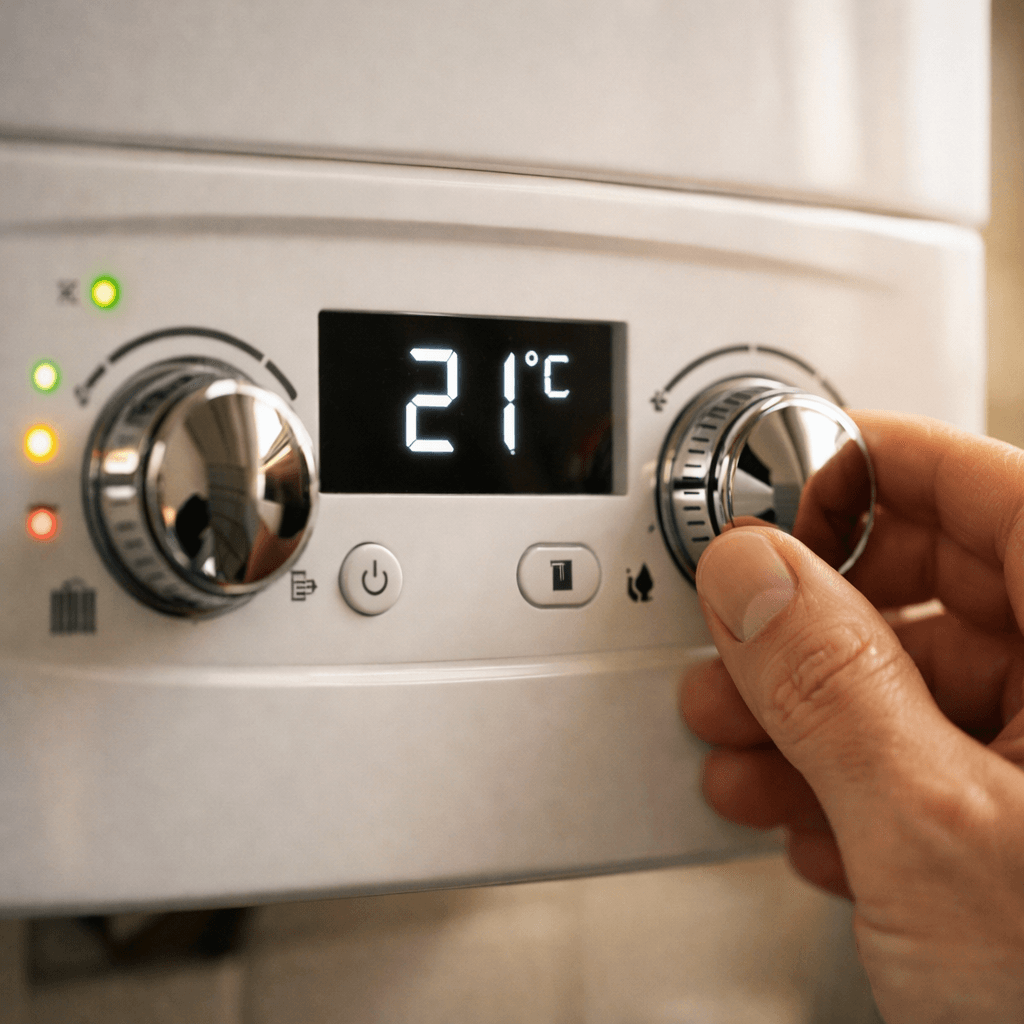
A room thermostat monitors the temperature in one location, usually a hallway, and signals the boiler to fire or stop accordingly. When the measured temperature drops below your setting, the thermostat calls for heat. Once the room reaches the desired temperature, it tells the boiler to stop.
Positioning matters significantly. A thermostat in a cold hallway might overheate other rooms, while one near a heat source might leave you shivering. Most homes benefit from placing the thermostat in the main living area, away from radiators, direct sunlight, and draughts.
Programmable Controls
Timer controls allow you to set heating schedules that match your lifestyle. Programming your heating to come on before you wake and switch off after you leave for work, then resume before you return home, maximises comfort while minimising waste.
Modern smart thermostats take this further, learning your patterns and adjusting automatically. Some detect when you leave home via your smartphone location, reducing heating until you return. Others integrate with weather forecasts, anticipating cold spells and adjusting accordingly.
Cylinder Thermostats
If you have a hot water cylinder, it should have its own thermostat, typically set between 60 and 65 degrees Celsius. This temperature kills harmful bacteria while avoiding scalding risks at the tap. Never set it lower than 60 degrees, as this creates conditions where legionella bacteria can multiply.
Seasonal Maintenance for Your Heating System

Proper seasonal care extends your heating system's life and prevents costly breakdowns during the coldest months. The maritime climate of Surrey and Sussex means our heating systems work hard, often running from October through to April.
Autumn Preparation
Before the heating season begins in earnest, take time to prepare your system. Turn your heating on for a test run during a mild autumn day, when any problems will cause inconvenience rather than crisis. Check each radiator heats up properly, listen for unusual sounds from the boiler, and verify your thermostat responds correctly.
This is also the ideal time to bleed radiators. Air accumulates in systems over summer when they sit idle. Working through each radiator systematically, starting from the ground floor and working upwards, ensures optimal circulation before winter arrives.
Check your boiler pressure using the gauge on the front panel. Most systems operate best between 1 and 1.5 bar when cold. If pressure has dropped significantly, you may need to repressurise the system using the filling loop, a process explained in your boiler manual.
Winter Monitoring
During the heating season, stay alert to changes in system performance. Cold spots on radiators, strange noises, or fluctuating pressure all warrant attention. Catching problems early often means simpler, cheaper solutions.
If you plan to be away during cold weather, never leave your heating completely off. Frozen pipes can burst, causing extensive water damage. Set your thermostat to at least 12 degrees Celsius, or use frost protection if your system offers it.
Spring Shutdown
As warmer weather arrives, give your system a final check before its summer rest. Run the heating briefly each month to keep the pump moving and prevent seizure. This simple habit prevents common problems when autumn returns.
Energy Efficiency and Cost Saving Tips
With energy costs a significant household expense, optimising your heating system efficiency makes both environmental and financial sense.
Optimise Your Thermostat Setting
Every degree you reduce your thermostat saves approximately three percent on your heating bill. Most people find 18 to 21 degrees Celsius comfortable. Experiment to find the lowest setting that feels comfortable for your household.
Use TRVs to reduce temperatures in less-used rooms. Bedrooms often need less heating than living areas, particularly at night. Setting spare room radiators to low or frost protection only prevents waste while keeping pipes safe.
Improve Heat Retention
Your heating system can only be as efficient as your home allows. Draughty homes lose heat rapidly, forcing boilers to work harder.
Simple draught-proofing around windows, doors, and letterboxes makes a noticeable difference. Many older properties in our region have original sash windows that benefit from draught-proofing strips. Chimney balloons or caps prevent warm air escaping up unused flues.
Ensuring adequate loft insulation is one of the most cost-effective improvements homeowners can make. The recommended depth is now 270mm of mineral wool or equivalent. Many Surrey and Sussex homes still have insufficient insulation, often because it was installed decades ago to lower standards.
System Efficiency Improvements
Fitting a magnetic filter to your heating system traps the iron oxide sludge that naturally accumulates in radiators and pipes. This protects your boiler from damage and maintains efficient heat transfer. Filters require occasional cleaning but significantly extend system life.
Power flushing removes existing sludge and scale from heavily contaminated systems. This procedure involves pumping cleaning chemicals through the pipework at high velocity. While not a DIY task, it can restore efficiency to systems that have degraded over many years.
Estimated Annual Heating Costs
| Property Type | Average Annual Cost | Potential Savings |
|---------------|--------------------|--------------------|
| Terraced house | £800 to £1,200 | Up to 25% with improvements |
| Semi-detached | £1,000 to £1,500 | Up to 30% with improvements |
| Detached house | £1,400 to £2,200 | Up to 35% with improvements |
When to Call a Professional
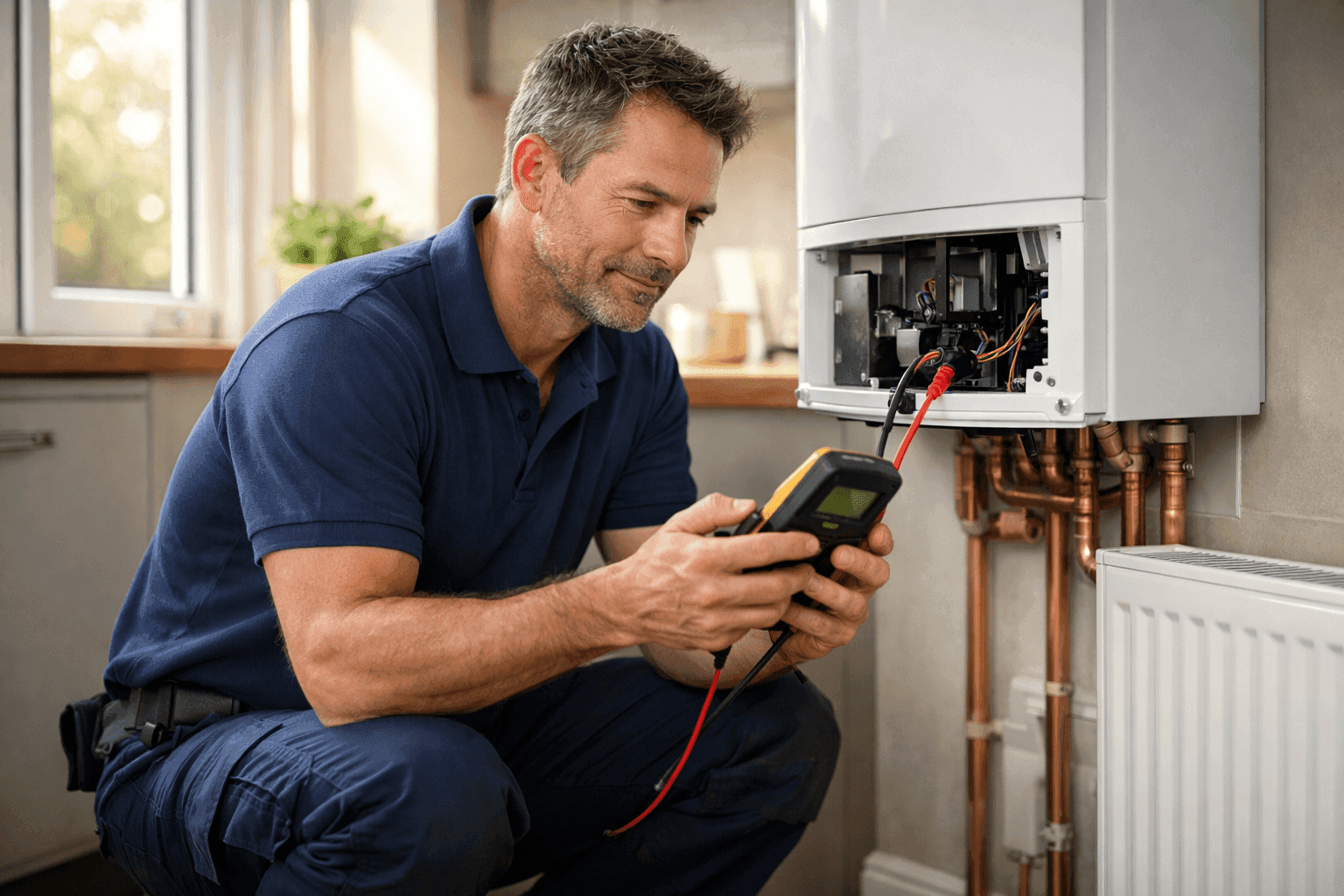
While many heating maintenance tasks are straightforward DIY projects, some situations require qualified professionals. Gas work, in particular, must legally be carried out by Gas Safe registered engineers.
Always Call a Professional For:
- Any work involving gas connections or components
- Boiler repairs or servicing
- Persistent pressure problems you cannot resolve
- Radiators that remain cold despite bleeding
- Strange smells, especially gas or burning
- Water leaks from the boiler or system
- Annual boiler servicing, which is essential for warranty validity
Warning Signs Requiring Immediate Attention
Never ignore the smell of gas. If you detect it, open windows, avoid naked flames or electrical switches, and call the National Gas Emergency Service immediately on 0800 111 999. Leave the property if the smell is strong.
Black marks or staining around your boiler can indicate incomplete combustion, which produces dangerous carbon monoxide. Similarly, a yellow or orange boiler flame, rather than blue, suggests combustion problems. These situations require urgent professional assessment.
Carbon monoxide is colourless and odourless, making detectors essential. Install at least one carbon monoxide alarm near your boiler and another on each floor of your home. Test them monthly and replace batteries annually.
Frequently Asked Questions
How often should I have my boiler serviced?
Annual servicing is recommended for all boilers, typically carried out before the heating season begins. Regular servicing maintains efficiency, extends boiler life, and often represents a warranty requirement. A qualified engineer checks combustion, gas pressure, seals, and general condition during each service.
Why is my boiler losing pressure?
Gradual pressure loss usually indicates a small leak somewhere in the system, often at radiator valves or pipe joints. Rapid pressure loss suggests a more significant problem. You can repressurise the system yourself using the filling loop, but if pressure drops repeatedly, seek professional diagnosis.
What temperature should my thermostat be set to?
Most households find 18 to 21 degrees Celsius comfortable during waking hours. Setting your thermostat to the lowest comfortable temperature saves energy and money. Overnight or when away, reducing to 15 to 16 degrees maintains comfort while reducing costs.
How long should a boiler last?
A well-maintained boiler typically lasts 10 to 15 years, with some continuing reliably for longer. Efficiency declines with age, so replacing an older boiler, even one still functioning, often makes economic sense. Modern condensing boilers achieve efficiency ratings above 90 percent compared to 60 to 70 percent for older models.
Should I turn my heating off when I go out?
For absences of a few hours, leaving heating running at a reduced temperature is usually more efficient than letting the house cool completely, then reheating. For longer absences, using timer controls to maintain frost protection while reducing heating during unoccupied periods balances efficiency with safety.
Why are some rooms colder than others?
Uneven heating typically results from poor system balance, where water flows more readily to some radiators than others. Thermostatic valves help by reducing flow to already-warm rooms, sending more water to cooler areas. Persistent problems may require professional rebalancing of the lockshield valves.
What causes gurgling sounds in my radiators?
Gurgling usually indicates trapped air, which is solved by bleeding the affected radiators. Persistent noise despite bleeding may suggest pump issues or circulation problems that need professional assessment.
Caring for Your Home Through the Seasons
Understanding your heating system transforms you from a passive occupant into an active home carer. The knowledge to spot problems early, maintain your system effectively, and make informed decisions about repairs and upgrades saves money and prevents the stress of unexpected breakdowns during cold weather.
For homeowners across Surrey and Sussex, where winter temperatures regularly drop near freezing and older properties present unique heating challenges, this understanding proves particularly valuable. The combination of historic building stock and modern efficiency expectations requires thoughtful approaches to home heating.
Regular maintenance, seasonal checks, and prompt attention to emerging problems keep your heating system running efficiently for years. Most importantly, understanding how your system works empowers you to communicate effectively with professionals when you need them, ensuring you receive appropriate advice and fair pricing.
Need help keeping your home comfortable and well-maintained? Home+ connects you with trusted local professionals for those times when expert hands are needed, while providing the knowledge and resources to care for your property confidently every day.
Top Tip:
This guide was researched and structured with AI assistance and reviewed for accuracy by our editorial team.