Preparing Your Home for the Summer Holiday Season: A Complete Guide for South East Homeowners
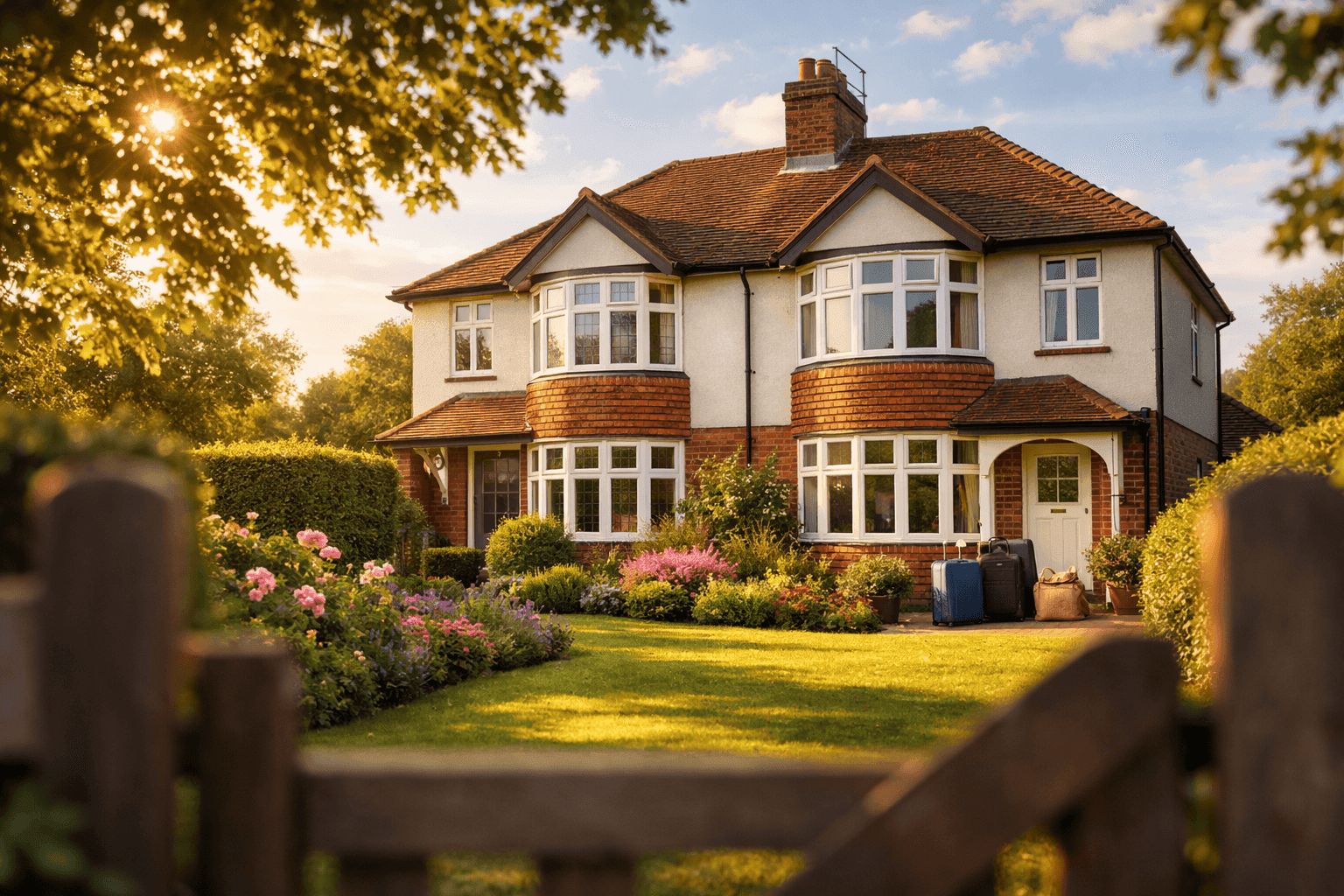
The summer holiday season is upon us, and if you are like many homeowners in South East England, you are probably looking forward to escaping for a well-deserved break. Whether you are heading to the coast, exploring Europe, or jetting off further afield, there is nothing quite like the excitement of a summer getaway. But before you pack your bags and head out the door, taking some time to properly prepare your home can make all the difference between a relaxing holiday and returning to unexpected problems.
South East England presents its own unique considerations when it comes to leaving your home unattended during the summer months. Our region experiences some of the highest temperatures in the UK, occasional summer storms, and unfortunately, sees increased opportunistic burglary rates during the peak holiday season. The good news is that with proper preparation, you can enjoy your time away knowing your home is secure, efficient, and ready to welcome you back.
This comprehensive guide walks you through everything you need to consider before leaving your home for the holiday season, from essential security measures to plumbing considerations and energy management. Let us help you leave with peace of mind.
Understanding Summer Risks for South East Properties

Before diving into your preparation checklist, it helps to understand why summer presents specific challenges for properties in the South East. Our region typically sees the warmest and driest conditions in the UK, which can impact your home in several ways.
Extended periods of heat can cause soil shrinkage, particularly problematic for homes built on clay-rich ground common throughout Surrey, Kent, and parts of Essex. This movement can affect foundations and sometimes leads to minor cracks appearing in walls. While this is not something you can prevent during a two-week holiday, being aware of it helps you spot any changes when you return.
Summer storms in the South East, though less frequent than in other seasons, can be particularly intense when they do occur. Heavy rainfall after dry spells can overwhelm gutters blocked with summer debris, and strong winds can dislodge loose tiles or damage garden structures. Checking these elements before you leave reduces the risk of water ingress while you are away.
The extended daylight hours of summer also mean your home sits in sunlight for longer periods. South-facing rooms can reach surprisingly high temperatures, which can affect everything from wooden furniture to perishable items you might have forgotten about.
Understanding these regional factors helps you prioritise your preparation tasks and focus on what matters most for your specific property.
Essential Security Measures Before You Leave
Home security should be at the top of your preparation list. Statistics consistently show that burglary rates increase during the summer holiday period, with thieves targeting homes that show obvious signs of being unoccupied. Fortunately, most security measures are straightforward and cost nothing beyond your time.
Start by thinking about how your home appears from the outside. An overflowing letterbox, uncollected parcels, or newspapers piling up on the doorstep all signal that nobody is home. Ask a trusted neighbour to collect your post, or consider using Royal Mail's Keepsafe service, which holds your mail at the sorting office for up to 100 days. Cancel any newspaper deliveries and pause any subscription box services that might arrive while you are away.
Lighting plays a crucial role in deterring opportunistic burglars. Rather than leaving a single lamp on constantly, which actually looks suspicious, invest in a few timer switches. Set different lights to come on at varying times throughout the evening, mimicking natural occupancy patterns. You can pick up basic timer switches for just a few pounds from any hardware shop, and they plug straight into your existing sockets.
Check all entry points methodically before you leave. This means not just the obvious front and back doors, but also side gates, garage doors, shed locks, and ground-floor windows. Many older properties in the South East have original sash windows that can be vulnerable, so ensure window locks are engaged and functioning. If you have a cat flap, consider whether it could provide access to door handles or keys left nearby.
Garden security is often overlooked but important. Lock away ladders, tools, and anything that could be used to gain entry. Secure bicycles and valuable garden equipment in a locked shed or garage. If you have a greenhouse or outbuilding containing expensive items, ensure these are properly secured too.
Consider asking a neighbour to park on your driveway occasionally, vary your curtain positions, or even mow your lawn if you are away for an extended period. These small gestures can make a significant difference in making your home appear occupied.
For those with smart home systems, remote monitoring can provide additional peace of mind. However, resist the urge to broadcast your absence on social media until after you return, no matter how exciting your holiday destination might be.
Water and Plumbing Considerations
Water damage is one of the most common and costly problems homeowners face, and a leak that occurs while you are away can cause extensive damage before anyone notices. Taking a few precautions with your plumbing system can prevent a holiday disaster.
The most effective single action you can take is turning off your water supply at the stopcock. Most properties in the South East have the internal stopcock located under the kitchen sink, though in some older homes it might be in a downstairs cupboard or under the stairs. Make sure you know where yours is and that it actually works, as stopcocks can seize up if not turned regularly. Turn it clockwise to close and check that water stops flowing from your taps.
If you are uncomfortable turning off the water entirely, particularly if you have someone checking on your home who might need it, at least turn off the water supply to your washing machine. These flexible hoses are a common source of leaks and can release a significant amount of water if they fail.
For those with combi boilers, common in South East properties, you can usually leave the heating system off entirely during summer. If you have a conventional system with a cold water tank in the loft, turning off the water at the stopcock is particularly important, as a tank overflow can cause significant damage.
Check under all sinks and around your toilet bases for any signs of existing dampness or slow leaks. A minor drip you have been ignoring could become a major problem over a two-week absence. Look for water stains, musty smells, or any soft spots in flooring.
Your outside taps deserve attention too. Ensure they are turned off and not dripping, and check that any garden hoses are disconnected and stored away. While freezing is not a concern in summer, a dripping outside tap can waste significant water and money.
If you have a water softener, check the manufacturer's guidance on leaving it during extended absences. Some need to be put into a specific mode, while others benefit from being bypassed entirely.
Managing Your Heating and Hot Water Systems
Even in summer, your heating system needs some consideration before you leave. Modern condensing boilers, standard in most South East properties, are designed to handle periods of inactivity, but a few simple checks ensure everything runs smoothly when you return.
If you have a combi boiler, you can safely turn it off at the boiler controls or put it into summer mode, which typically disables the heating while keeping hot water available. Since you will not need hot water while away, turning the system off entirely saves energy and removes any risk of issues.
For properties with conventional heating systems, including a hot water cylinder, turn off the immersion heater if you have one. There is no point heating water that nobody will use, and immersion heaters can be expensive to run continuously.
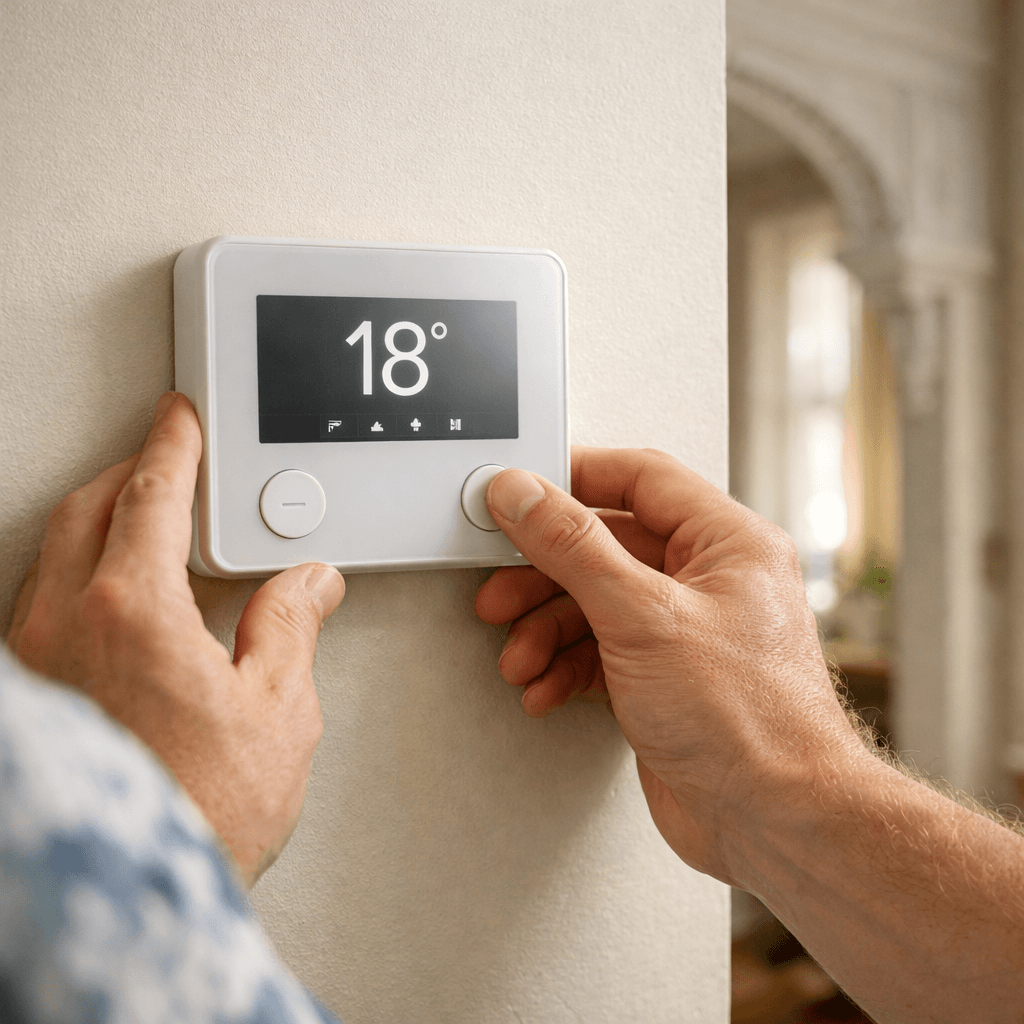
Your thermostat should be set to a low setting or turned off entirely. Unlike winter, when you might leave low-level heating on to prevent freezing, summer temperatures in the South East mean this is not necessary. However, if you have a programmable thermostat, consider setting it to come on briefly in the last day or two before your return, ensuring you come home to a comfortable temperature if needed.
If your home has underfloor heating, which is increasingly common in newer South East properties and extensions, make sure it is turned off at the manifold or controller. These systems can safely sit dormant for extended periods.
Take a moment to bleed any radiators that have been problematic before you leave. Air trapped in the system can cause cold spots and reduced efficiency, and dealing with this before your holiday means one less task when you return.
Electrical Safety and Energy Efficiency
Managing your electrical systems before a holiday serves two purposes: safety and cost savings. An unoccupied home still consumes energy from devices left on standby, and some electrical items pose a small fire risk if left running for extended periods.
Walk through each room and unplug non-essential electrical items. This includes televisions, games consoles, phone chargers, and small kitchen appliances. Anything with a standby light is consuming energy, and while individual items might only draw a few watts, the cumulative effect adds up. The exceptions are items you need to keep running, such as your fridge freezer, security systems, and any aquariums or pet-care equipment.
Speaking of your fridge freezer, this is one appliance you will typically want to leave running, unless you are away for an extended period. If you are gone for more than a few weeks, consider emptying, defrosting, and turning off the fridge freezer, leaving the doors slightly ajar to prevent mould growth. For shorter trips, reduce the contents as much as possible, check the door seals are clean and functioning, and ensure the temperature settings are correct.
Unplug your router and any computer equipment. Beyond the energy savings, this removes any risk from power surges during summer storms. If you need to leave your router on for smart home devices, ensure your electrical system has adequate surge protection.
Check your consumer unit, often still called the fuse box, to familiarise yourself with the main switch and individual circuits. If you wanted to isolate specific circuits while maintaining others, such as keeping the fridge circuit live while turning off others, understanding your consumer unit layout makes this possible. However, if you are unsure about working with your electrical panel, it is perfectly fine to simply leave things as they are.
Consider your home's natural lighting and temperature management. Close curtains and blinds in south-facing rooms to reduce heat build-up, which can fade furniture and create uncomfortably hot conditions. However, leaving every curtain closed can signal an empty property, so vary things naturally, perhaps leaving some rooms with curtains partially open.
Garden and External Areas

Your garden and external areas need preparation too, both for their own health during your absence and to maintain that lived-in appearance that deters intruders.
Mow your lawn and trim edges before you leave. Overgrown grass is an obvious sign of absence and can be difficult to recover if left too long during peak summer growing season. If you are away for more than a week or two, consider asking a neighbour to cut the grass, or look into garden maintenance services that offer one-off visits.
Water your garden thoroughly the day before you leave, especially any container plants, which dry out quickly in summer heat. Move containers to a shadier spot if possible, and group them together to create a more humid microclimate. Self-watering systems, ranging from simple terracotta watering spikes to more sophisticated drip irrigation, can help plants survive your absence. These are relatively inexpensive and available from garden centres throughout the region.
Harvest any ripe vegetables or fruit from your garden. Leaving produce to over-ripen can attract pests and lead to disease in your plants. Give any surplus to neighbours, who might then be more inclined to keep an eye on your property.
Check fences, gates, and garden structures for any damage that could worsen during your absence. A loose fence panel might not seem urgent, but a summer storm could bring it down entirely. Secure or store away anything that could blow around in high winds, including garden furniture, parasols, trampolines, and children's play equipment.
If you have a pond, ensure pumps and filters are clean and functioning. Fish can survive for several weeks without feeding, contrary to popular belief, and overfeeding before you leave can actually harm water quality. Check that any automatic feeders are working correctly if you choose to use them.
Empty and store wheelie bins in a secure location, as overflowing bins signal absence and can attract pests in warm weather. Make arrangements for bin collection if it falls during your holiday, as bins left out for days are another sign of an empty property.
Preparing the Interior of Your Home
The interior of your home deserves systematic attention before you lock up and leave. Start with the kitchen, as this room holds the most potential for problems during your absence.
Empty your refrigerator of any perishable items, particularly dairy products, meat, and salad items that can spoil and create unpleasant odours. Check use-by dates on everything and be realistic about what will still be usable when you return. Empty fruit bowls and check cupboards for any fresh food that might attract pests.
Run your dishwasher and leave it empty with the door slightly ajar to prevent musty smells developing. Similarly, run your washing machine empty on a hot cycle to clear any residue, and leave the door and detergent drawer open. Clean out your kitchen bin thoroughly and take it outside to the wheelie bin before that too is emptied and stored.
In bathrooms, clean toilets, sinks, and showers to prevent any build-up of mould during your absence. Leave toilet lids down but bathroom doors open to allow air circulation. Pour a small amount of water down rarely-used drains to prevent the water in the U-bend from evaporating, which can allow sewer gases to enter your home.
Strip beds and run bedding through the wash before you leave, so you return to a fresh home rather than sheets that have been sitting in summer heat. Leave wardrobe doors open to allow air circulation and prevent musty smells in enclosed spaces.
Do a final walk-through of every room, checking windows are closed and locked, electrical items are unplugged where appropriate, and nothing has been left that could cause problems. Check under beds and in wardrobes for anything that might have been overlooked.
Creating a Pre-Departure Checklist
With so many things to consider, a written checklist ensures nothing gets missed in the excitement of departure day. Here is a comprehensive list you can adapt for your own property:
Security Tasks
| Task | Location | Completed |
|------|----------|-----------|
| Check all window locks | Throughout house | |
| Secure all external doors | Front, back, side | |
| Lock garden gates and sheds | Garden | |
| Set up timer switches for lights | Living areas | |
| Arrange post collection | With neighbour | |
| Secure valuables | Throughout | |
Water and Plumbing
| Task | Location | Completed |
|------|----------|-----------|
| Turn off stopcock | Usually under kitchen sink | |
| Turn off washing machine water supply | Utility or kitchen | |
| Check for any existing leaks | Under sinks, toilets | |
| Turn off outside taps | Garden | |
Heating and Electrical
| Task | Location | Completed |
|------|----------|-----------|
| Turn off or adjust boiler | Utility or kitchen | |
| Unplug non-essential items | Throughout | |
| Set thermostat to low or off | Hallway | |
| Check consumer unit accessible | Usually under stairs | |
Kitchen Tasks
| Task | Location | Completed |
|------|----------|-----------|
| Empty and clean fridge | Kitchen | |
| Dispose of perishables | Kitchen | |
| Run dishwasher and leave ajar | Kitchen | |
| Empty and clean bins | Kitchen | |
Garden and External
| Task | Location | Completed |
|------|----------|-----------|
| Mow lawn | Garden | |
| Water plants thoroughly | Garden | |
| Secure garden furniture | Garden | |
| Store wheelie bins | Side access | |
What to Do When You Return
Planning for your return is just as important as preparing to leave. Arriving home tired from travelling to find problems can dampen post-holiday spirits, so build in some recovery time.
Turn your water supply back on slowly and check around the house for any signs of leaks before resuming normal use. Listen for any running water when all taps are closed, which could indicate a hidden leak. Check under sinks and around toilets for any dampness.
Reset your boiler and heating controls to your normal settings. If your boiler fails to fire up after being off for an extended period, give it a few minutes and try again before assuming there is a problem.
Walk through each room checking for any signs of problems during your absence. Look for water stains on ceilings, unusual smells, or anything out of place. Check your loft space if accessible for any signs of water ingress or pest activity.
Open windows to air out your home, particularly in bathrooms and kitchens where humidity can build up in closed spaces. This also helps disperse any stuffy smells that develop in unoccupied properties.
Check your garden for any storm damage, plant losses, or pest problems that developed during your absence. Water everything thoroughly if rainfall has been limited.
Frequently Asked Questions
Should I tell my neighbours I am going on holiday?
Trusted neighbours can be incredibly helpful, collecting post, parking on your drive, and keeping an eye on your property. However, be selective about who you tell and avoid broadcasting your absence widely. Casual mentions to acquaintances or tradespeople working nearby should be avoided.
Is it worth turning off the water supply for just a week?
Yes, even a week is long enough for a small leak to cause significant damage. The few seconds it takes to turn off the stopcock is worthwhile insurance against potential problems.
What should I do if I have pets being cared for at home?
If someone is coming in daily to care for pets, adjust your preparations accordingly. Leave the water on but still check for leaks before you go. Provide your pet sitter with emergency contact numbers and details of how to turn off water or electricity if needed.
Should I leave any heating on during summer?
In the South East during summer, heating is unnecessary. Unlike winter when low-level heating prevents freezing, summer temperatures mean your home will remain at a comfortable ambient temperature.
How can I water my garden if I am away for several weeks?
For extended absences, consider installing a simple drip irrigation system connected to a timer. These can be set up relatively cheaply and will keep your garden alive during your absence. Alternatively, ask a neighbour to water in exchange for the same favour when they are away.
What should I do if I return to find a problem?
If you discover a leak, burst pipe, or other emergency on your return, turn off the water supply immediately and contact your home insurance provider. Document any damage with photographs before making temporary repairs.
Enjoy Your Holiday with Peace of Mind
Preparing your home for the summer holiday season might seem like a lengthy process, but most tasks take just a few minutes each. By working through a systematic checklist in the days before departure, you can leave with genuine peace of mind, knowing your home is secure, protected, and ready for your return.
The effort you put in before leaving pays dividends in the quality of your holiday experience. Rather than worrying about whether you locked the back door or turned off the iron, you can relax and enjoy your time away.
Need help maintaining your home or addressing any concerns before your holiday? Home+ connects homeowners across South East England with trusted local professionals for everything from security assessments to plumbing checks. Our platform makes it easy to find reliable help when you need it, so you can focus on enjoying your summer break.
Top Tip:
This guide was researched and structured with AI assistance and reviewed for accuracy by our editorial team.