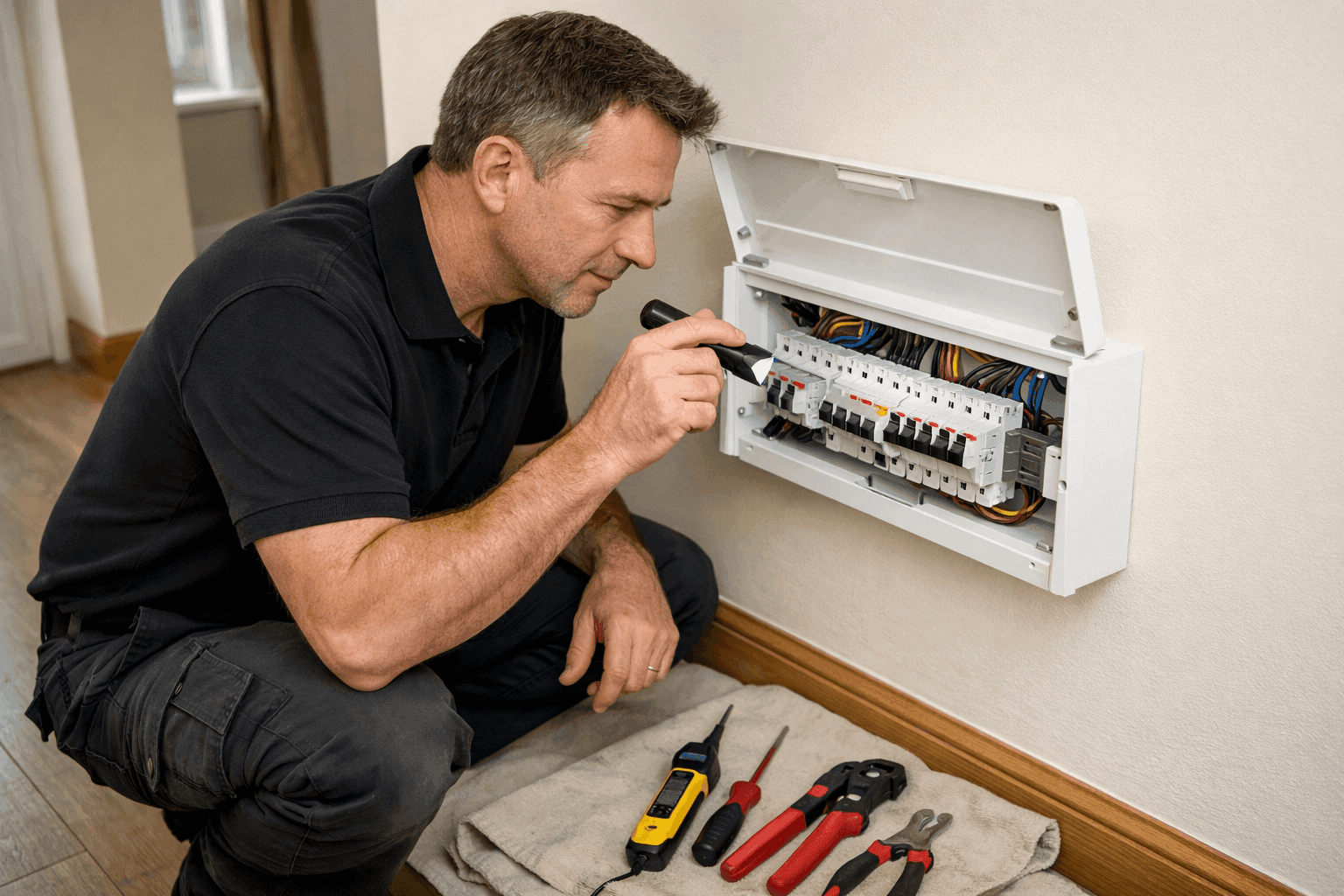
Understanding Your Home Electrics: A Complete Guide for UK Homeowners
Your home's electrical system is one of those things you probably don't think about until something goes wrong. Yet it powers virtually every aspect of modern life, from your morning coffee to the heating that keeps you warm on those damp Berkshire and Buckinghamshire winter evenings. Understanding how your electrics work isn't just interesting; it's genuinely empowering. When you know what's normal, you can spot problems early, make informed decisions about upgrades, and feel confident about when something genuinely needs professional attention.
This guide will walk you through the essential components of your home's electrical system, help you understand what's happening behind those switches and sockets, and give you the knowledge to maintain your system safely. Whether you live in a Victorian terrace in the Thames Valley or a modern build in the Chilterns, these principles apply to every UK home.
How Electricity Reaches Your Home

Before we explore what happens inside your property, it helps to understand the journey electricity takes to reach you. The National Grid distributes power across the country at extremely high voltages, which is then stepped down through a series of substations until it reaches the local distribution network serving your street.
For most homes in Berkshire and Buckinghamshire, electricity arrives through an underground service cable. This cable connects to your electricity meter, which measures how much power you use. The meter is typically owned by your energy supplier, and tampering with it is both illegal and dangerous.
From the meter, electricity flows to your consumer unit, which acts as the central hub of your home's electrical system. Everything that happens electrically in your property is controlled and protected from this single point.
Key components in the supply chain:
| Component | Location | Purpose |
|-----------|----------|---------|
| Service cable | Underground or overhead | Brings power to your property |
| Meter | External box or cupboard | Measures electricity usage |
| Main fuse | Before the meter | Protects the supply cable |
| Consumer unit | Inside your home | Distributes and protects circuits |
The main fuse, sometimes called the service fuse or cut-out, belongs to your distribution network operator and should never be touched by homeowners. If this needs attention, you'll need to contact your electricity supplier, who will arrange for the network operator to attend.
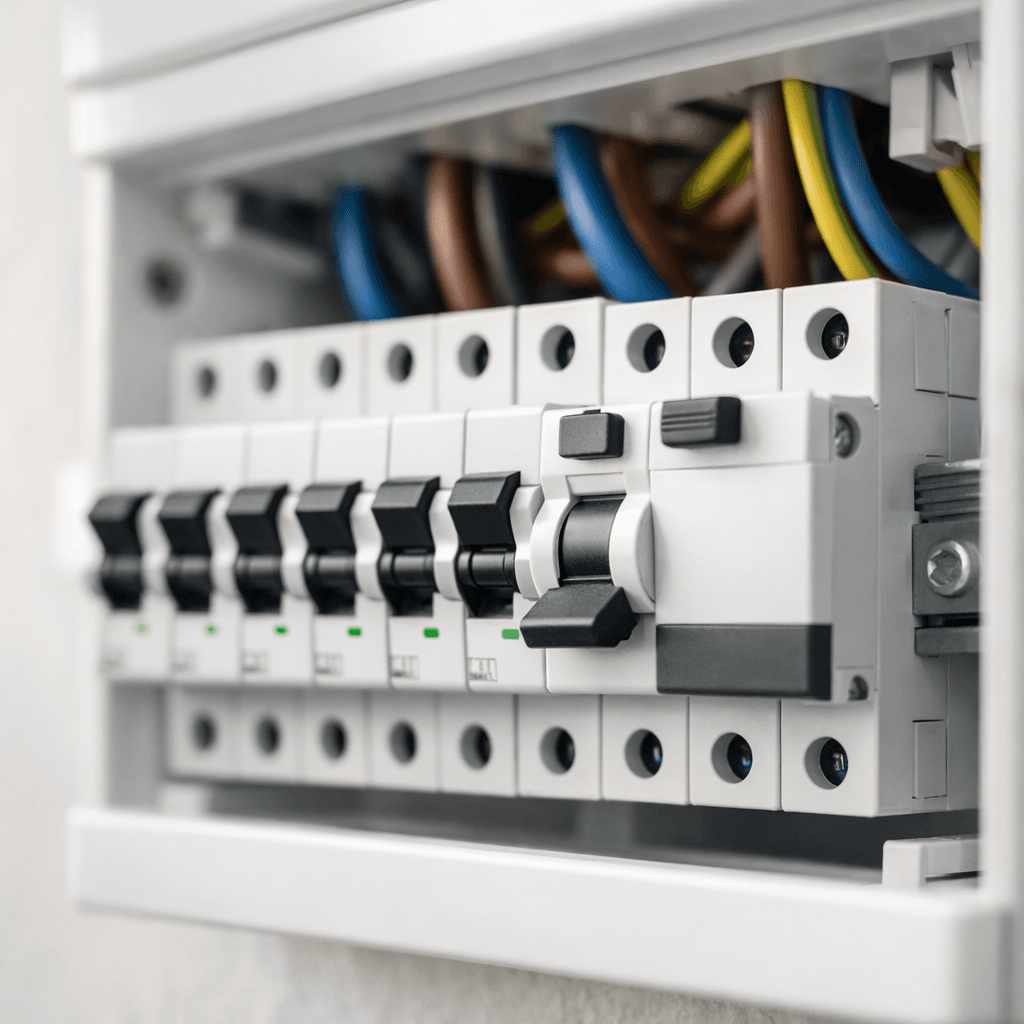
The Consumer Unit: Your Home's Electrical Command Centre
The consumer unit, still often called a fuse box from the days when actual fuses were used, is arguably the most important electrical component in your home. Modern consumer units contain several key elements that work together to distribute power safely throughout your property.
The main switch allows you to disconnect all electricity from your home instantly. This is vital during emergencies or when you need to carry out work on your electrical system. Knowing where your consumer unit is and how to operate the main switch is essential knowledge for every household member.
Circuit breakers (also called MCBs or miniature circuit breakers) protect individual circuits in your home. Unlike old-fashioned rewirable fuses, these can be reset simply by flipping the switch back up after the fault has been resolved. Each circuit breaker is rated for a specific current, typically 6A for lighting, 32A for ring mains, and 40A or higher for cookers and showers.
RCDs (residual current devices) are life-saving protective devices that monitor the flow of electricity and instantly cut the power if they detect current leaking to earth. This happens in milliseconds, faster than a heartbeat, and can prevent fatal electric shocks. Most modern consumer units have RCDs protecting groups of circuits, and some have RCBO devices that combine circuit breaker and RCD protection in one unit.
Homes in the South East, particularly those built or rewired after 2008, should have consumer units meeting the 17th Edition Wiring Regulations or later. If your property still has an old-style fuse box with rewirable fuses or lacks RCD protection, upgrading to a modern consumer unit is one of the most worthwhile safety improvements you can make.
Understanding Your Home's Circuits
Your electrical system isn't one continuous wire running through your home. Instead, it's divided into separate circuits, each serving different purposes and protected by its own circuit breaker. This design means a fault in one area won't affect power to the rest of your home.
Ring main circuits serve your standard plug sockets. In a ring configuration, the cable starts at the consumer unit, travels around a floor of your house connecting multiple sockets, and returns to the consumer unit. This creates a ring with power flowing in both directions, allowing the use of thinner cable while still safely delivering current to high-power appliances. Most UK homes have one ring main per floor.
Lighting circuits are typically radial circuits, meaning the cable runs from the consumer unit to each light fitting in sequence without returning. Lighting circuits carry much less current than socket circuits, which is why they use thinner cable and smaller circuit breakers.
Dedicated circuits serve high-power appliances that need their own protected supply. In most homes, you'll find dedicated circuits for electric cookers, electric showers, immersion heaters, and sometimes outdoor buildings or electric vehicle chargers. These appliances draw too much current to safely share a circuit with other equipment.
Circuit identification guide:
| Circuit Type | Typical Rating | What It Powers |
|--------------|----------------|----------------|
| Lighting | 6A | Ceiling lights, wall lights |
| Ring main | 32A | Standard plug sockets |
| Cooker | 32A to 50A | Electric cooker or hob |
| Shower | 40A to 50A | Electric shower unit |
| Immersion | 16A | Hot water cylinder heater |
Understanding which circuit serves which area helps enormously when troubleshooting. If a circuit breaker trips, knowing what's connected to that circuit helps you identify the likely cause.
Earthing and Bonding: Your Silent Safety System
Earthing and bonding might sound technical, but they're fundamental safety systems that protect you from electric shock. Understanding how they work helps you appreciate why certain regulations exist and why some seemingly simple jobs require professional attention.
Earthing provides a safe path for electricity to flow if something goes wrong. Every electrical circuit in your home includes an earth conductor, which connects back to the main earthing terminal. If a fault develops and the metal casing of an appliance becomes live, the earth conductor provides an easy path for current to flow, which triggers the protective devices in your consumer unit to cut the power.
Bonding connects all the metal services in your home to earth, preventing dangerous voltage differences from developing. Main protective bonding connects your gas and water pipes to the main earthing terminal. This ensures that if a fault occurred, you couldn't receive a shock by touching, say, a water tap and a radiator simultaneously.
Supplementary bonding is additional protection in high-risk areas like bathrooms, where water and electricity create particular dangers. This connects all metal parts in the room, including pipes, bath, radiator, and any accessible metal in the electrical installation.
Properties in older parts of Berkshire and Buckinghamshire may have earthing arrangements that don't meet current standards. If your home still relies on earthing through the metal water pipe, this needs attention. Many water companies have replaced metal supply pipes with plastic, potentially leaving homes without a reliable earth path.
Common Electrical Problems and What They Mean
One of the most valuable skills you can develop as a homeowner is recognising when something electrical isn't quite right. Early identification of problems often prevents more serious issues developing.
Frequently tripping circuit breakers usually indicate either a faulty appliance or a circuit that's being overloaded. Try unplugging everything on the affected circuit and resetting the breaker. Then plug items back in one at a time to identify the culprit. If the breaker trips with nothing plugged in, or trips instantly when reset, there may be a fault in the fixed wiring that needs professional investigation.
Flickering lights can have several causes. If a single light flickers, the bulb may be loose or failing, or there could be a poor connection at the light fitting. If multiple lights flicker, particularly when appliances switch on, it might indicate a loose connection in the consumer unit or issues with the main supply.
Warm or discoloured sockets are a warning sign that shouldn't be ignored. Heat suggests either a poor connection or that the socket is being overloaded with too many high-power appliances. Switch off the socket, unplug everything, and avoid using it until the cause has been identified.
Buzzing or crackling sounds from switches, sockets, or the consumer unit indicate arcing, where electricity jumps across a gap. This is a fire risk and needs prompt professional attention.
Burning smells from electrical equipment or around sockets require immediate action. Switch off the affected circuit at the consumer unit and don't use it until the problem has been resolved.
What You Can and Cannot Do Yourself

Electrical work in the UK is governed by Part P of the Building Regulations, which covers safety standards for domestic electrical installations. Understanding what falls within and outside these regulations helps you know when you can tackle something yourself and when you need qualified help.
Work you can typically do yourself includes changing light bulbs, replacing light fittings like-for-like, fitting plug-in equipment, and replacing damaged cables on appliances. You can also change socket faceplates, switch faceplates, and ceiling roses, provided you're replacing like with like and not altering the circuit itself.
Work that typically requires notification to Building Control, or certification by a registered electrician, includes adding new circuits, changing the consumer unit, work in bathrooms and kitchens that involves more than simple replacements, and any work in special installations like gardens or swimming pools.
Work that should always be done by a qualified electrician includes anything involving the meter or main fuse, alterations to your earthing or bonding, and installation of new circuits for high-power appliances.
DIY electrical work guide:
| Task | DIY Suitable | Notes |
|------|--------------|-------|
| Changing light bulbs | Yes | Ensure power is off |
| Replacing socket faceplate | Yes | Like-for-like only |
| Adding a new socket | No | Requires certification |
| Installing outdoor lighting | No | Requires certification |
| Fitting a new cooker circuit | No | Must use qualified electrician |
When in doubt, it's always worth consulting a qualified electrician. The risks of getting electrical work wrong range from failed appliances to house fires and fatal electric shocks.
Maintaining Your Electrical System
While most electrical maintenance requires professional attention, there are several things you can do to keep your system in good condition and catch problems early.
Test your RCDs regularly, ideally every three months. Most RCDs have a test button that, when pressed, should cause the device to trip immediately. If it doesn't, the RCD may have failed and needs professional attention. After testing, remember to reset the RCD.
Visual inspections of sockets, switches, and the consumer unit can reveal developing problems. Look for cracks, discolouration, burn marks, or any signs of damage. Check that socket covers sit flush against the wall and that switches operate smoothly.
Monitor for warning signs like unusual sounds, smells, or sensations when using electrical equipment. Warmth around sockets, tingling sensations when touching appliances, or lights dimming when other equipment operates all warrant investigation.
Consider periodic inspections by a qualified electrician, particularly if your property hasn't been inspected in the last ten years, you're buying or selling a home, or you've noticed any concerning signs. An Electrical Installation Condition Report provides a thorough assessment of your system's safety and identifies any urgent or improvement issues.
Properties in Berkshire and Buckinghamshire vary enormously in age and condition. Homes in established areas may have wiring from several different eras as properties have been extended and updated over the decades. Understanding what's in your property helps you plan for any necessary upgrades.
Energy Efficiency and Your Electrics
Your electrical system plays a significant role in your home's energy consumption, and there are several ways to use electricity more efficiently without compromising on comfort.
LED lighting uses a fraction of the energy of traditional bulbs and lasts many times longer. Replacing halogen or incandescent bulbs with LED equivalents is one of the simplest energy-saving measures available. Most modern LED bulbs work with existing fittings, though you may need LED-compatible dimmers if you want to retain dimming functionality.
Smart controls can help reduce electricity waste by ensuring lights and appliances aren't left on unnecessarily. Smart thermostats, lighting controls, and socket timers all contribute to reducing energy consumption. Many of these can be installed without professional help, though some smart systems benefit from professional configuration.
Understanding your consumption through smart meters or energy monitors helps identify where electricity is being used and where savings might be possible. Many appliances continue drawing power when on standby, and this phantom load can add up significantly over a year.
Future-proofing your installation is worth considering if you're planning any electrical work. The shift towards electric vehicles and heat pumps means many homes will need more electrical capacity in coming years. If you're upgrading your consumer unit or having other work done, discuss future requirements with your electrician.
When to Call a Professional
Knowing when to seek professional help is just as important as knowing what you can do yourself. Some situations clearly require expert attention, while others are judgement calls based on your comfort level and experience.
Always call a professional immediately if you smell burning from electrical equipment, see sparks or flames, receive an electric shock from any installation, or notice damage to your meter or main supply.
Arrange professional attention soon if circuit breakers trip repeatedly, lights flicker throughout the house, sockets feel warm when in use, or you notice any damage to your consumer unit.
Consider professional advice if you're planning significant changes to your home, haven't had an electrical inspection for many years, or you're unsure whether something you've noticed is normal.
When choosing an electrician, look for membership of a competent person scheme like NICEIC, NAPIT, or ELECSA. These schemes allow electricians to self-certify their work as meeting Building Regulations, which simplifies the process and ensures standards are maintained.
Frequently Asked Questions
How often should my electrical installation be inspected?
The recommended interval for homeowner-occupied properties is every ten years, though five-yearly inspections are recommended for rented properties. If your home hasn't been inspected in over a decade, or you're unsure of its electrical history, an inspection is worthwhile.
Why does my RCD keep tripping?
Frequent RCD tripping usually indicates current leakage somewhere in the protected circuits. This could be a faulty appliance, damaged wiring, or moisture in an outdoor installation. Try unplugging appliances to identify the cause. If the RCD trips with nothing connected, you'll need professional investigation.
Is it safe to overload a socket with adapters?
While it's not inherently dangerous to use adapters, the total load shouldn't exceed 13A (about 3,000W). Be particularly careful with high-power appliances like heaters, kettles, and hair dryers. If you regularly need more sockets, consider having additional ones installed.
What's the lifespan of domestic wiring?
With good quality materials and professional installation, wiring can last 25 to 40 years or more. However, environmental factors, physical damage, and changing standards mean regular inspection is important regardless of age. Properties with original wiring from before the 1980s may benefit from a rewire.
Can I move my consumer unit myself?
No. Moving a consumer unit involves notifiable work under Part P and must be carried out by a qualified electrician who can certify the work. This isn't just a legal requirement; it's a safety necessity.
Why are some sockets upside down?
Sockets with the earth pin at the bottom are sometimes installed above kitchen worktops. If the plug isn't fully inserted and something metal falls on it, the earth pin contacts last rather than first, providing slightly better protection. However, either orientation is acceptable under UK wiring regulations.
---
Understanding your home's electrical system doesn't mean you need to become an electrician. It means being an informed homeowner who can spot problems early, make sensible decisions about upgrades, and know when expert help is genuinely needed. Your electrical system works hard every day to power your life. A little knowledge goes a long way towards keeping it working safely and efficiently.
If you're planning improvements to your home or need help finding a trusted electrician for inspection or upgrade work, Home+ connects homeowners across Berkshire and Buckinghamshire with qualified professionals who understand local properties and regulations.
Top Tip:
This guide was researched and structured with AI assistance and reviewed for accuracy by our editorial team.