
Spring Home Revival: Your Complete Guide to Refreshing Your Thames Valley Property
Spring in the Thames Valley brings a welcome change from the damp, grey winter months. As the days grow longer and temperatures rise, it's the perfect time to give your home the attention it deserves. After months of central heating, closed windows, and battling the elements, your property needs a thorough revival to prepare for the warmer seasons ahead.
The unique climate of the Thames Valley, with its mix of urban and rural environments, presents specific challenges for homeowners. From managing moisture levels that have built up over winter to preparing gardens for the notorious Thames Valley clay soil, spring home revival requires a tailored approach that considers our regional conditions.
This comprehensive guide will walk you through every aspect of refreshing your home, from essential maintenance tasks to creating spaces that celebrate the return of warmer weather. Whether you live in a Victorian terrace, a 1930s semi-detached property, or a modern development, these strategies will help you create a healthier, more comfortable living environment.
Understanding Your Home's Winter Impact

Winter takes its toll on every home in the Thames Valley. The combination of heating systems running continuously, reduced ventilation, and the region's characteristic damp conditions creates specific challenges that need addressing come spring.
Condensation is particularly problematic in our area due to the River Thames and numerous tributaries creating higher humidity levels. You may notice this as water droplets on windows, damp patches on walls, or a musty smell in certain rooms. These conditions can lead to mould growth, which not only affects your home's appearance but can also impact indoor air quality.
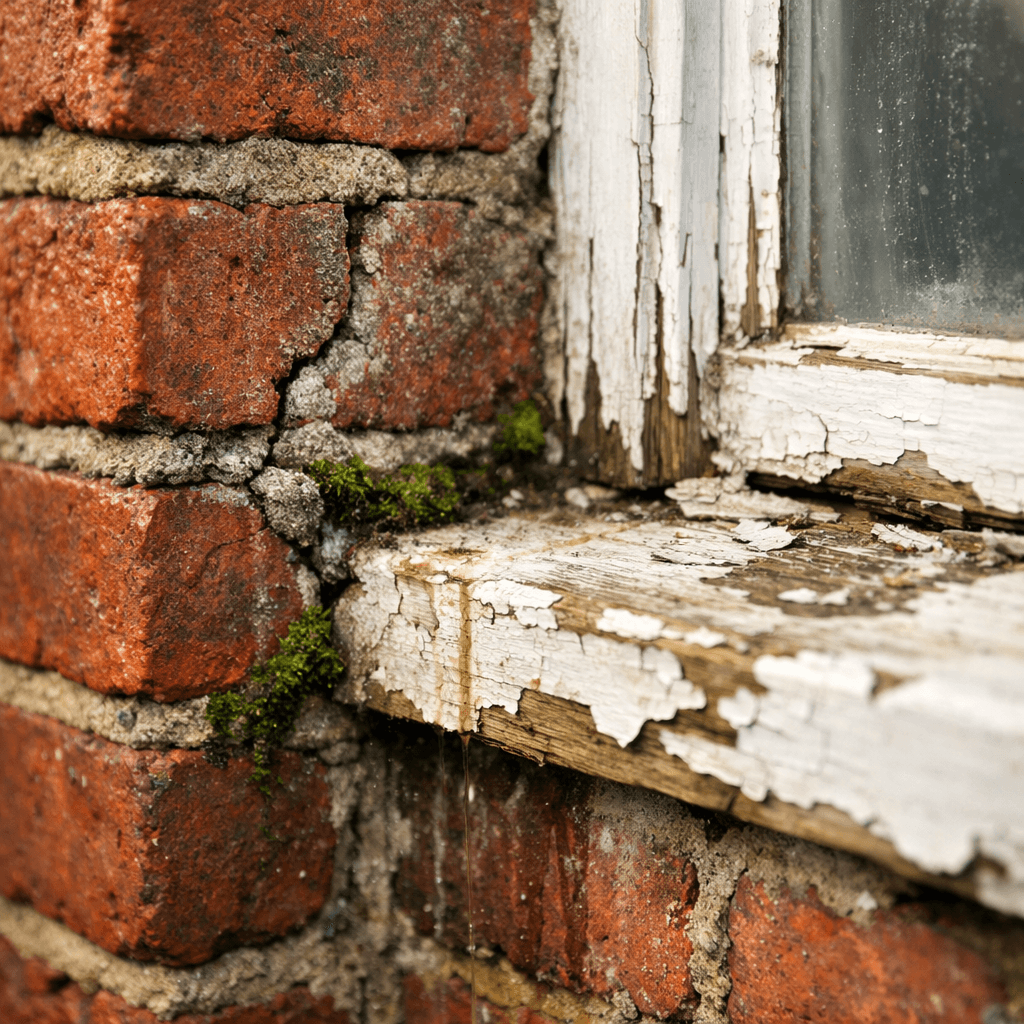
The freeze-thaw cycles common in our region can cause expansion and contraction in building materials, potentially leading to small cracks in exterior walls, around window frames, or in pointing between bricks. While these may seem minor, addressing them early prevents water ingress and more costly repairs later.
Your heating system has also been working hard throughout winter. Boilers, radiators, and pipework may have accumulated debris or developed minor issues that become apparent as the weather warms and heating demand reduces. Spring is the ideal time to assess these systems before they're needed again next winter.
Essential Interior Deep Clean and Refresh
A thorough spring clean goes beyond surface tidying. Start by improving indoor air quality, which may have deteriorated over winter due to reduced ventilation and increased time spent indoors.
Begin with your ventilation systems. Clean or replace filters in mechanical ventilation units, and check that trickle vents in window frames are clear and functioning. These small vents, often overlooked, play a crucial role in maintaining air circulation and preventing condensation issues.
Tackle soft furnishings comprehensively. Curtains, cushions, and upholstery trap dust, allergens, and odours over winter. Where possible, wash or professionally clean these items. For heavy curtains that can't be easily washed, consider steam cleaning or using a fabric refresher.
Don't forget about areas that are often neglected during regular cleaning routines. Light fittings accumulate dust that not only dims their effectiveness but can also create fire hazards. Ceiling fans, if you have them, need particular attention as dust buildup can affect their efficiency and create air circulation problems.
Your carpets and rugs have endured months of closed windows and potentially higher moisture levels. Deep clean these using appropriate methods for your carpet type. For wool carpets common in period properties, be particularly careful with moisture levels to avoid damage.
Deep Cleaning Priority Areas
| Room | Key Focus Areas | Estimated Time |
|------|----------------|----------------|
| Living Areas | Windows, soft furnishings, air vents | 4 to 6 hours |
| Bedrooms | Mattresses, wardrobes, behind furniture | 3 to 4 hours |
| Kitchen | Appliances, cupboards, ventilation | 5 to 7 hours |
| Bathrooms | Grout, ventilation, behind fixtures | 3 to 5 hours |
Exterior Maintenance and Assessment
The exterior of your home has faced the full brunt of Thames Valley weather conditions. Spring assessment should focus on identifying and addressing any damage before it becomes a major problem.
Start with your roof and guttering system. Winter storms and autumn leaf fall can block gutters and downpipes, leading to overflow and potential water damage. Clear all debris and check that water flows freely through the system. Look for any loose tiles or damaged flashing, particularly around chimney areas where high winds may have caused movement.
Inspect your property's pointing and brickwork. The Thames Valley's clay-rich soil can cause settlement over time, and freeze-thaw cycles can exacerbate any existing cracks. Small cracks can be repointed by confident DIYers, but larger structural cracks require professional assessment.
Your property's paintwork and external woodwork need attention after winter exposure. Look for areas where paint is peeling or wood is showing signs of moisture damage. Early treatment prevents more extensive and expensive repairs later. Many homeowners in our region schedule external painting on a rotating basis, tackling one or two elevations each year rather than the entire property at once.
Check window and door seals thoroughly. Perished seals not only affect energy efficiency but can allow water ingress during heavy rain. The changeable spring weather in our region makes this an ideal time to identify and replace damaged sealing before the winter returns.
Garden and Outdoor Space Preparation
Thames Valley gardens face unique challenges, particularly our heavy clay soil that becomes waterlogged in winter and can bake hard in summer heat. Spring preparation is crucial for a thriving outdoor space.
Assess your lawn condition after winter. Moss growth is common in our damp climate and shaded areas. Scarifying to remove moss and thatch, followed by overseeding bare patches, will improve your lawn's health and appearance. The clay soil common in our area benefits from aeration, which can be done with a garden fork on smaller areas or hired equipment for larger lawns.
Your garden borders need attention after winter. Remove dead plant material and carefully weed around emerging perennials. The region's mild winters often mean weeds have continued growing, giving them a head start in spring. Mulching borders helps suppress weeds and retains moisture during drier periods.
Consider your garden's drainage. Poor drainage is a common issue with clay soils, leading to waterlogged areas and plant losses. Installing drainage solutions or incorporating organic matter to improve soil structure can make a significant difference to your garden's success.
Outdoor furniture and equipment that has been stored or covered over winter needs checking. Clean and treat wooden furniture with appropriate preservatives, and check that metal items haven't developed rust spots that need treating.
Heating System Transition and Maintenance
As heating demands reduce, spring is the perfect time to maintain your system and address any issues that have developed over winter. This proactive approach ensures efficiency and reliability when you need heating again.
For homes with combi boilers, which are common in Thames Valley properties, check the pressure gauge. Winter heating demands may have caused pressure drops, and low pressure affects efficiency and can damage the system. Topping up the pressure is often something homeowners can do themselves, but if you're unsure, consult the manual or seek professional advice.
Radiators may have developed air locks over winter, leading to cold spots and reduced efficiency. Bleeding radiators is a straightforward task that can significantly improve heating performance. Start with radiators on the ground floor and work upwards, always ensuring the heating system is switched off before beginning.
Check radiator valves for leaks or signs of corrosion. Thermostatic radiator valves (TRVs) can stick after months of constant use. Operating them through their full range can help prevent this and ensure they're ready for next winter.
Your heating controls and thermostat deserve attention too. Clean the thermostat gently and ensure it's accurately positioned away from direct sunlight or draughts. Programme timing controls for spring schedules, reducing heating hours as temperatures rise.
Energy Efficiency and Home Comfort
Spring improvements to your home's energy efficiency will pay dividends throughout the year. Focus on areas that have been highlighted by winter's heating demands.
Draught-proofing is particularly important in older Thames Valley properties. Victorian and Edwardian homes, common in our area, often have single-glazed sash windows and period doors that can be significant sources of heat loss. Modern draught-proofing solutions can be fitted without compromising the character of period properties.
Assess your insulation needs. Loft insulation may have settled over winter or been disturbed by maintenance work. The recommended depth is 270mm for mineral wool insulation. Check for gaps around the loft hatch and ensure pipes and tanks are properly insulated.
Consider upgrading your lighting to LED bulbs if you haven't already. Spring's longer days provide the perfect opportunity to assess your artificial lighting needs and identify areas where more efficient bulbs can reduce energy consumption and heat generation.
Window treatments can significantly impact comfort and energy efficiency. Heavy winter curtains might be replaced with lighter alternatives for spring and summer, while still maintaining privacy and solar control when needed.
Indoor Air Quality and Ventilation

After months of reduced ventilation, improving indoor air quality should be a priority. The Thames Valley's geographical position can trap pollutants, making good indoor air circulation essential for health and comfort.
Start by establishing a routine of regular ventilation. Open windows for at least 10 to 15 minutes daily, even on cooler days, to refresh indoor air. This is particularly important in bedrooms and bathrooms where humidity levels can remain high.
Check and clean extractor fans in bathrooms and kitchens. These work harder during winter when windows are kept closed, and reduced efficiency can lead to condensation and mould problems. Replace filters where applicable and ensure external vents are clear of obstructions.
Houseplants can significantly improve indoor air quality by filtering pollutants and adding oxygen. Spring is an excellent time to introduce new plants or revive existing ones after their dormant winter period. Plants like spider plants, peace lilies, and Boston ferns are particularly effective air purifiers and thrive in our climate.
Consider the placement of furniture and belongings to promote air circulation. Furniture pushed against external walls during winter for warmth might now be better positioned to allow air flow and prevent condensation issues.
Preparing for Summer Challenges
While enjoying spring's arrival, it's wise to prepare for summer's unique challenges. Thames Valley summers can bring intense heat, sudden storms, and increased UV exposure that affects your home.
Air conditioning isn't common in UK homes, but natural cooling strategies can maintain comfort during heat waves. Consider installing window films that reduce solar heat gain while maintaining natural light. These are particularly effective on south-facing windows.
Prepare your garden irrigation system. Hand watering can be insufficient during dry spells, and hosepipe bans aren't uncommon in our region. Installing water butts to collect rainwater provides a sustainable water source for gardens. Consider drip irrigation systems for borders and containers to maximise water efficiency.
Check external paint and timber for UV protection. The increased sunlight can accelerate deterioration of external finishes. Applying UV-protective treatments in spring extends the life of paintwork and prevents costly repairs.
Prepare your home's cooling strategies. Ceiling fans, portable fans, and natural ventilation patterns become important during hot weather. Test these systems in spring when repair time and costs are more manageable.
Professional Services and When to Call Them
While many spring home revival tasks can be tackled by homeowners, some require professional expertise. Understanding when to call professionals helps ensure safety and prevents costly mistakes.
Electrical work beyond simple bulb changes and appliance testing should be handled by qualified electricians. If you've noticed flickering lights, frequent fuse trips, or any signs of electrical problems during winter, spring is an ideal time to address these issues before increased air conditioning or fan usage puts additional demand on your system.
Gas appliance servicing is legally required annually for rental properties and strongly recommended for owner-occupied homes. Spring servicing ensures your boiler and other gas appliances are safe and efficient. Any gas safety concerns should be addressed immediately by Gas Safe registered engineers.
Structural issues, such as significant cracks, roof damage, or foundation concerns, require professional assessment. While minor cosmetic cracks can be addressed by homeowners, anything that suggests structural movement needs expert evaluation.
Professional cleaning services can be valuable for tasks that are difficult or time-consuming for homeowners. Carpet cleaning, window cleaning for upper floors, or deep cleaning of items like curtains and upholstery can be cost-effective when considering time, equipment, and expertise required.
Cost-Effective Spring Improvements
Spring home revival doesn't need to break the budget. Strategic improvements can provide significant benefits while managing costs effectively.
Prioritise improvements that offer multiple benefits. Draught-proofing, for example, improves comfort, reduces energy bills, and prevents moisture ingress. Similarly, proper ventilation improvements affect air quality, prevent mould, and can reduce heating costs.
Consider DIY options for appropriate tasks. Many spring cleaning and maintenance tasks are well within most homeowners' capabilities with the right tools and information. YouTube tutorials and manufacturer instructions can guide you through many procedures safely.
Plan larger projects in phases. Rather than attempting major improvements all at once, spread projects across multiple seasons. This approach allows better budgeting and prevents disruption to daily life.
Budget-Friendly Spring Improvements
| Improvement | Cost Range | DIY Difficulty | Impact |
|------------|------------|---------------|--------|
| Draught-proofing | £20 to £100 | Easy | High |
| Deep cleaning | £50 to £200 | Easy | High |
| Garden preparation | £30 to £150 | Medium | Medium |
| Filter replacements | £15 to £75 | Easy | Medium |
Technology and Smart Home Integration
Modern technology can significantly enhance your spring home revival efforts and ongoing home management. Smart home devices become more accessible and affordable each year, offering convenience and efficiency benefits.
Smart thermostats learn your habits and can optimise heating schedules automatically. Many models provide detailed energy usage information, helping you understand and reduce consumption. They're particularly valuable in Thames Valley's variable climate, adapting to sudden weather changes.
Water leak detectors can prevent costly damage from burst pipes or appliance failures. These small devices can be placed near washing machines, dishwashers, and in areas prone to leaks, providing early warning of problems.
Smart lighting systems can improve security, reduce energy consumption, and enhance comfort. Programmable systems can simulate occupancy when you're away and provide appropriate lighting levels throughout the day.
Home monitoring systems help track indoor air quality, temperature, and humidity levels. This information helps you make informed decisions about ventilation, heating, and moisture control.
Frequently Asked Questions
How often should I deep clean my home in spring?
A thorough spring clean once yearly is sufficient for most homes, but focus areas like carpets, curtains, and ventilation systems benefit from more frequent attention. Establish monthly checks for air vents and filters throughout the year.
What's the most important exterior maintenance task for Thames Valley homes?
Gutter cleaning and roof inspection are crucial due to our variable weather and frequent storms. Blocked gutters can cause significant water damage, particularly in areas with clay soil that doesn't absorb water quickly.
How can I improve indoor air quality after winter?
Regular ventilation is key - open windows daily for 10 to 15 minutes, ensure extractor fans work properly, clean or replace air filters, and consider adding houseplants that naturally filter air pollutants.
When should I service my heating system?
Spring is ideal for heating system maintenance. With reduced demand, you can identify and address issues before next winter. Annual professional servicing is recommended for gas boilers and required by law for rental properties.
What drainage improvements work best for clay soil?
Clay soil drainage improves with organic matter incorporation, creating raised beds, and installing French drains for persistent problems. Small areas benefit from regular cultivation and mulching to improve soil structure.
How do I know if exterior cracks need professional attention?
Minor hairline cracks in pointing are normal and can often be addressed with DIY repointing. However, cracks wider than a 10p coin, stepped cracks following mortar joints, or cracks that appear suddenly should be professionally assessed.
What's the most cost-effective way to improve home comfort?
Draught-proofing provides excellent value, often costing under £100 but significantly improving comfort and reducing energy bills. Combined with proper ventilation management, it addresses multiple comfort and efficiency issues.
Spring home revival is about creating a foundation for year-round comfort and efficiency. By addressing winter's impact systematically and preparing for the seasons ahead, you're investing in your property's long-term value and your family's comfort. The key is consistent attention to your home's needs, using professional services when appropriate, and maintaining the improvements you make.
Need help maintaining your home throughout the year? Home+ connects you with trusted professionals and provides ongoing guidance to keep your property in excellent condition, whatever the season brings.
Top Tip:
This guide was researched and structured with AI assistance and reviewed for accuracy by our editorial team.