ROI on a Kitchen Renovation: What UK Homeowners Get Back in 2026
A new kitchen is the single most-discussed renovation project in UK homes, and the most over-promised. The myth is that you spend £18,000 and put £25,000 on the asking price. The reality of kitchen renovation roi uk in 2026 is more interesting, more constrained, and a lot more useful once you understand where the value actually comes from — and where it does not.
The short answer: what kitchen renovation ROI looks like in the UK in 2026
Across most of the UK in 2026, a kitchen renovation returns somewhere between 50% and 80% of what you spend, measured as the uplift in your home's market value the day it is finished. Spend £20,000 on a sensible mid-range kitchen and you can typically expect £10,000–£16,000 of added value on the surveyor's valuation. A high-end refit at £45,000 in a mid-market £400,000 home rarely adds more than £25,000–£30,000 — the law of diminishing returns is brutal above the local ceiling price for your street.
Two things change those numbers more than anything else: how long you stay in the house after the work, and how badly the old kitchen was dragging the home down. If you live in the new kitchen for ten years, the 'ROI' question shifts entirely — you are buying daily quality of life as well as resale uplift, and the calculation looks much friendlier.
What 'ROI' actually means for a kitchen
Kitchen ROI gets quoted as a single percentage in magazine articles, which is misleading. Three different numbers all get called 'return':
• Resale uplift on day one — the difference a valuer or estate agent puts on the house immediately after the work is finished. This is the figure most homeowners mean, and the one we focus on here.
• Time-to-sell effect — a renovated kitchen rarely adds dramatic value to the asking price in a strong market, but it can shave weeks off the time a property sits on the market. In a slower local market, that is sometimes worth more than the headline uplift.
• Lived-in value — the cumulative benefit of cooking in a kitchen you actually like for several years. Hard to monetise, easy to underestimate.
The honest framing is this: a sensible kitchen renovation in the UK in 2026 will not, on average, pay for itself in pure financial terms. It will usually return 50–80p in resale uplift for every £1 spent. The remaining 20–50p is paid back in lived experience and saleability — both real, neither bankable.
2026 UK kitchen renovation cost ranges
Before you can work out the ROI, you need a realistic spend figure. For a typical 12–15 m² kitchen in a mid-market UK home in 2026, here is roughly what the market is charging:
• Cosmetic refresh (paint cabinets, new handles, new worktop, new tap, new floor): £2,500–£6,000.
• Replacement units, same layout (flat-pack or budget rigid units, mid-range appliances, basic worktop): £8,000–£14,000.
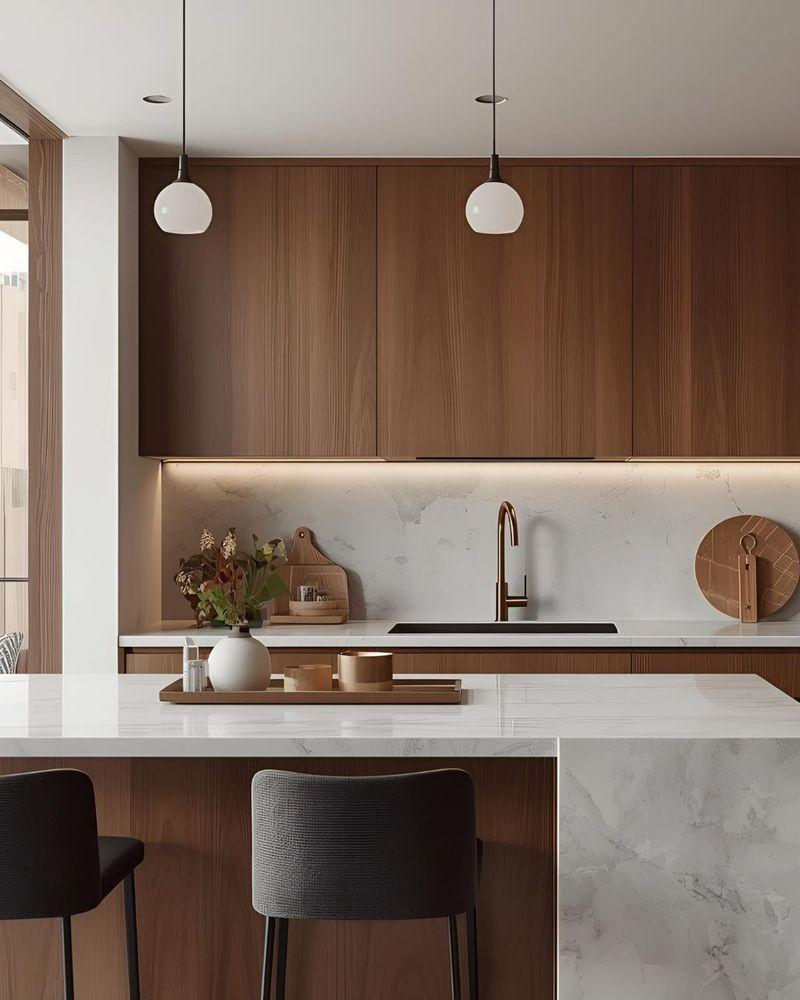
• Mid-range refit, new layout (good rigid units, quartz or solid timber worktop, branded appliances, some structural work): £18,000–£30,000.
• High-end refit (bespoke or in-frame cabinetry, premium appliances, larger structural changes): £40,000–£75,000+.
• Kitchen-diner extension with new kitchen (single-storey rear extension, 20 m²): £55,000–£110,000 all-in, of which the kitchen itself is typically £20,000–£35,000.
Labour is roughly 35–45% of those totals in 2026, with units, appliances and worktops making up most of the rest. Regional variation is significant — expect London and the South East to sit 20–30% above the figures above, the North East and Wales 10–15% below.
Where the value actually comes from
Surveyors don't value kitchens line by line. They value the home as a whole, against comparable recent sales on the street and in the postcode. A new kitchen lifts the valuation in three ways, in this order of impact:
• It removes a negative. A tired 1990s kitchen with chipped laminate worktops is a deduction on the surveyor's mental ledger. Replacing it with something neutral and modern brings the home back to the postcode baseline.
• It signals condition. A new kitchen implies a maintained home. That perception bleeds across the rest of the valuation — buyers (and surveyors) assume better wiring, better plumbing, fewer hidden problems.
• It expands the buyer pool. Renovated kitchens make a home accessible to time-poor buyers who will not take on works themselves. More buyers, faster sale, sometimes a higher offer.
Where to spend and where to save
High-ROI choices
If you want every pound of spend to pull its weight on the day-one valuation, this is where to concentrate it:
• Layout that works. A poorly laid out kitchen is the single biggest negative valuers note. Fixing the work triangle, the walking lines and the sightlines from a living space adds disproportionate value.
• Light. Bigger windows, a roof light over an island, or a side return that floods the room — light reads as space, and space reads as money. A £4,000 roof light can add more value than £4,000 of cabinetry.
• A neutral, durable worktop. Quartz or a good engineered stone in a pale, calm colour photographs well, survives well, and ages well. Coloured high-gloss laminate dates fast.
• Standard widths, ovens at eye level, and a dishwasher. These are the boring three details that surveyors and buyers expect by default in 2026.
Low-ROI choices
These either add cost without adding value, or actively narrow your buyer pool when you sell:
• Highly personal colours. A British Racing Green kitchen looks superb in your photographs and looks like a job to repaint in the surveyor's notes.
• Top-tier appliances above the home's ceiling price. A £4,500 induction hob in a £280,000 terrace adds £0 to the valuation.
• Bespoke islands the room cannot quite carry. An island narrower than 1m of clear walking space around it is a downgrade on the floor plan.
• Smart-home gimmicks that need an app to operate basic functions. Most surveyors don't value them; most buyers don't trust them; and they break.
The unpopular opinion
Most UK homeowners are spending too much on the wrong half of their kitchen. The cabinetry — the thing the showroom sells you — depreciates the moment it is installed, like a car driven off the forecourt. The structural decisions, the light, the layout, the worktop, the flooring and the windows hold their value. If your budget is £20,000, spend £8,000 on cabinetry and £12,000 on the things that don't have a brand name on them. Most people do the opposite, and most people leave £4,000–£6,000 of resale uplift on the table for the privilege of a shinier door.
Property type matters more than spec
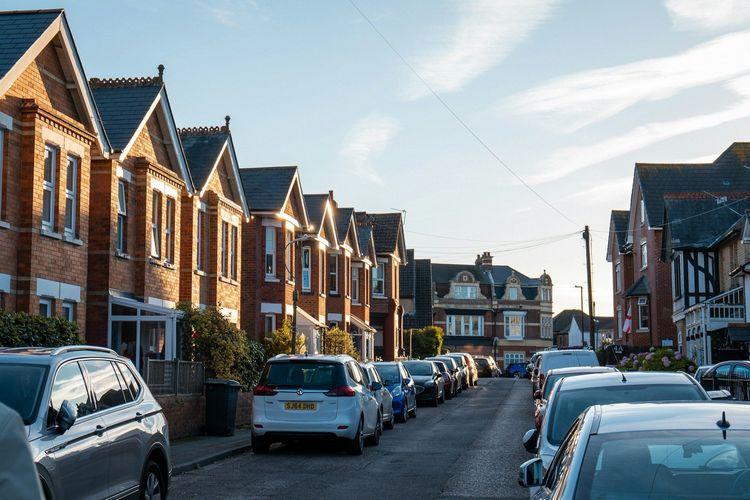
The single biggest determinant of kitchen ROI in 2026 is the ceiling price of your street. Every postcode has one — the price beyond which no buyer is willing to pay for a house of your size and type, no matter what you do to it. A surveyor's job is to find that ceiling and not exceed it.
• Terraced and semi-detached homes under the local ceiling: a £15,000–£25,000 mid-range refit typically returns 70–80% on the valuation. The home was being held back; the new kitchen unlocks it.
• Detached homes at or near the local ceiling: a £25,000–£40,000 refit usually returns 50–65%. The home is already valued well; the new kitchen is a like-for-like refresh, not an unlock.
• Flats and maisonettes: kitchen ROI tends to track the cost very closely (60–75%), because the rest of the property is constrained. A great kitchen does heavy lifting in a small flat.
• Period properties with original features: there is a sweet spot between sympathetic and modern. Stripping a Victorian terrace of every original feature for a slab-fronted minimalist kitchen often reduces ROI rather than increases it.
When not to renovate the kitchen before selling
If you are planning to sell within nine months, a full kitchen renovation is almost always a poor financial decision. You will pay the full cost; you will not benefit from any of the lived-in value; the home will be on the market with paint smell and a builders' invoice in the drawer; and a meaningful slice of buyers actively want to put their own kitchen in and will discount yours mentally.
A targeted £1,500–£3,500 refresh — repaint, re-tile, new worktop, replace the handles, a deep clean and the kettle on for viewings — typically returns 200–300% in faster sale and slightly higher offers. That is the highest-ROI kitchen work most UK homeowners will ever do, and it is the work most people skip in favour of a full refit they regret six weeks later.
What to do in the next 30 minutes
Find three recent sold prices on your own street, from the past 12 months, with similar bedroom counts. The HM Land Registry price-paid data on gov.uk gives you the floor and the ceiling for your home.
Photograph your current kitchen — wide shot, worktop close-up, appliances, and the layout from the door. Save the photos to your free Home+ logbook as the 'before' record of the room.
Write down the three things about the kitchen that bother you most. If those three things cost less than £4,000 to fix, you may not need a renovation at all.
If you decide to proceed, draft a budget split: 40% cabinetry, 60% on layout, light, worktop, appliances, flooring. Then sit with it for a week before you sign anything.
Keep the record from day one
Whatever you spend, the work is part of your home's story from the day the first cabinet is fitted. A photo of the empty room, the invoice from the fitter, the manuals for the appliances, the warranty on the worktop and the FENSA certificate for any new window — they all belong in one place. You can log your renovation in Home+ as it happens — costs, photos, warranties, and a service record for the appliances — and that record sits with the house if you ever sell. The next buyer's surveyor will value a home with proof of work more highly than one without.
Related reading on the Home+ blog: "Will a Loft Conversion Add Value to Your UK Home in 2026?" and the upcoming pillar guide "How to Future-Proof Your UK Home: 2026–2030 Playbook".