
Spring Home Health Check: Essential Post-Winter Care for Your Property
After months of battling the unpredictable British winter, your home deserves a thorough health check as spring arrives. Properties across Surrey and Sussex face unique challenges from the region's varied weather patterns, from the chalky soils of the South Downs to the clay-heavy ground closer to London. This comprehensive guide will help you assess your property's condition, address any winter damage, and prepare your home for the months ahead.
Understanding Winter's Impact on Surrey and Sussex Homes

The winter months can be particularly challenging for properties in our region. The combination of damp conditions, occasional frost, and the clay soils common across much of Surrey and Sussex creates specific issues that homeowners need to address. Clay soil expands when wet and contracts when dry, potentially affecting foundations and drainage systems. Meanwhile, the region's Victorian and Edwardian housing stock, with their solid wall construction and original features, requires particular attention after winter weather.
Your home's building envelope - the barrier between indoor and outdoor environments - works harder during winter months. Heating systems run constantly, moisture levels fluctuate, and temperature variations can cause materials to expand and contract. Understanding these pressures helps you identify areas that need attention as we transition into spring.
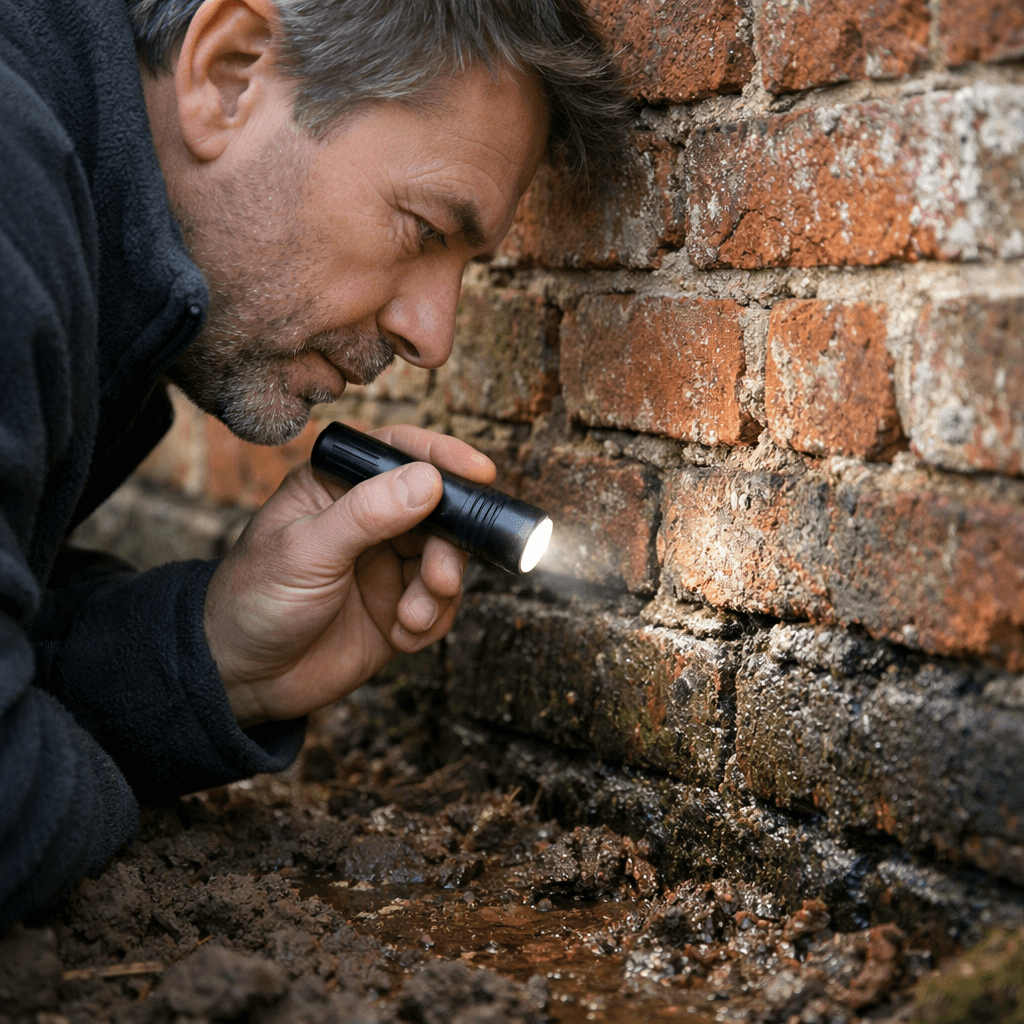
Exterior Assessment: Your Property's First Line of Defence
Roof and Guttering Inspection
Start your spring health check from the top down. Walk around your property and examine the roofline carefully. Look for missing, cracked, or displaced tiles or slates. Surrey and Sussex homes often feature clay tiles that can become brittle with age and weather exposure. Check for any sagging areas in the roofline, which might indicate structural issues requiring professional assessment.
Guttering systems take a battering during winter months. Clear any remaining debris from gutters and downpipes, checking for cracks, leaks, or loose joints. Pay particular attention to joints and corners where blockages commonly occur. In our region's clay soil areas, ensure downpipes direct water well away from foundations to prevent subsidence issues.
Wall and Foundation Checks
Examine external walls for cracks, particularly around windows and doors. Small hairline cracks are often normal settlement, but larger cracks or those that have grown during winter may indicate more serious issues. The clay soils prevalent across much of Surrey and Sussex can cause seasonal movement, so monitoring crack patterns is essential.
Check pointing between bricks or stones, looking for areas where mortar has deteriorated. Winter frost can cause significant damage to aging pointing, allowing water penetration that leads to more serious problems if left untreated.
Windows and External Doors
Inspect window frames for signs of rot, warping, or paint deterioration. Check that all windows open and close smoothly - sticking windows often indicate frame swelling from moisture penetration. Examine the putty or sealant around window panes, replacing any that has cracked or shrunk.
Door frames require similar attention. Check weatherstripping around doors and replace if worn or damaged. This simple maintenance task can significantly improve your home's energy efficiency and comfort levels.
Interior Climate Control and Ventilation
Heating System Health Check
Your boiler has worked hard throughout winter, so spring is the perfect time for a thorough assessment. Check radiators for cold spots, which might indicate sludge build-up or air in the system. Bleed radiators if necessary and note any that remain cold after bleeding, as these may require professional attention.
Examine visible pipework for leaks, corrosion, or insulation damage. Pay particular attention to pipes in unheated areas like lofts or cellars. Check your boiler's pressure gauge - most systems should maintain pressure between 1 and 2 bar when cold.
For properties with older heating systems common in Surrey and Sussex, consider having your system professionally serviced before switching to summer mode. This proactive approach can prevent costly breakdowns and improve efficiency.
Ventilation and Air Quality
Winter months often mean reduced ventilation as we keep windows closed for warmth. This can lead to increased humidity and potential condensation problems. Check for signs of condensation damage, particularly in bathrooms, kitchens, and bedrooms. Look for mould growth, peeling wallpaper, or water stains on ceilings and walls.
Ensure extractor fans are working effectively and clean filters or vents that may have accumulated dust or moisture during winter. Proper ventilation is crucial for maintaining a healthy indoor environment and protecting your property's fabric.
Plumbing and Water Systems
Internal Plumbing Assessment
Check all taps, toilets, and appliances for leaks or reduced water pressure. Look under sinks and around toilet bases for signs of water damage. In older Surrey and Sussex properties with original plumbing, winter can reveal weak points in aging systems.
Test hot water temperature and flow rate from all outlets. If you notice significant variations, this might indicate issues with your hot water cylinder or distribution system. Check visible pipes for signs of corrosion, particularly where copper pipes meet iron fittings.
External Water Features and Drainage
Examine outside taps and any external plumbing for frost damage. Check that stopcock covers are secure and accessible - you'll need quick access in case of emergencies. Test garden taps by turning water on slowly and checking for leaks or reduced pressure.
Walk around your property after heavy rain to observe water drainage patterns. The clay soils in much of our region can create drainage challenges, so ensure water flows away from your property efficiently. Check for standing water or saturated ground close to walls, which could indicate drainage problems.
Electrical Safety and Efficiency
Safety Checks You Can Perform
While major electrical work requires professional attention, you can perform basic safety checks. Test all RCD (residual current device) switches in your consumer unit using the test button - these should trip immediately and reset easily. If any RCD fails to trip or won't reset, contact a qualified electrician promptly.
Check visible cables for damage, particularly in areas where they might have been affected by heating fluctuations or minor flooding. Look for scorch marks around sockets or switches, which could indicate electrical problems developing.
Outdoor Electrical Features
If you have external lighting or sockets, check these carefully after winter weather. Look for water ingress in outdoor sockets and ensure all weatherproof covers are intact. Test external lighting systems and replace bulbs as needed - good outdoor lighting improves security and safety.
For properties with electric gates or external security systems, test all functions and check battery backup systems if fitted.
Garden and Boundary Maintenance

Structural Garden Elements
Winter weather can affect fencing, gates, and garden structures. Check fence posts for stability and look for panels damaged by wind or fallen branches. The clay soils common in Surrey and Sussex can cause fence posts to work loose through freeze-thaw cycles.
Examine garden sheds and outbuildings for weather damage. Check roofs for leaks and ensure doors open and close properly. These structures often house valuable garden equipment and tools, so maintaining them properly protects your investments.
Drainage and Landscape Issues
Poor garden drainage can affect your property's foundations, particularly important in clay soil areas. Look for persistently boggy areas or standing water that doesn't drain within 24 hours of rainfall. These issues often worsen during winter and need addressing before they impact your home's structure.
Check that garden drainage systems, including soakaways and surface water drains, are clear and functioning. Remove debris from drain covers and ensure water can flow freely.
Energy Efficiency Improvements
Insulation Assessment
Spring is ideal for assessing your property's insulation performance. Check loft insulation depth and condition - it should be at least 270mm deep for optimal efficiency. Look for gaps around loft hatches, pipes, and cables where heat can escape.
In older Surrey and Sussex properties, consider cavity wall insulation if not already installed. However, be aware that some older buildings with solid walls require specialist insulation approaches that need professional assessment.
Draught Proofing Evaluation
Winter often reveals draughty areas in your home. Use a lit candle or incense stick to identify air leaks around windows, doors, and other openings on a still day. Address simple draught issues with weatherstripping or sealant, but remember that some ventilation is essential for health and to prevent condensation.
Preventive Maintenance Scheduling
Creating Your Annual Maintenance Calendar
Spring health checks are most effective when part of a structured maintenance programme. Create a calendar that includes seasonal tasks like gutter cleaning, boiler servicing, and roof inspections. Regular maintenance prevents small issues becoming expensive problems.
Consider the specific challenges your property faces based on its age, construction, and location within Surrey or Sussex. Coastal properties may need more frequent salt-damage checks, while properties on clay soil require ongoing subsidence monitoring.
Cost-Effective Maintenance Strategies
Essential Annual Maintenance Costs
| Maintenance Task | Typical Cost | Frequency | DIY Potential |
|------------------|--------------|-----------|---------------|
| Boiler Service | £80 to £120 | Annual | No |
| Gutter Cleaning | £50 to £100 | Twice yearly | Yes |
| Roof Inspection | £100 to £200 | Annual | Visual check only |
| Drain Cleaning | £60 to £150 | As needed | Partial |
Many maintenance tasks can be DIY projects, but know your limits. While cleaning gutters might be manageable for some homeowners, working at height always carries risks. Professional services often provide better value when you consider safety equipment costs and insurance implications.
When to Seek Professional Help
Recognising Serious Issues
Some problems require immediate professional attention. Structural cracks that have widened, persistent electrical faults, or significant water leaks need expert assessment. Don't ignore warning signs hoping they'll improve - early professional intervention usually costs less than major repairs later.
For properties in Surrey and Sussex, subsidence is a particular concern due to clay soils and mature trees. If you notice new cracks, sticking doors, or windows that won't close properly, seek professional structural advice promptly.
Choosing the Right Professionals
When professional help is needed, research thoroughly. Check credentials, insurance, and local reputation. For gas work, ensure contractors are Gas Safe registered. Electrical work requires Part P compliance, and structural work may need Building Control involvement.
Frequently Asked Questions
How often should I perform a comprehensive home health check?
Ideally, conduct thorough checks twice yearly - in spring after winter and autumn before winter. Monthly visual inspections help identify emerging issues early, particularly important for older properties common in Surrey and Sussex.
What's the most important area to check after winter?
Your roof and guttering system should be the priority. Winter weather can cause significant damage that leads to expensive internal problems if not addressed quickly. Water ingress can damage insulation, electrics, and structural elements.
How do I know if cracks in my walls are serious?
Monitor crack width and length over time. Cracks wider than 2mm or those that continue growing need professional assessment. In clay soil areas like much of Surrey and Sussex, seasonal movement is normal, but persistent growth indicates potential problems.
Should I service my boiler every year even if it seems fine?
Yes, annual servicing is essential for safety, efficiency, and warranty compliance. Boilers work hard during winter and benefit from professional attention. Many problems develop gradually and aren't obvious to homeowners until they cause breakdowns.
What's the best way to improve my home's energy efficiency after winter?
Start with simple measures like draught proofing and checking insulation. These often provide the best return on investment. Consider upgrading heating controls and improving window efficiency, but major renovations like external wall insulation need careful planning.
How can I tell if my home has adequate ventilation?
Good ventilation prevents condensation without creating draughts. If you notice persistent condensation, mould growth, or stuffy air, your ventilation may be inadequate. However, don't block all air gaps - homes need controlled ventilation for health and to prevent damp problems.
Conclusion
A thorough spring home health check sets the foundation for year-round property care. By systematically assessing your home's condition and addressing issues early, you protect both your investment and your family's comfort. Remember that homeownership in Surrey and Sussex comes with specific challenges from our clay soils to our varied housing stock, but regular attention keeps these manageable.
The time invested in spring maintenance pays dividends throughout the year. Small repairs and preventive measures cost far less than emergency callouts or major renovations. More importantly, a well-maintained home provides better comfort, safety, and peace of mind.
Need help maintaining your home? Home+ connects you with trusted professionals who understand the specific challenges facing Surrey and Sussex properties, helping you keep your home in optimal condition year-round.
Top Tip:
This guide was researched and structured with AI assistance and reviewed for accuracy by our editorial team.