Your Home Water System Explained - A Complete Guide for South East England Homeowners
Understanding how water flows through your home is one of the most empowering things you can learn as a homeowner. Your water system works quietly in the background every day, delivering clean water for drinking, cooking, and bathing while removing waste efficiently. Yet most of us only think about it when something goes wrong.
In the South East of England, our water systems face particular challenges. The region's hard water, ageing Victorian infrastructure in many towns, and the mix of property ages from Georgian townhouses to modern new builds mean that no two homes are quite alike. By understanding your specific setup, you can spot problems before they become emergencies, save money on unnecessary call-outs, and make informed decisions about upgrades and maintenance.
This comprehensive guide walks you through everything you need to know about your home water system, from the moment water enters your property to where it goes when it leaves.
How Water Enters Your Home

Every home in the South East receives its water supply from a regional provider, typically Thames Water, Southern Water, South East Water, or Affinity Water, depending on your exact location. Understanding where your responsibility begins and the water company's ends is crucial for knowing who to contact when problems arise.
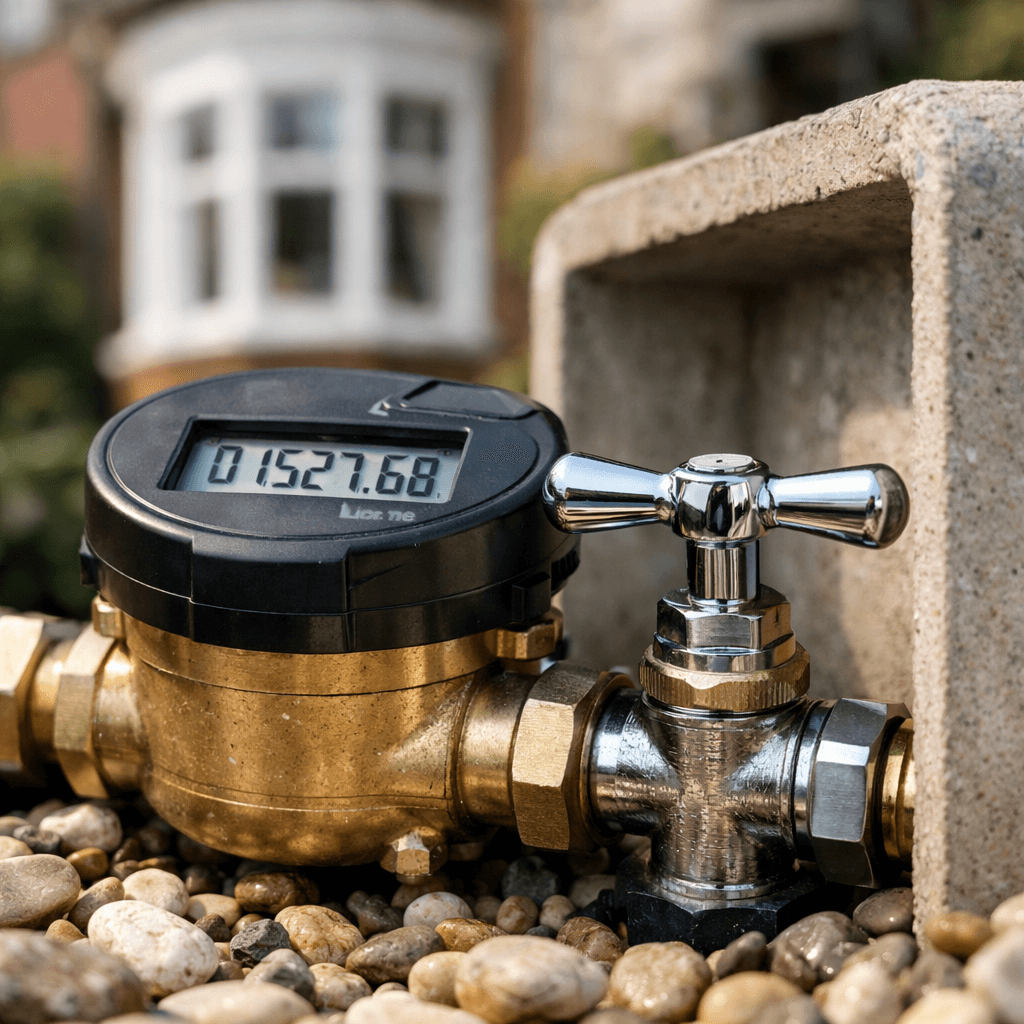
The water main runs beneath your street, and a service pipe branches off to your property. This service pipe connects to your internal stop tap, which is usually located under the kitchen sink, though in older properties you might find it in a cupboard, under the stairs, or even in the cellar. The boundary between the water company's responsibility and yours typically sits at the external stop tap, often found beneath a small metal cover near your property boundary or pavement.
South East England homes commonly have service pipes made from different materials depending on their age. Properties built before the 1970s may still have lead service pipes, which water companies have been gradually replacing. Homes from the 1970s to 1990s often have blue plastic polyethylene pipes, while modern installations typically use high-density polyethylene or barrier pipe systems.
Water pressure in the South East varies considerably depending on your location and elevation. Properties in hilly areas or at the end of long supply routes may experience lower pressure, particularly during peak demand times in the morning and evening. Understanding your typical pressure helps you notice when something changes, which could indicate a leak or problem with the mains supply.
Types of Water Systems in UK Homes
Your home will have one of several water system configurations, and knowing which type you have affects everything from maintenance requirements to the appliances you can install. The three main types found in South East properties are direct systems, indirect systems, and unvented systems.
Direct systems feed mains water directly to all cold taps and appliances throughout the house. This setup is common in modern homes and provides good pressure for showers and appliances. The main advantage is simplicity - fewer components mean fewer potential failure points. However, if the mains supply is interrupted, you have no stored water backup.
Indirect systems are traditional in UK homes, particularly those built before the 1990s. In this setup, mains water feeds the kitchen cold tap and then rises to a cold water storage tank, typically in the loft. This tank then supplies cold water to the bathroom, hot water cylinder, and any other outlets. Many South East homes still operate with this configuration. The storage tank provides a reserve of water during supply interruptions but requires regular inspection to ensure cleanliness and that the ball valve functions correctly.
Unvented systems have become increasingly popular in modern properties and renovations. These systems heat and store water under mains pressure without needing a cold water tank. The result is excellent pressure throughout the house, making power showers genuinely powerful. However, these systems require annual servicing by a qualified professional and have more complex safety mechanisms.
Understanding Your Hot Water Setup
Your hot water configuration works alongside your cold water system and typically falls into one of these categories:
| System Type | Description | Common In |
|-------------|-------------|-----------|
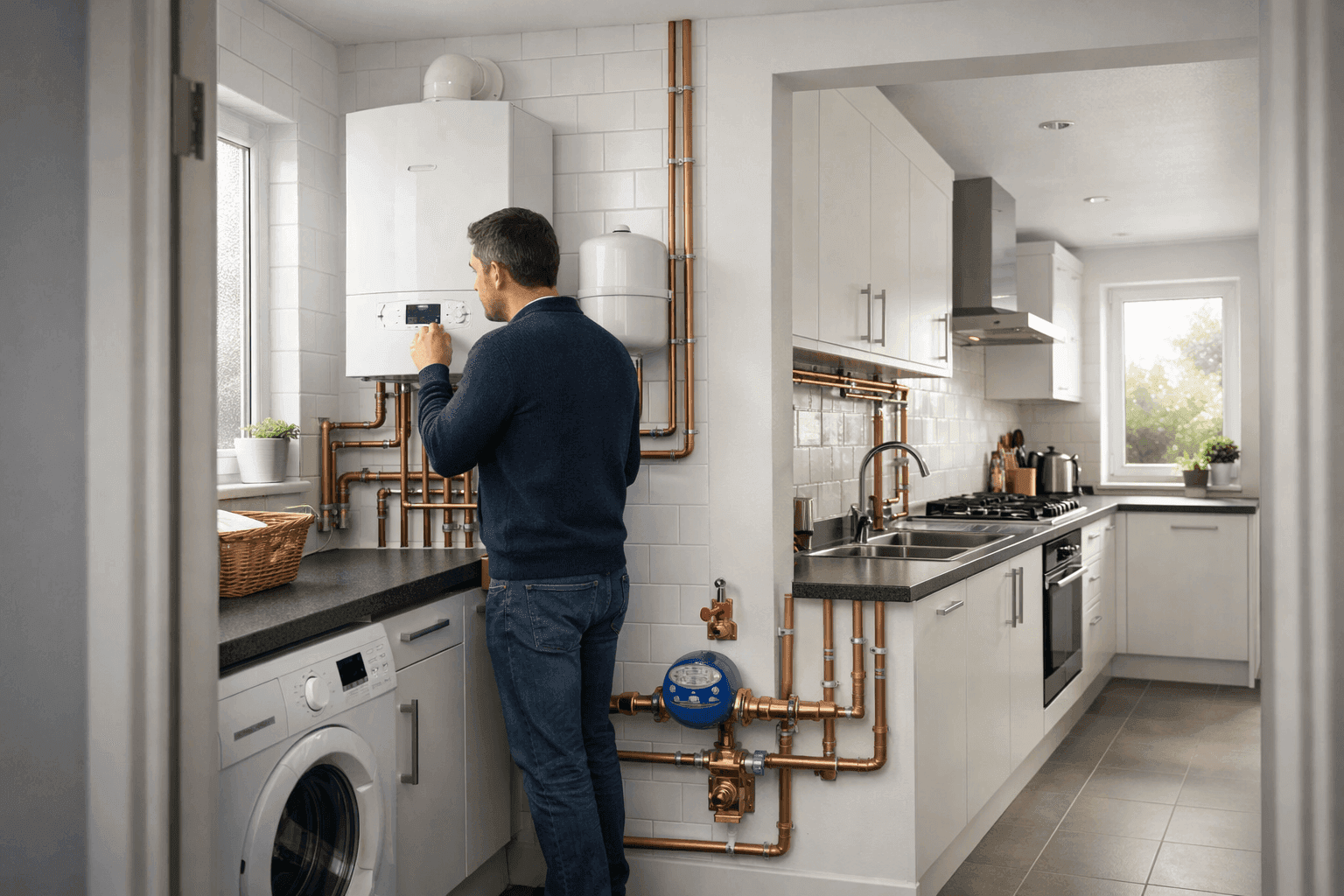
| Combi Boiler | Heats water on demand, no storage tank | Flats, smaller homes |
| System Boiler | Works with unvented cylinder | Medium to large homes |
| Regular Boiler | Uses hot water cylinder and tanks | Older properties |
| Immersion Heater | Electric backup in cylinder | Most cylinder systems |
Hard Water in the South East - What It Means for Your Home
If you live anywhere in the South East, you almost certainly have hard water. This region sits on chalk and limestone geology, which means the water absorbs high levels of calcium and magnesium as it filters through the ground. While perfectly safe to drink, hard water creates challenges for your home that require ongoing attention.
The most visible sign of hard water is limescale - that white, crusty deposit you see around taps, showerheads, and kettle elements. Beyond the cosmetic nuisance, limescale builds up inside pipes, boilers, and appliances where you cannot see it. Over time, this accumulation reduces water flow, forces heating elements to work harder, and shortens the lifespan of washing machines, dishwashers, and hot water cylinders.
The hardness level in the South East typically ranges from 200 to over 400 parts per million, classified as very hard. By comparison, soft water areas in Scotland and Wales often measure below 100 ppm. This extreme hardness means proactive management is essential rather than optional.
Several strategies can help you manage hard water effectively. Descaling kettles monthly with white vinegar keeps them efficient and extends their life. Cleaning showerheads quarterly by soaking them in a descaling solution maintains good water flow. Using limescale-inhibiting tablets in toilet cisterns prevents stubborn buildup. For appliances, using the manufacturer-recommended amount of detergent and running regular maintenance cycles with descaler protects the internal components.
For whole-house solutions, water softeners offer the most comprehensive approach. These systems remove calcium and magnesium through ion exchange, providing genuinely soft water throughout your home. Installation costs typically range from £1,000 to £2,500 including the unit and fitting, with ongoing salt costs of approximately £50 to £100 annually. Many homeowners in the South East consider this investment worthwhile given the extended appliance lifespan and reduced cleaning effort.
Electronic scale inhibitors offer a less expensive alternative, typically costing £100 to £300 installed. These devices do not soften water but alter the behaviour of limescale particles, reducing their tendency to form hard deposits. Results vary, but many homeowners report noticeable improvements, particularly in protecting boilers and pipes.
Your Hot Water Cylinder - Care and Maintenance
If your home has a hot water cylinder, understanding how to maintain it properly can extend its life significantly and keep your energy bills manageable. Cylinders in South East homes face extra challenges due to our hard water, making regular attention even more important.
Hot water cylinders come in two main types - vented and unvented. Vented cylinders work with a cold water tank in the loft and heat water at low pressure. They are simpler systems with fewer safety requirements but deliver lower pressure at hot taps. Unvented cylinders connect directly to the mains and store water under pressure, providing excellent flow rates but requiring annual professional servicing.
The thermostat on your cylinder controls the water temperature and should typically be set between 60 and 65 degrees Celsius. This temperature is hot enough to kill harmful bacteria, including legionella, while not being so high that it wastes energy or creates scalding risks. Some homeowners turn down the temperature to save money, but dropping below 60 degrees creates health risks and is not recommended.
Sediment accumulation affects cylinders in hard water areas particularly badly. As water heats, calcium deposits sink to the bottom of the tank, creating an insulating layer between the heating element and the water. This forces the immersion heater or coil to work harder, increasing energy consumption and wear. Many cylinders have a drain valve at the bottom that allows you to flush out accumulated sediment annually.
The immersion heater in your cylinder serves as either the primary heating source or a backup to your boiler. These elements typically last ten to fifteen years but can fail sooner in hard water areas due to limescale accumulation on the element itself. Signs of a failing immersion heater include water not reaching full temperature, the heater taking much longer than usual, or the element making crackling sounds.
The anode rod is a component many homeowners do not know exists but plays a vital protective role. This sacrificial metal rod sits inside the cylinder and corrodes preferentially, protecting the tank itself from rust. In hard water areas, anode rods may need replacing every three to five years rather than the five to ten years typical elsewhere. If your hot water starts to smell slightly metallic or eggy, a depleted anode rod could be the cause.
Understanding Your Drainage System
While we focus considerable attention on how water enters our homes, the system that removes it deserves equal consideration. Your drainage system works silently and reliably most of the time, but problems can be unpleasant and expensive when they occur.
Internal drainage in your home consists of two separate systems that should never mix. Soil pipes carry waste from toilets to the main drain, while waste pipes handle water from sinks, baths, showers, and appliances. These pipes typically join at or below ground level before connecting to the public sewer.
Every drain connection in your home includes a trap - the U-shaped bend you can see beneath sinks and which exists hidden beneath baths and showers. This trap holds a small amount of water that creates a seal, preventing sewer gases from entering your home. If you notice unpleasant smells from a drain, particularly one you have not used recently, running water to refill the trap often solves the problem immediately.
South East properties often have combined drainage systems where rainwater and foul water share the same pipes. Newer developments typically have separate systems, with rainwater going to soakaways or sustainable drainage systems rather than the public sewer. Knowing your setup matters if you are planning extensions or alterations, as building regulations now require sustainable drainage where possible.
External drainage includes any gullies around your property - the grid-covered drains typically found near external walls beneath kitchen and bathroom windows. These gullies collect water from waste pipes, downpipes, and ground drainage before channelling it to the main drain. Keeping gullies clear of debris, particularly fallen leaves in autumn, prevents blockages and the unpleasant smell of standing water.
The main drain running from your property to the public sewer is your responsibility up to the point it crosses the property boundary. For terraced houses and properties where drains from multiple homes connect before reaching the public sewer, shared drain responsibility can become complicated. In most cases since 2011, these shared drains have become the water company's responsibility, but older arrangements may differ.
Spotting Problems Early - Warning Signs Every Homeowner Should Know

The most valuable skill you can develop as a homeowner is noticing when something changes. Your water system gives plenty of warning signs before major failures, and catching problems early typically means simpler, less expensive repairs.
Pressure changes deserve immediate attention. A sudden drop in pressure throughout your home likely indicates a mains supply issue - check with neighbours to see if they are affected before investigating further. Gradual pressure reduction might suggest limescale buildup or a developing leak. Pressure that drops when multiple outlets operate simultaneously often indicates undersized pipework, particularly common in homes where bathrooms have been added without upgrading the supply.
Strange sounds from your water system tell you something. Water hammer - that loud banging when taps close quickly - indicates air in the pipes or loose pipework. Whistling or whining suggests a partially closed valve or failing washer. Gurgling from drains after using other fixtures typically means a venting problem in the drainage system.
Visible leaks require quick action, even small ones. A dripping tap wastes thousands of litres annually and often indicates wear elsewhere in the system. Damp patches on ceilings below bathrooms suggest seal failures or leaking connections. Water marks on walls near pipes warrant investigation even when dry, as intermittent leaks can cause significant damage over time.
Water discolouration tells you different things depending on its colour. Brown or rust-coloured water usually indicates corroding pipes, either internally or in the mains supply. Milky white water is typically just air bubbles and clears if left to stand. Green or blue tinges suggest copper corrosion from your pipework - this is not harmful in small amounts but indicates aggressive water chemistry that may eventually cause pinhole leaks.
Monitoring your water bill provides an excellent early warning system. A sudden increase without a change in usage strongly suggests a leak somewhere in your system. Many water companies offer free leak detection services for customers, and some provide smart meters that let you monitor usage patterns online.
Seasonal Considerations for South East Homes
Our South East climate, while relatively mild compared to northern regions, still presents seasonal challenges for your water system that deserve attention throughout the year.
Winter preparation becomes critical as temperatures drop, particularly for any exposed pipework. While the South East rarely experiences extreme cold, overnight freezes regularly occur from December through February. Pipes in unheated spaces - lofts, garages, outside walls - face the greatest risk. Lagging exposed pipes costs little but provides essential protection. Opening loft hatches slightly on very cold nights lets warm air circulate around tanks and pipes. If you leave your home unoccupied during winter, setting the heating to maintain at least 12 to 15 degrees prevents frozen pipes and the catastrophic damage that can follow.
Spring checks should include inspecting any outdoor taps and their isolation valves. These components are often forgotten over winter and can develop problems from temperature cycling. Checking gutter and downpipe condition after winter storms ensures proper drainage before April showers arrive. Flushing through any outdoor taps or irrigation systems that have been unused ensures no stagnant water remains in the pipes.
Summer demand in the South East brings its own challenges. Hot weather increases garden watering, car washing, and shower frequency, all straining water supplies. Temporary use restrictions are common in the region during dry summers. Consider installing a water butt to collect rainwater for gardens, and check for dripping outdoor taps that waste water and money.
Autumn maintenance focuses on preparing for the wetter months ahead. Clearing gutters and gully drains of fallen leaves prevents blockages and overflow. Checking external tap connections and considering draining them before winter protects against freeze damage. Servicing your boiler in autumn means any issues are discovered before you rely on it heavily through winter.
When to Call a Professional
While understanding your water system empowers you to handle minor maintenance and spot problems early, some situations require professional expertise. Knowing when to call for help protects both your home and your safety.
Any work involving the mains supply or connections to the water company's pipework requires a qualified plumber with appropriate accreditation. Gas-related work, including boiler servicing and repairs, must legally be carried out by Gas Safe registered engineers. Unvented hot water systems require annual servicing by someone qualified to work on pressurised systems.
Signs that warrant professional assessment include persistent low pressure without explanation, discoloured water that does not clear, recurring drain blockages despite treatment, any smell of gas or unusual odours from the boiler, and water damage without a visible source. If you are ever unsure, consulting a qualified professional provides peace of mind and may prevent a minor issue from becoming a major problem.
When selecting a professional, checking appropriate qualifications and insurance matters. Asking for references from local work helps gauge reliability. Getting multiple quotes for significant work ensures fair pricing. A reputable tradesperson will happily explain what needs doing and why, helping you understand your home better.
Frequently Asked Questions
Where is my internal stop tap?
Most commonly found under the kitchen sink, but also check under stairs cupboards, cellars, or garages in older properties. Turn it clockwise to close. Test it annually to ensure it operates freely - a seized stop tap is useless in an emergency.
How often should I service my boiler?
Annual servicing is recommended for all boilers and required to maintain most warranties. For combi boilers in hard water areas like the South East, this is particularly important as the heat exchanger faces accelerated limescale buildup.
Can I drink water from the bathroom tap?
In homes with indirect systems where bathroom cold taps feed from a storage tank, drinking this water is not recommended. The storage tank can harbour bacteria and may contain debris. Kitchen cold taps connect directly to the mains and are safe for drinking.
Why does my hot water run out quickly?
If your hot water capacity has decreased, common causes include a failing immersion heater, limescale buildup reducing effective cylinder capacity, or a thermostat set too low. In indirect systems, check that the cold water tank is filling properly.
What causes water hammer?
The banging sound when taps close occurs when flowing water suddenly stops, creating a pressure wave. Causes include worn tap washers, high mains pressure, loose pipes, or failed air chambers in the system. While annoying, it rarely causes damage but may indicate underlying issues worth addressing.
How do I know if I have a leak?
Turn off all water-using appliances, take a meter reading, wait two hours without using any water, then read the meter again. Any movement suggests a leak. Unexplained wet patches, mould growth, or increased bills without usage changes also indicate possible leaks.
Is hard water harmful to health?
No - hard water is safe to drink and some studies suggest the minerals provide minor health benefits. The challenges are entirely practical, relating to limescale buildup in pipes and appliances, skin and hair feel after washing, and the need for more soap and detergent.
Taking Control of Your Home Water System
Understanding your water system transforms you from a passive resident into an informed homeowner capable of maintaining your property properly and making sound decisions about improvements. The knowledge you have gained about how water enters your home, the type of system you have, the challenges of hard water in the South East, and how to spot problems early will serve you well for years to come.
Regular attention to your water system prevents most emergency situations. Monthly checks of visible pipes and taps take moments but catch developing problems. Seasonal maintenance tasks, when done consistently, keep everything flowing smoothly. The investment in understanding now pays dividends in avoided emergencies and extended equipment life.
For those times when professional help is needed, being an informed homeowner means you can have productive conversations with tradespeople, understand what they propose to do and why, and feel confident that work is necessary rather than just accepting recommendations blindly.
Home+ is here to support your journey as a homeowner, connecting you with trusted professionals when you need expert help while providing the knowledge you need to care for your property confidently. Whether you are dealing with a specific issue or simply want to understand your home better, having the right support makes all the difference.
Top Tip:
This guide was researched and structured with AI assistance and reviewed for accuracy by our editorial team.