Winter Home Preparation: Your Complete Guide for South East England
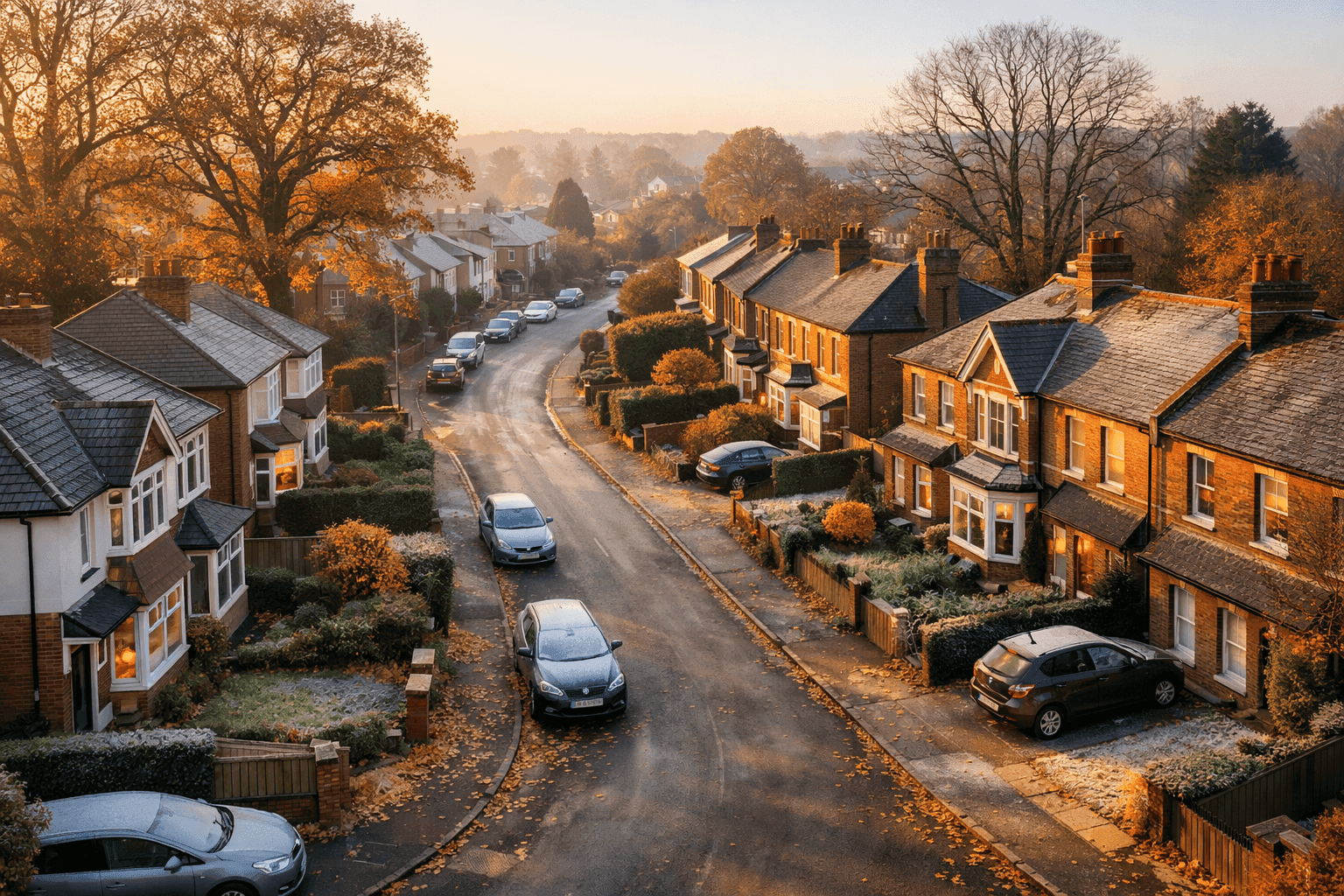
As autumn fades and winter approaches across South East England, homeowners face the familiar challenge of preparing their properties for the colder months ahead. The region's temperate maritime climate brings its own unique considerations - from occasional heavy frosts to persistent damp conditions that can affect everything from your heating system to your roof tiles.
Winter preparation isn't just about staying warm; it's about protecting your home's structure, preventing costly damage, and ensuring your family's safety during the coldest months of the year. With energy costs remaining a significant concern for UK households, proper winter preparation can also help you maintain a comfortable home whilst managing your bills effectively.
The good news is that most winter preparation tasks are well within the capabilities of the average homeowner. With some planning, basic tools, and a systematic approach, you can safeguard your property against winter's challenges whilst potentially saving hundreds of pounds on emergency repairs and energy costs.
Understanding Your Home's Winter Vulnerabilities

Every home in South East England faces similar winter challenges, though the specific risks can vary depending on your property type and age. Victorian and Edwardian terraced houses, common throughout the region, often struggle with heat loss through original single-glazed windows and solid walls. Post-war semi-detached properties might have cavity walls that aren't insulated, whilst modern homes may have different ventilation requirements that affect moisture control.
The region's relatively mild winters can be deceptive. Temperatures rarely drop to the extremes seen in northern England or Scotland, but the combination of humidity, occasional sharp frosts, and persistent damp conditions creates its own challenges. Pipes in unheated spaces can still freeze, condensation can become problematic, and heating systems that seemed adequate in autumn may struggle during prolonged cold spells.
Understanding your home's specific vulnerabilities helps you prioritise your preparation efforts. Walk around your property with a critical eye, noting areas where cold air might enter, where pipes are exposed, and where water could potentially cause problems. This initial assessment forms the foundation of your winter preparation strategy.
Heating System Maintenance and Efficiency
Your heating system works hardest during winter, making pre-season maintenance essential for both efficiency and safety. Most homes in South East England rely on gas combi boilers, which require annual servicing to maintain their warranty and ensure safe operation. However, there's plenty you can do yourself to keep your system running smoothly.
Start by bleeding your radiators if you notice cold spots or hear gurgling sounds. This simple task removes trapped air that prevents hot water from circulating properly. Check that all radiator valves are functioning correctly - thermostatic radiator valves (TRVs) should move freely and respond to temperature changes.
Inspect your boiler's pressure gauge; most combi boilers operate optimally between 1 and 2 bar pressure. If the pressure is low, you can usually top it up yourself using the filling loop, though consult your boiler manual for specific instructions. Clean or replace heating system filters if your system has them, as blocked filters force your boiler to work harder and consume more energy.
Consider upgrading to a smart thermostat if you haven't already. These devices can learn your heating patterns and adjust temperatures automatically, potentially reducing your energy consumption by 10 to 15 percent. They're particularly beneficial in South East England's variable climate, where heating needs can change dramatically from day to day.
For homes with older radiators, consider fitting reflective panels behind radiators on external walls. These inexpensive additions reflect heat back into the room rather than allowing it to warm the wall, improving efficiency without major expense.
Insulation and Draught Proofing Strategies
Effective insulation is your first line of defence against winter cold and high energy bills. South East England's housing stock varies enormously in age and construction type, but most properties can benefit from improved insulation and draught proofing.
Loft insulation should be at least 270mm thick for optimal performance. If your loft insulation is less than this, or if it's more than 20 years old, consider topping it up. Modern insulation materials are more effective than older products, and the energy savings often justify the investment within a few years.
Don't overlook the loft hatch itself - it's often a significant source of heat loss. Fit draught strips around the edges and consider adding insulation to the hatch itself. Similarly, seal any gaps around loft-mounted water tanks or pipework that could allow warm air to escape.
For cavity walls, professional insulation installation can dramatically improve your home's thermal performance. However, you can tackle solid walls yourself by adding internal insulation boards or improving external insulation where planning permission allows.
Draught proofing is often the most cost-effective winter preparation measure. Use self-adhesive foam strips, brush strips, or rubber seals around windows and doors. Pay particular attention to older sash windows, which can be significant sources of heat loss. Even temporary measures like thick curtains or draught excluders can make a noticeable difference to comfort levels.
Check for gaps around pipes where they enter your home, particularly under kitchen sinks or where the gas supply enters. These small gaps can let in surprising amounts of cold air and are easily sealed with expanding foam or appropriate sealants.
Plumbing Protection and Pipe Maintenance
Frozen pipes remain one of the most common and costly winter home problems, even in South East England's relatively mild climate. The key is understanding where your pipes are vulnerable and taking preventive action before cold weather arrives.
Locate your internal stop valve and ensure everyone in your household knows where it is and how to turn it off. This becomes crucial if a pipe does burst, as quickly stopping the water supply can prevent extensive damage. Test the valve now to ensure it turns easily - if it's stiff or won't move, apply penetrating oil and work it gently, or consult a plumber if it seems seized.
Insulate exposed pipes in unheated areas such as lofts, garages, and basements. Pipe insulation is inexpensive and easy to install - simply split the foam tubes and wrap them around the pipes, sealing joints with tape. Pay particular attention to pipes near external walls or in roof spaces, where temperatures drop most quickly.
For pipes that can't be easily insulated, such as those in cavity walls, consider installing pipe heating cable. These low-energy electric cables prevent freezing and can be more cost-effective than dealing with burst pipe damage.
External taps require special attention. Turn off the internal isolation valve that supplies outdoor taps and open the external tap to drain any remaining water. If there's no isolation valve, consider fitting tap jackets or removing hoses and covering taps with insulating material.
Service your immersion heater if you have one, checking the thermostat setting and ensuring the insulation around the cylinder is adequate. Modern cylinder jackets should be at least 80mm thick - if yours is thinner or showing signs of wear, upgrading can reduce heat loss significantly.
Roof and Guttering Winter Checks
Your roof and guttering system work overtime during winter, dealing with increased rainfall, potential snow loads, and freeze-thaw cycles that can exacerbate existing problems. A systematic check now can prevent major issues later.
From ground level, inspect your roof tiles or slates for obvious damage, missing pieces, or sagging areas that might indicate structural problems. Use binoculars to get a closer look without climbing onto the roof yourself. Look particularly for cracked or slipped tiles that could allow water penetration during winter storms.
Clean your gutters thoroughly, removing leaves, moss, and debris that could cause blockages. In South East England's tree-lined areas, autumn leaf fall can quickly overwhelm guttering systems. Blocked gutters can overflow, causing damp problems in walls or even foundation issues if water consistently runs down external walls.
Check that gutters are securely fixed and properly aligned - they should slope gently toward downpipes without any obvious sags or gaps. Look for rust spots on metal guttering or cracks in plastic systems that might worsen with freeze-thaw cycles.
Inspect downpipes to ensure they're clear and properly connected. Pour water down each downpipe to check it flows freely - any gurgling or slow drainage suggests a blockage that needs clearing before winter arrives.
If you have a flat roof or dormer windows, check the condition of the waterproof membrane and ensure drainage outlets are clear. Flat roofs are particularly vulnerable to standing water that can freeze and cause structural damage.
Window and Door Weatherproofing

Windows and doors are major sources of heat loss in most homes, but they're also areas where homeowners can make significant improvements without major expense or disruption.
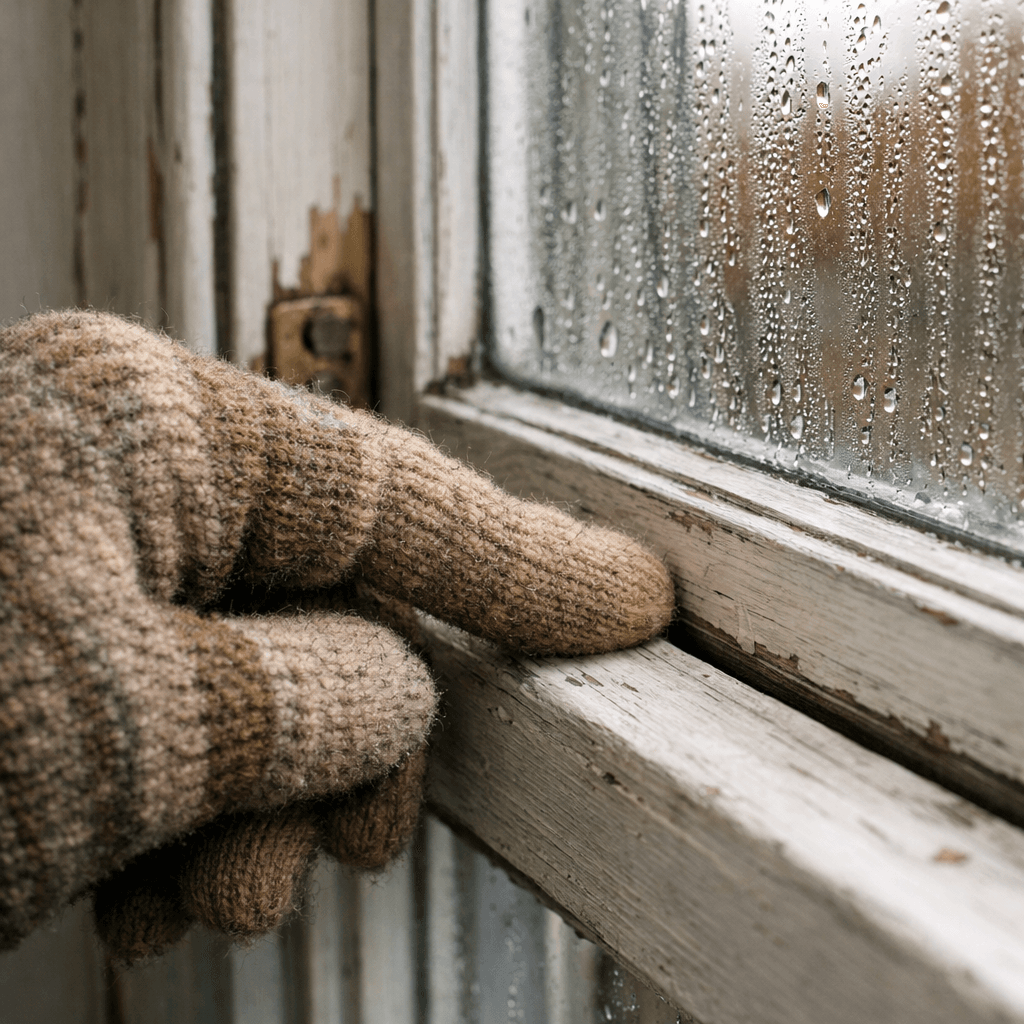
Check window frames for signs of decay, particularly on wooden frames that may have suffered during wet autumn weather. Small areas of soft or flaking wood can be treated with wood hardener and filled, but extensive decay might require professional attention before winter arrives.
Test all windows to ensure they close properly and lock securely. Sash windows in older properties often need adjustment - the sashes should fit snugly in their frames without rattling. If windows won't close fully, they can't provide effective thermal protection.
Replace worn or missing putty around window panes, as gaps here allow significant heat loss and can let in moisture that damages frames over time. Modern elastic sealants are easier to apply than traditional linseed oil putty and provide better long-term performance.
For doors, check the condition of weather strips around the frame and replace them if they're compressed, cracked, or missing altogether. External doors should close firmly against the weather strips without requiring excessive force.
Consider fitting door curtains or thermal blinds to add an extra layer of insulation, particularly beneficial for single-glazed windows or doors. These can reduce heat loss by up to 25 percent and create a more comfortable environment near windows during cold weather.
Garden and External Area Preparation
Winter preparation extends beyond your home's interior to garden areas and external structures that can affect your property's condition and your family's safety.
Trim tree branches that overhang your roof or are close to power lines. Winter storms can bring down weakened branches, potentially causing significant damage. Focus particularly on dead or diseased wood that's more likely to fail in high winds.
Clean and store garden furniture that won't be used during winter. Metal furniture should be dried thoroughly and treated for rust if necessary, whilst wooden pieces benefit from cleaning and oiling before storage. Proper storage extends furniture life and prevents items from becoming hazards in winter storms.
Check fencing for loose panels or posts that might not survive winter weather. Repair or reinforce weak sections now, as emergency repairs during winter storms are both dangerous and expensive.
Clear drainage channels and gullies around your property to ensure surface water can drain freely. Blocked drains can cause flooding during heavy winter rain, potentially affecting your home's foundations or causing damp problems in basements or ground floor rooms.
If you have external water features like ponds, consider installing a pond heater or floating device to prevent complete freezing, which can damage both the structure and any fish or plants you're overwintering.
Emergency Preparedness and Safety Measures
Winter weather can be unpredictable, and being prepared for emergencies helps ensure your family's safety and minimises property damage when problems arise.
Assemble a winter emergency kit including torches, batteries, candles, matches, a battery-powered radio, and basic tools. Keep bottled water and non-perishable food available in case of power cuts or severe weather that prevents shopping trips.
Know how to turn off your home's main utilities - water, gas, and electricity. Label switches and valves clearly so they can be found quickly in an emergency. Keep a basic toolkit accessible, including adjustable spanners for emergency plumbing repairs.
Check your smoke and carbon monoxide detectors, replacing batteries even if they seem to be working. Heating systems work harder in winter, increasing the risk of carbon monoxide production, whilst increased use of candles and fires raises fire risks.
Consider investing in a carbon monoxide detector if you don't have one, particularly important if you have gas appliances or use alternative heating sources. Modern detectors are inexpensive but can provide early warning of potentially fatal gas leaks.
Keep a supply of rock salt or ice melt for pathways and drives. This improves safety for your family and visitors whilst potentially reducing your liability if someone is injured on icy surfaces around your property.
Energy Efficiency and Cost Management
With energy costs remaining high, winter preparation should include strategies to manage heating bills whilst maintaining comfort. Small changes can accumulate to significant savings over the heating season.
Time your heating carefully using programmable thermostats or smart controls. Heating your home only when needed can reduce consumption by 20 percent or more compared to leaving heating on constantly at lower temperatures.
Make the most of natural heating by opening curtains and blinds on sunny days to let solar energy warm your home, then closing them at dusk to trap the heat inside. Even winter sunshine can contribute meaningfully to your home's warmth.
Consider zone heating for large properties - heating only the rooms you're using rather than the entire house. Modern thermostatic radiator valves make this easier to manage effectively.
Review your energy tariff and consider switching if you haven't done so recently. Energy markets remain competitive, and newer tariffs often offer better value than older arrangements, particularly if your usage patterns have changed.
Energy Saving Measures Comparison
| Measure | Cost | Potential Annual Saving | Difficulty |
|---------|------|-------------------------|------------|
| Draught proofing | £50 to £150 | £100 to £300 | Easy |
| Smart thermostat | £150 to £300 | £200 to £400 | Moderate |
| Radiator reflectors | £30 to £80 | £50 to £150 | Easy |
| Loft insulation top-up | £200 to £500 | £300 to £600 | Moderate |
Frequently Asked Questions
When should I start winter preparation for my home?
Begin preparation in late September or early October, before the first cold snaps arrive. This gives you time to complete tasks methodically and source materials or professional help if needed without the urgency of emergency repairs.
How do I know if my home's insulation is adequate?
Check loft insulation depth - it should be at least 270mm for modern standards. If you can see the tops of joists, you likely need more insulation. For cavity walls, contact your local authority who may offer grants for insulation surveys.
What's the most cost-effective winter preparation measure?
Draught proofing typically offers the best return on investment. It's inexpensive, can be done by homeowners, and often provides immediate comfort improvements whilst reducing heating costs.
Should I leave heating on constantly during cold weather?
It's more efficient to heat your home only when needed using programmable controls. Constant low-level heating uses more energy than heating to comfort temperature when you're present and lowering it when you're away or sleeping.
How can I prevent pipes from freezing without major expense?
Insulate exposed pipes with foam tube insulation, keep cupboard doors open during very cold weather to allow warm air to circulate around pipes, and let taps drip slightly during extreme cold snaps to prevent freezing.
What should I do if I discover a problem I can't fix myself?
Don't attempt repairs beyond your skill level, particularly with gas, electricity, or structural issues. Consult qualified professionals promptly - winter emergency repairs are typically more expensive than planned maintenance.
How often should I check my preparations during winter?
Do a brief monthly check of key areas like gutters, heating system pressure, and vulnerable pipes. After severe weather, inspect for any new problems that might need attention.
Winter preparation for your South East England home doesn't have to be overwhelming or expensive. By taking a systematic approach and focusing on the areas that matter most, you can protect your property, ensure your family's comfort, and potentially save significant money on both energy bills and emergency repairs. Start early, work methodically, and don't hesitate to seek professional help when you need it.
Need help maintaining your home through winter and beyond? Home+ connects you with trusted local professionals who understand the unique challenges facing South East England homeowners, helping you keep your property in excellent condition year-round.
Top Tip:
This guide was researched and structured with AI assistance and reviewed for accuracy by our editorial team.