
Getting Your Home Winter-Ready: A Complete Thames Valley Guide
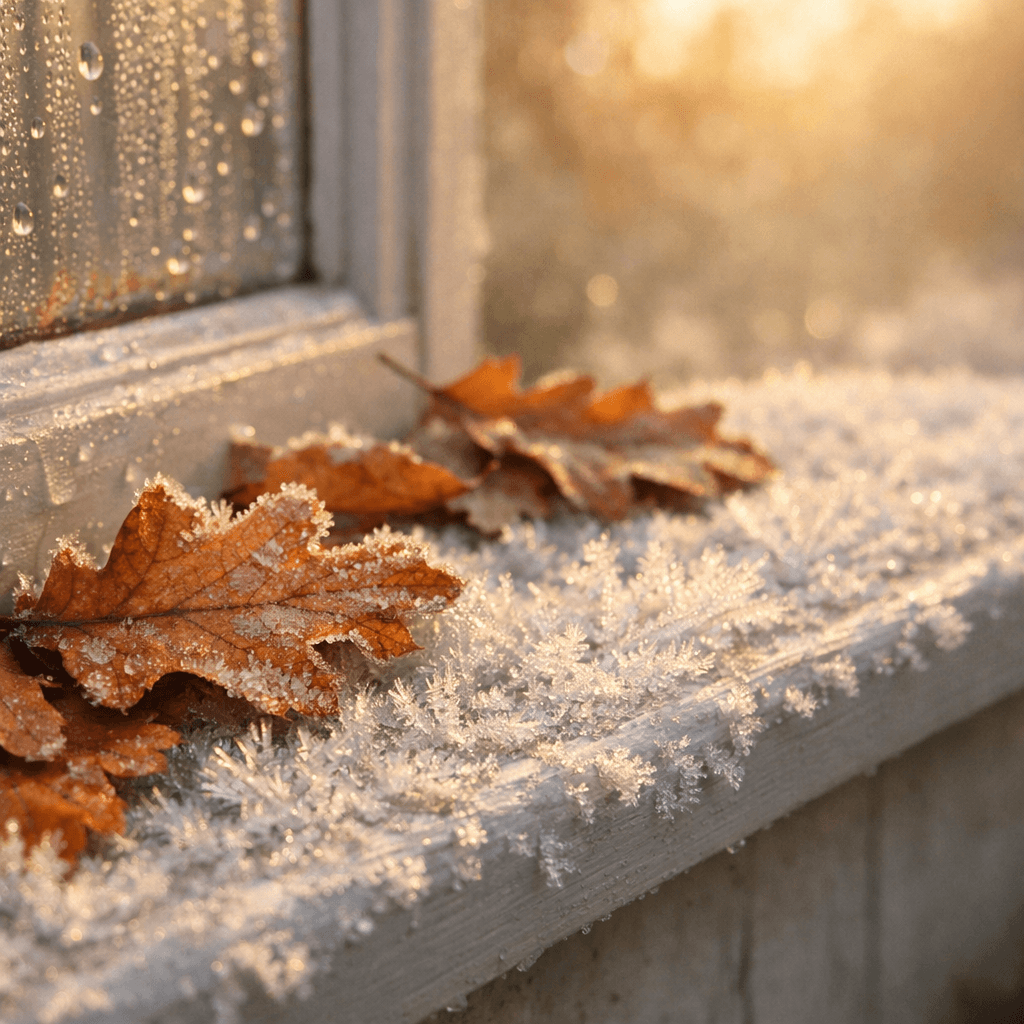
As the golden leaves of autumn begin to carpet gardens across the Thames Valley, there is a gentle reminder in the crisp morning air that winter is approaching. For homeowners in this beautiful region stretching from the Chiltern Hills to the ancient woodlands of Berkshire, the changing season brings specific challenges that deserve your attention before the first frost settles on your windowpills.
The Thames Valley enjoys a relatively mild climate compared to northern regions, but our proximity to the river and the characteristic clay-heavy soils create unique considerations for home maintenance. The morning mists that roll across the valley, whilst picturesque, bring sustained dampness that can test even the most robust property. Understanding these regional factors helps you prepare effectively and avoid the costly emergency repairs that catch so many homeowners off guard each winter.
This comprehensive guide walks you through every aspect of winter preparation, from the tiles on your roof to the foundations beneath your feet. Whether you live in a Victorian terrace, a 1930s semi-detached, or a modern new-build estate home, you will find practical advice tailored to keeping your property safe, warm, and efficient throughout the colder months.
Understanding Your Home's Vulnerabilities

Before diving into specific tasks, it helps to understand why certain homes in the Thames Valley face particular winter challenges. The geology of our region plays a significant role in how properties behave through the seasons.
Many homes in the Thames Valley sit on London clay, which expands when wet and contracts when dry. This seasonal movement can stress foundations and cause minor cracks to appear in walls and around windows. While this is usually cosmetic, it is worth monitoring any existing cracks before winter arrives. Take photographs with a ruler beside them for reference, and check again in spring to assess any changes.
Properties near the Thames and its tributaries face elevated humidity levels throughout winter. This increased moisture in the air makes condensation more likely, particularly in older homes with single glazing or poor ventilation. Understanding this allows you to take preventative steps rather than battling mould and damp reactively.
The Thames Valley also experiences what meteorologists call temperature inversions during winter, where cold air becomes trapped in the valley overnight. This can result in temperatures several degrees lower than surrounding higher ground, making frost protection particularly important for exposed pipework and outdoor taps.
Roof and Guttering Inspection
Your roof serves as the first line of defence against winter weather, and autumn is the ideal time to assess its condition. You do not need to climb onto the roof yourself, as binoculars from ground level can reveal most issues worth noting.
Look carefully for any slipped, cracked, or missing tiles. In the Thames Valley, many older properties feature traditional clay tiles that can become porous with age, allowing moisture to penetrate. Newer concrete tiles are more robust but can crack from impact damage. Any daylight visible through the roof space when you check from the loft indicates gaps that need attention before winter rains arrive.
Pay particular attention to the areas around chimneys, dormer windows, and where different roof sections meet. The flashing in these vulnerable spots tends to deteriorate over time, and failed flashing is one of the most common causes of winter roof leaks. Lead flashing should look smooth and properly bedded into mortar joints. Any lifting, cracking, or gaps warrant professional assessment.
Guttering deserves equal attention. The abundant tree coverage across the Thames Valley means autumn brings substantial leaf fall, and blocked gutters cause more problems than many homeowners realise. When rainwater cannot flow freely, it overflows down walls, saturating brickwork and potentially causing damp issues inside. Worse still, standing water in blocked gutters can freeze, causing joints to separate and downpipes to crack.
Clear all debris from gutters and check that water flows freely through downpipes. A simple test involves pouring a bucket of water into the gutter at the highest point and watching it travel to the downpipe. Any pooling indicates a sagging section or blockage requiring attention. Consider installing gutter guards if nearby trees make frequent clearing necessary.
Typical Roof Maintenance Costs
| Task | Price Range | Frequency |
|------|-------------|-----------|
| Gutter clearing | £75 to £150 | Twice yearly |
| Roof inspection | £100 to £200 | Annually |
| Replacing individual tiles | £80 to £160 | As needed |
| Repointing ridge tiles | £300 to £600 | Every 15 to 20 years |
Heating System Preparation
Your boiler works hardest during winter, making autumn the perfect time to ensure it is ready for the increased demand. Most heating engineers recommend an annual service, ideally before the cold weather arrives when appointment availability becomes limited.
During a service, an engineer will check all safety components, clean internal parts, and assess overall efficiency. For homes with gas boilers, this is not merely about comfort but safety. A poorly maintained boiler can produce carbon monoxide, an odourless gas that claims lives every year. Ensure your carbon monoxide detectors are working and have fresh batteries fitted.
Beyond the boiler itself, consider your entire heating system. Radiators that feel cold at the top but warm at the bottom contain trapped air and need bleeding. This simple task requires only a radiator key and takes just minutes per radiator. Start with the radiator furthest from the boiler and work your way back, remembering to check the boiler pressure afterwards and top up if necessary.
If you notice any radiators that remain cold entirely, or strange noises from the system such as banging or gurgling, these symptoms suggest issues worth investigating before you rely on the heating daily. Sludge buildup in systems is common in hard water areas of the Thames Valley, and a powerflush can restore efficiency to tired systems.
For homes with older heating systems, consider whether your controls are working effectively. A programmable thermostat that allows different temperatures at different times can significantly reduce energy bills. Many homeowners in larger Thames Valley properties find that thermostatic radiator valves on individual radiators help balance the system and avoid overheating certain rooms.
Window and Door Draught-Proofing
Heat escapes most readily through gaps around windows and doors, making draught-proofing one of the most cost-effective winter preparations you can undertake. Stand near each window and door on a windy day, and you will quickly identify the problem areas by feeling cold air entering.
Victorian and Edwardian properties, so common across the Thames Valley, often feature beautiful original sash windows that were never designed with energy efficiency in mind. While replacement is one option, many homeowners prefer to preserve these characterful features. Draught-proofing strips specifically designed for sash windows can reduce heat loss dramatically while maintaining the ability to open them.
For casement windows and doors, self-adhesive foam strips provide an economical solution, though they typically need replacing annually. More durable options include brush strips and rubber seals that can last many years. Pay particular attention to the threshold beneath external doors, where significant gaps often exist. Brush-style excluders or rising butt hinges can address this without impeding the door's operation.
Letter boxes represent another common draught source. A simple internal cover or brush plate makes a noticeable difference, particularly if your front door opens directly into a living space rather than a hallway.
Secondary glazing offers another option for period properties where replacing original windows would be inappropriate or prohibited. Modern magnetic systems can be fitted during winter months and removed for summer, providing a meaningful improvement in both warmth and noise reduction without permanent alteration.
Plumbing and Pipe Protection
Frozen pipes cause misery for thousands of homeowners each winter, yet the damage is almost entirely preventable with proper preparation. Understanding which pipes in your home are vulnerable helps you target protective measures effectively.
Pipes running through unheated spaces face the greatest risk. This includes loft spaces, garages, outbuildings, and external walls. In the Thames Valley, many homes also have external taps for garden use, and the pipework feeding these represents a common failure point.
Lagging exposed pipes is straightforward and inexpensive. Foam pipe insulation is available from any DIY store and simply clips around the pipe. Pay particular attention to joints and bends, using tape to secure insulation at these vulnerable points. For pipes in loft spaces, consider whether your loft insulation might actually be making the situation worse by keeping heat in the rooms below rather than warming the loft space. Ensuring pipes run above the insulation level, or are heavily lagged themselves, addresses this concern.
External taps should be turned off at the internal stopcock serving them, and the tap itself opened to allow any remaining water to drain. Many modern properties have isolating valves specifically for this purpose. If your home lacks this feature, adding one is a relatively minor plumbing job worth considering.
Know where your main stopcock is located and check that it turns freely. Stopcocks that have not been operated for years can seize, creating disaster when you need to shut off water urgently. Turn it fully off and on again at least once annually to keep the mechanism working smoothly.
Chimney and Fireplace Safety

If your home has open fires or wood-burning stoves, autumn is the time for chimney sweeping. The cosy fires of last winter will have deposited soot and potentially creosote in the flue, both of which can ignite if allowed to accumulate.
A professional chimney sweep will remove these deposits and inspect the flue for any damage. They can identify cracks, failed mortar joints, or bird nests that could cause problems. Most sweeps recommend annual cleaning for regularly used fireplaces, though very frequent use may warrant twice-yearly attention.
For chimneys that are no longer used, consider whether they are properly ventilated. Capping a chimney completely can cause condensation problems inside the flue, eventually leading to damp patches on chimney breasts. A ventilated cap allows airflow while preventing rain and bird entry.
Wood-burning stoves require additional attention. Check door seals for wear and ensure the glass is intact. The rope seal around the door compresses over time and will eventually need replacement. A well-sealed stove burns more efficiently and safely. Also inspect the flue pipe connecting the stove to the chimney for any corrosion or joint separation.
If you burn wood, ensure your fuel has been properly seasoned. Wood needs at least 18 months of drying to burn cleanly and efficiently. Burning wet wood produces more smoke, more creosote buildup, and significantly less heat. A moisture meter provides a quick way to check whether wood is ready to burn, and the reading should be below 20 percent.
Garden and External Area Preparation
Your garden requires attention before winter, both to protect plants and structures and to ensure safety around your property. The Thames Valley's relatively mild winters mean some garden tasks differ from colder regions, but several remain essential.
Begin by clearing fallen leaves from lawns, paths, and patios. Leaves left on grass can cause yellow patches and encourage fungal diseases. On hard surfaces, decomposing leaves become slippery and dangerous. Compost healthy leaves for use as mulch next year, but dispose of any showing signs of disease to prevent spreading problems.
Tender plants need protection before the first frost. The Thames Valley typically experiences its first frost in late October or November, though riverside and valley-floor locations may see earlier cold snaps. Move potted tender plants to sheltered positions or into greenhouses. For plants in the ground, horticultural fleece provides protection during cold spells.
Check garden structures including sheds, greenhouses, and fences. Loose panels or broken glass become dangerous in winter storms. Repair or replace damaged sections now while the weather permits comfortable outdoor work. A shed with a leaking roof will emerge from winter with damaged contents and potentially rotting timbers.
External taps and irrigation systems deserve winterising attention as discussed in the plumbing section. Drain any hoses and store them coiled in a frost-free location. This prevents the rubber perishing and extends their useful life considerably.
Garden furniture should be cleaned and stored or covered. Even weather-resistant furniture benefits from protection during winter months. Metal furniture can rust at damaged paint spots, wooden furniture absorbs moisture that can cause cracking when it freezes, and fabric cushions simply become unpleasant if left exposed.
Insulation Assessment and Improvement
With energy costs remaining a significant concern for Thames Valley homeowners, autumn provides an ideal opportunity to assess your home's insulation and consider improvements before winter heating bills arrive.
Loft insulation offers the most accessible starting point. Current recommendations suggest a minimum of 270mm of mineral wool insulation between and over joists. Many older properties have far less than this, and topping up represents one of the simplest and most cost-effective home improvements available. The work is straightforward enough for confident DIY enthusiasts, though the dusty and cramped conditions lead many homeowners to prefer professional installation.
Wall insulation depends entirely on your property type. Homes built after 1920 typically have cavity walls that may be suitable for cavity wall insulation. Pre-1920 solid wall properties require external or internal wall insulation, which involves considerably greater expense and disruption. If you are unsure whether your walls have cavities, a surveyor can advise, though thicker walls at the window reveal often indicate solid construction.
Floor insulation is frequently overlooked but can make a noticeable difference, particularly in homes with suspended timber floors common in Victorian and Edwardian properties. Draughts through floorboards contribute significantly to heat loss and discomfort. Sealing gaps between boards with flexible filler helps, though this works better on varnished floors than carpeted ones where access requires lifting floor coverings.
For more comprehensive assessment, consider an energy performance certificate evaluation or a thermal imaging survey. Thermal imaging can reveal exactly where heat is escaping, helping you prioritise improvements for maximum benefit.
Home Insulation Options and Benefits
| Insulation Type | Typical Cost | Expected Savings | Lifespan |
|-----------------|--------------|------------------|----------|
| Loft top-up | £300 to £500 | £150 to £250 per year | 40+ years |
| Cavity wall | £500 to £1500 | £150 to £300 per year | 25+ years |
| Draught-proofing | £100 to £300 | £50 to £100 per year | 5 to 10 years |
| Hot water cylinder jacket | £15 to £30 | £35 to £50 per year | 10+ years |
Emergency Preparedness
Despite the best preparation, winter storms and severe weather can cause unexpected problems. Having supplies ready and a plan in place helps you respond calmly to difficulties.
Keep a torch with fresh batteries readily accessible rather than buried in a drawer. Power cuts, while uncommon, do occur during winter storms. A battery-powered or wind-up radio allows you to receive updates if telecommunications are also affected. Consider keeping a small stock of batteries, candles, and matches where you can easily find them in darkness.
Know how to manually override any electrically operated systems in your home. This includes garage doors, gates, and some central heating controls. The time to learn these procedures is now, not during an emergency.
Keep contact numbers for essential services somewhere accessible, including your energy supplier's emergency line, water company, and local council. While mobile phones store most contacts digitally, a power cut might leave you unable to access these if your phone battery dies.
A basic toolkit helps address minor issues before they become major problems. As a minimum, include a pipe repair clamp or repair tape for emergency leak management, a heavy-duty torch, adjustable spanners, and screwdrivers. Knowing how to shut off water, gas, and electricity to your property is essential knowledge for every homeowner.
If your home relies on oil heating, check your tank level and order a refill before winter demand pushes up prices and extends delivery times. Running out of oil in January means cold days waiting for delivery when suppliers are at their busiest.
Frequently Asked Questions
When should I have my boiler serviced for winter?
Ideally, arrange your annual boiler service in September or October. This timing ensures any issues are identified and resolved before you need the heating daily, and appointments are much easier to secure before the winter rush. Most manufacturers recommend annual servicing to maintain warranty validity.
How can I tell if my pipes are at risk of freezing?
Pipes most vulnerable to freezing run through unheated spaces such as lofts, garages, and external walls. You can often trace pipe runs by looking for access panels or checking in the loft. Any pipe you can see and touch in an unheated area needs lagging. Also check for pipes near airbricks or ventilation openings where cold air enters.
Is it worth getting cavity wall insulation?
For suitable properties, cavity wall insulation offers excellent value with typical payback periods of just five to seven years through reduced heating costs. However, not all cavities are suitable, and poorly installed cavity insulation in inappropriate situations can cause damp problems. A reputable surveyor should assess suitability before installation proceeds.
What temperature should I keep my home in winter?
The World Health Organisation suggests 18 degrees Celsius for healthy adults, rising to 21 degrees for the elderly, very young, or those with health conditions. Letting temperatures drop too low risks damp and condensation problems regardless of personal comfort preferences. If you are away, maintain at least 12 to 15 degrees to protect plumbing and prevent condensation.
How often should I check my roof in winter?
A visual inspection from ground level after any significant storm or high winds is sensible. You are looking for obvious damage such as missing or slipped tiles. After heavy snow, check that the weight is not causing any visible sagging, though this is rare in the Thames Valley. A professional inspection every two to three years helps identify developing problems.
Should I leave heating on constantly or use a timer?
Using a timer to heat your home when you need it is generally more efficient than constant low-level heating. Modern condensing boilers work most efficiently when running at higher outputs for shorter periods rather than ticking over constantly. However, in extremely cold weather, keeping a minimal background heat prevents problems with condensation and frozen pipes.
What is the best way to prevent condensation in winter?
Condensation occurs when warm moist air meets cold surfaces. Reduce moisture production by using extractor fans when cooking and showering, drying clothes outside where possible, and avoiding drying laundry on radiators. Improve ventilation by keeping trickle vents open and briefly opening windows daily. Maintain adequate heating to keep surfaces above the dew point temperature.
Moving Forward with Confidence
Preparing your Thames Valley home for winter need not feel overwhelming. Breaking the tasks into manageable steps and starting early allows you to address concerns methodically without the pressure of imminent cold weather. Many of the most effective preparations cost little but time and attention.
Regular maintenance and seasonal preparation protect both your property and your wallet. Emergency repairs invariably cost more than planned maintenance, and the inconvenience of dealing with problems during winter adds stress that proper preparation avoids entirely.
Some tasks suit confident DIY approaches, while others warrant professional attention. There is no shame in recognising which is which for your personal skill level and circumstances. A task that seems simple in a YouTube video can prove frustrating without the right tools or experience.
If you would like help connecting with trusted professionals for any aspect of your winter home preparation, Home+ can assist. Our platform helps homeowners across the Thames Valley find vetted tradespeople who understand the specific needs of properties in our region. Whether you need a heating engineer for your annual boiler service, a roofer to address those loose tiles, or simply advice about your particular property, support is available when you need it.
Your home is likely your most significant investment. Taking time each autumn to prepare it for winter protects that investment while ensuring your family stays warm, safe, and comfortable until spring returns to the Thames Valley once more.
Top Tip:
This guide was researched and structured with AI assistance and reviewed for accuracy by our editorial team.