Understanding Your Boiler: Essential Knowledge for Thames Valley Homeowners
Your boiler is arguably the hardest-working appliance in your home. Day after day, it quietly heats your water, warms your radiators, and keeps your household comfortable through the coldest months. Yet most homeowners know remarkably little about this essential piece of equipment - until something goes wrong.
Understanding how your boiler works, recognising the early signs of trouble, and knowing how to maintain it properly can save you significant money, prevent inconvenient breakdowns, and extend your system's lifespan by years. For Thames Valley homeowners, where property ages range from Georgian townhouses to modern new-builds, this knowledge becomes even more valuable.
This comprehensive guide will walk you through everything you need to know about your boiler - from the basics of how it operates to the warning signs that suggest professional attention is needed. Whether you have a Victorian terrace in the historic parts of the region or a contemporary home in one of the newer developments, you will find practical, actionable information to help you care for your heating system with confidence.
How Your Boiler Actually Works

Before you can properly maintain your boiler, it helps to understand the basic principles behind its operation. While the technology might seem complex, the fundamental concept is surprisingly straightforward.
When you turn on your heating or hot water tap, your boiler ignites gas (in most Thames Valley homes) or oil to heat water. This heated water then circulates through your central heating system via pipes and radiators, releasing warmth into your rooms. In systems that provide hot water on demand, the same principle applies - cold water enters the boiler, gets heated rapidly, and flows to your taps.
Combi boilers are the most common type in UK homes today, particularly in flats and smaller properties. These clever units provide both heating and hot water from a single compact appliance, heating water directly from the mains when you need it. There is no need for a separate hot water cylinder, making them ideal for homes where space is at a premium.
System boilers work with a separate hot water cylinder, usually stored in an airing cupboard. They heat water and store it for later use, making them better suited to homes with higher hot water demands - particularly useful for larger Thames Valley families or properties with multiple bathrooms.
Conventional boilers (sometimes called regular or traditional boilers) are the oldest type and require both a hot water cylinder and cold water storage tanks, typically located in the loft. Many older Thames Valley properties still have these systems, and they can work perfectly well when properly maintained.
Understanding which type you have is the first step toward better home heating management. Look at your boiler's location, check whether you have a hot water cylinder, and note whether you have tanks in your loft - this information will be valuable when discussing any issues with heating professionals.
Common Boiler Types in Thames Valley Homes
The Thames Valley region presents a fascinating mix of property ages and styles, each with characteristic heating installations. Understanding what is typical for your property type can help you make informed decisions about maintenance and potential upgrades.
Victorian and Edwardian properties throughout the region often still have conventional boiler systems, though many have been upgraded over the decades. These homes frequently have high ceilings and large rooms, meaning their heating systems work harder than those in modern, better-insulated properties. If you live in a period property, you may notice your boiler running for longer periods - this is normal given the heating demands.
Post-war semi-detached homes commonly feature system boilers or older combi installations. These properties often have reasonable insulation standards for their era but may benefit from updated heating controls to improve efficiency.
Modern new-builds almost universally come with high-efficiency combi boilers and advanced heating controls. If you have moved into a new development, your boiler should be significantly more efficient than those in older properties - but it still requires regular attention to maintain its performance.
Converted flats and apartments typically rely on combi boilers due to space constraints. These installations usually work well but can struggle if multiple flats draw from the same water main simultaneously - a common occurrence during morning and evening peak times.
Recognising the Warning Signs of Boiler Problems
One of the most valuable skills you can develop as a homeowner is recognising when your boiler is telling you something is wrong. Early detection of problems almost always leads to simpler, cheaper repairs - and prevents the misery of a complete breakdown on a freezing January morning.
Strange noises are often the first indicator of developing issues. While some operational sounds are normal, sudden changes deserve attention:
- **Banging or clunking** often indicates air trapped in the system or a failing pump. You might be able to resolve air issues yourself through bleeding your radiators.
- **Whistling or kettling** (a sound like a boiling kettle) typically suggests limescale buildup, particularly common in hard water areas of the Thames Valley.
- **Gurgling** usually points to air in the system or a frozen condensate pipe during cold weather.
- **Humming** that becomes louder over time may indicate pump problems or incorrect boiler pressure.
Visible warning signs should never be ignored:
- **Yellow or orange flame** instead of blue suggests incomplete combustion and potential carbon monoxide production - this requires immediate professional attention.
- **Water dripping from the boiler** indicates internal leaks that need prompt investigation.
- **Black marks or soot** around the boiler suggest burning issues that need professional assessment.
- **Persistent condensation** around windows when heating is running may indicate the system is not operating efficiently.
Performance changes are equally important to monitor:
- Radiators taking longer to heat up
- Hot water temperature fluctuating unexpectedly
- Heating cutting out before reaching desired temperature
- Increased energy bills without changes in usage patterns
If you notice any of these signs, it is worth consulting a Gas Safe registered engineer to investigate before minor issues become major problems.
Essential Boiler Maintenance You Can Do Yourself
While significant boiler work requires qualified professionals, there are several maintenance tasks you can safely perform yourself to keep your heating system running smoothly. These simple actions can prevent common problems and help you avoid unnecessary callout charges.
Checking and Adjusting Boiler Pressure
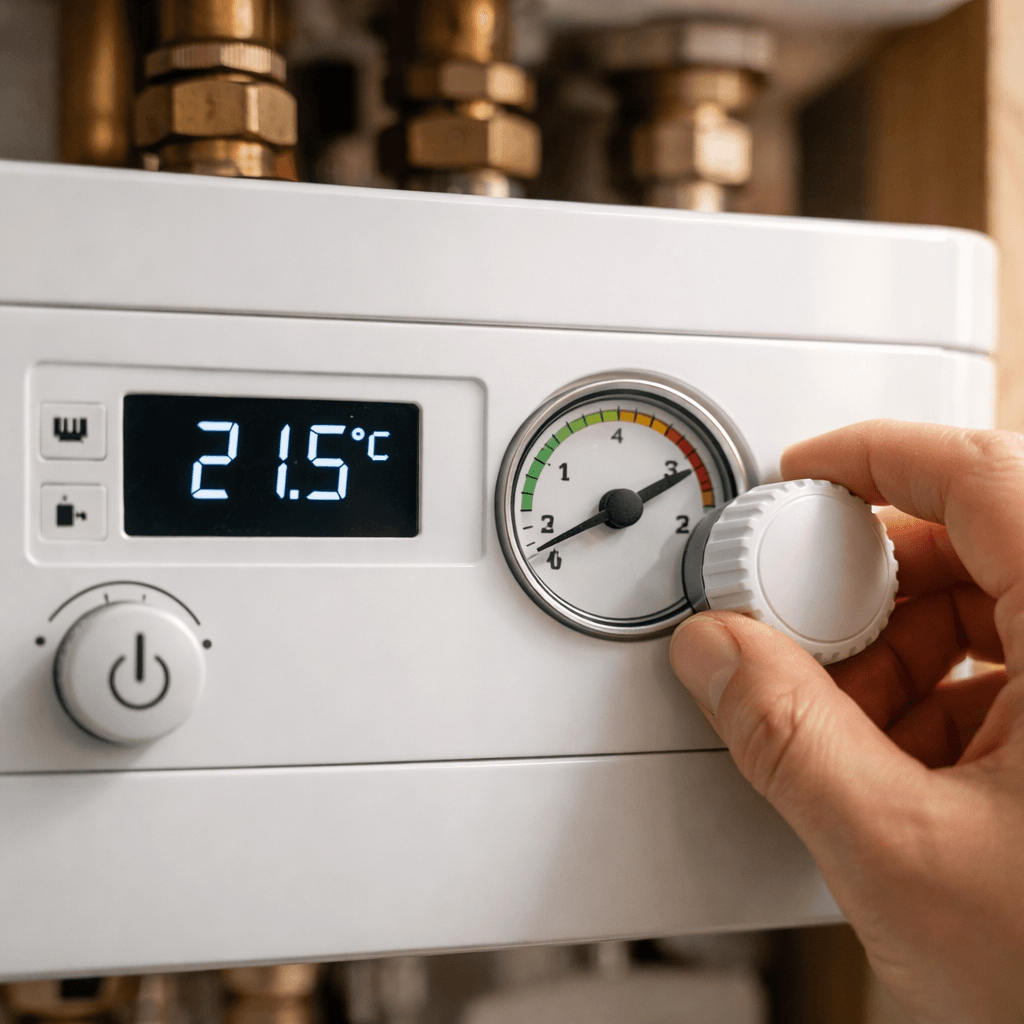
Your boiler's pressure gauge should typically read between 1 and 1.5 bar when the system is cold. Many homeowners panic when they see pressure dropping, but this is often a simple fix:
1. Locate your filling loop - a flexible braided hose connecting two pipes beneath your boiler
2. Ensure the boiler is switched off and completely cold
3. Open the filling loop valves slowly until the pressure reaches approximately 1.2 bar
4. Close the valves fully and check for any leaks
5. Switch your boiler back on and monitor for the next few days
If you find yourself repeatedly needing to top up pressure, this suggests a leak somewhere in the system that needs professional investigation.
Bleeding Your Radiators
Air trapped in radiators prevents them from heating efficiently. If your radiators feel warm at the bottom but cold at the top, bleeding them is straightforward:
1. Turn off your heating and allow the system to cool completely
2. Locate the bleed valve at the top corner of each radiator
3. Hold a cloth beneath the valve to catch any water
4. Using a radiator key (available from any DIY shop for a few pounds), turn the valve anticlockwise slightly
5. You should hear air hissing out - keep the valve open until water starts to drip
6. Close the valve and move to the next radiator
7. Check your boiler pressure afterward and top up if needed
Monthly Visual Checks
Develop a habit of giving your boiler a quick inspection monthly:
- Check the flame is blue with a small yellow tip (through the viewing window if your boiler has one)
- Ensure no warning lights are illuminated
- Listen for unusual sounds during operation
- Verify the pressure gauge shows normal levels
- Check the area around the boiler for any signs of water or damage
- Ensure ventilation around the boiler remains unobstructed
Understanding Your Boiler Controls
Modern boilers come with increasingly sophisticated controls, yet many homeowners barely scratch the surface of what is available. Learning to use your controls effectively can significantly reduce energy bills while maintaining comfort.
Programmable Thermostats
Most Thames Valley homes now have programmable room thermostats that allow you to set different temperatures for different times of day. Consider programming lower temperatures for periods when you are asleep or out of the house - each degree you lower the thermostat can reduce energy consumption by roughly 3%.
A sensible schedule might look like:
| Time Period | Temperature | Rationale |
|-------------|-------------|-----------|
| 6am to 8am | 20 to 21°C | Morning warmth |
| 8am to 4pm | 15 to 17°C | Reduced when out |
| 4pm to 10pm | 20 to 21°C | Evening comfort |
| 10pm to 6am | 16 to 18°C | Sleeping hours |
Thermostatic Radiator Valves
TRVs allow you to control the temperature in individual rooms. This is particularly useful in Thames Valley properties with rooms facing different directions or with varying usage patterns:
- **Bedrooms**: Consider lower settings (2 to 3) for better sleep quality
- **Living spaces**: Higher settings (3 to 4) for comfort during use
- **Hallways and unused rooms**: Lower settings (1 to 2) to reduce waste
Never fit TRVs in the room where your main thermostat is located, as this can confuse the system.
Weather Compensation Controls
If your boiler has weather compensation (common in newer installations), it automatically adjusts the water temperature based on outdoor conditions. This sophisticated feature ensures your boiler works only as hard as necessary, improving efficiency without compromising comfort.
Seasonal Boiler Care for Thames Valley Homes

The Thames Valley experiences a typical Southern English climate - mild compared to northern regions, but with enough winter bite to make reliable heating essential. Seasonal care helps ensure your boiler performs when you need it most.
Autumn Preparation
September and October represent the ideal time to prepare your heating system for winter:
- **Test your heating** before cold weather arrives - run the system for an hour and check all radiators are warming properly
- **Schedule your annual service** if you have not had one in the past 12 months
- **Check the condensate pipe route** - if it runs externally, ensure it is properly lagged to prevent freezing
- **Clear any debris** that may have accumulated around external flues or air intakes during summer
- **Test your carbon monoxide detector** and replace batteries if needed
Winter Maintenance
During the heating season, keep these practices in mind:
- **Never switch your heating off completely** during cold spells - even when away, maintain a minimum temperature of 10 to 12°C to prevent frozen pipes
- **Know how to thaw a frozen condensate pipe** - pouring warm (not boiling) water over the external section usually resolves this common winter issue
- **Clear snow and ice** from external flues if you notice reduced performance
- **Monitor pressure** more frequently, as the system is working harder
Summer Attention
It might seem counterintuitive, but summer is actually an important time for boiler care:
- **Run your heating briefly** once a month to keep components moving and prevent seizure
- **Test your hot water** regularly if you have a combi boiler - it needs to work throughout summer even when heating is off
- **Consider scheduling repairs** for any issues noticed during winter - engineers are often more available and you will be ready for the next heating season
Energy Efficiency and Cost Saving Tips
With energy costs remaining a significant concern for Thames Valley households, maximising your boiler's efficiency makes both environmental and financial sense.
Optimising Your Existing System
Before considering a boiler replacement, ensure you are getting the best from your current setup:
- **Reduce the flow temperature** if you have a combi boiler - many are set higher than necessary. Lowering from 80°C to 60°C can improve efficiency significantly, though radiators will take longer to warm up
- **Ensure radiators are clear** - furniture placed directly against radiators blocks heat circulation
- **Consider magnetic filters** - these catch debris that reduces efficiency and can be fitted by a heating engineer during a service
- **Lag exposed pipework** - insulating pipes in unheated spaces reduces heat loss
- **Ensure proper insulation** - the most efficient boiler cannot compensate for heat escaping through inadequate loft or wall insulation
Understanding Boiler Efficiency Ratings
Modern boilers are rated for efficiency using ErP (Energy-related Products) ratings:
| Rating | Efficiency | Typical Age |
|--------|------------|-------------|
| A | 90% or higher | Under 10 years |
| B | 86 to 90% | 10 to 15 years |
| C | 82 to 86% | 15 to 20 years |
| D or below | Under 82% | Over 20 years |
If your boiler falls into the lower categories, upgrading to a modern A-rated model could reduce your heating bills by 20 to 30%. However, the cost of replacement means this investment typically takes 8 to 12 years to pay back through savings alone.
Smart Heating Controls
Investing in smart heating controls can improve efficiency without replacing your boiler. Modern systems offer:
- **Learning capabilities** that adapt to your schedule
- **Remote control** via smartphone apps
- **Room-by-room temperature control** using smart TRVs
- **Energy usage monitoring** to identify savings opportunities
- **Integration with other smart home devices**
These systems typically cost £200 to £400 including installation and can reduce heating costs by 10 to 15% through more intelligent temperature management.
When to Call a Professional
While this guide emphasises what you can do yourself, knowing when to call a qualified professional is equally important - both for safety and to prevent minor issues becoming expensive problems.
Always contact a Gas Safe registered engineer if you:
- Smell gas or suspect a leak
- Notice a yellow or orange boiler flame
- See black marks or soot around the boiler
- Experience repeated pressure loss despite topping up
- Have no hot water or heating despite the boiler appearing to run
- Notice water leaking from the boiler itself
- Hear loud banging or unusual noises that persist
Book a routine professional visit for:
- Annual servicing (essential for safety and warranty validity)
- Pre-winter system checks if you have not used heating for months
- Assessment following any performance changes
- Advice on upgrades or replacements
- Power flushing if radiators remain cold despite bleeding
The cost of professional visits varies depending on the work required:
| Service | Typical Cost | Frequency |
|---------|--------------|-----------|
| Annual service | £60 to £100 | Yearly |
| Repair callout | £60 to £80 | As needed |
| Power flush | £300 to £500 | Every 5 to 10 years |
| Full system check | £80 to £120 | As needed |
When selecting a heating engineer, always verify their Gas Safe registration - you can do this online using their registration number. Ask for recommendations from neighbours or friends, and obtain multiple quotes for any significant work.
Frequently Asked Questions
How often should I service my boiler?
Your boiler should be serviced annually by a Gas Safe registered engineer. This is essential for safety, helps maintain efficiency, and is typically required to keep your warranty valid. Autumn is an ideal time to schedule your service, before the heating season begins.
Why does my boiler keep losing pressure?
Gradual pressure loss is common and often results from small amounts of water escaping when bleeding radiators or through natural evaporation. However, if you need to top up pressure more than once every few months, this suggests a leak somewhere in your system that needs professional investigation.
Should I leave my heating on low all day or use a timer?
For most Thames Valley homes, using a timer to heat your home only when needed is more efficient than maintaining a constant low temperature. Modern, well-insulated properties retain heat well, making timed heating sensible. However, during very cold weather or in older, less insulated properties, maintaining a minimum temperature prevents the boiler from working excessively hard to reheat a cold house.
How long should a boiler last?
A well-maintained modern boiler typically lasts 12 to 15 years, with some continuing to perform efficiently for up to 20 years. Regular servicing, prompt repairs, and keeping the system clean all contribute to longevity. If your boiler is approaching 15 years old, it is worth beginning to research replacement options rather than waiting for a breakdown.
What is the condensate pipe and why does it freeze?
The condensate pipe carries acidic water produced by modern condensing boilers to your drainage system. When this pipe runs externally (common in many installations), extremely cold weather can cause the water inside to freeze, blocking the pipe and causing the boiler to shut down as a safety precaution. Lagging external sections and pouring warm water over frozen areas usually resolves this issue.
Can I install a boiler myself?
No. By law, gas boiler installation, replacement, and most repairs must be carried out by a Gas Safe registered engineer. This is a safety requirement - improper gas work can result in carbon monoxide poisoning, fires, or explosions. Always use qualified professionals for any work involving gas appliances.
Is it worth getting a boiler cover plan?
Boiler cover plans provide peace of mind and predictable costs, but whether they represent value depends on your circumstances. If you have an older boiler, a cover plan may cost more than occasional repairs. For newer boilers under manufacturer warranty, additional cover may be unnecessary. Consider your boiler's age, your financial situation, and your tolerance for unexpected repair bills when deciding.
Caring for Your Home's Heart
Your boiler truly is the heart of your home's heating system, quietly working to keep your household warm and comfortable. By understanding how it operates, recognising early warning signs, and maintaining it properly, you become a more confident, capable homeowner.
The knowledge in this guide equips you to handle common issues, make informed decisions about your heating system, and know when professional help is genuinely needed. For Thames Valley homeowners in particular, where property types vary so widely, this understanding is invaluable.
Remember that while DIY maintenance has its place, safety always comes first. Never attempt to work on gas components yourself, and always use Gas Safe registered professionals for installation, repairs, and annual servicing.
Need help finding a trusted heating professional in your area? Home+ connects Thames Valley homeowners with vetted, experienced tradespeople who understand the unique characteristics of local properties. Whether you need routine servicing or expert advice on an upgrade, we are here to help you care for your home with confidence.
Top Tip:
This guide was researched and structured with AI assistance and reviewed for accuracy by our editorial team.