Understanding Home Drainage Systems: A Complete Guide for UK Homeowners
Your home's drainage system works quietly behind the scenes every single day. From the moment you flush the toilet in the morning to running the dishwasher after dinner, this hidden network of pipes, traps and drains keeps your property hygienic and functional. Yet most homeowners give little thought to their drainage until something goes wrong.
Understanding how drainage works in your home empowers you to spot problems early, carry out simple maintenance and make informed decisions when professional help is genuinely needed. For homeowners across Surrey and Sussex, where clay soils, mature trees and a mix of Victorian and modern properties create unique challenges, this knowledge is particularly valuable.
This comprehensive guide explains the complete drainage system in UK homes, helping you become a more confident and capable property owner.
How Your Home's Drainage System Works

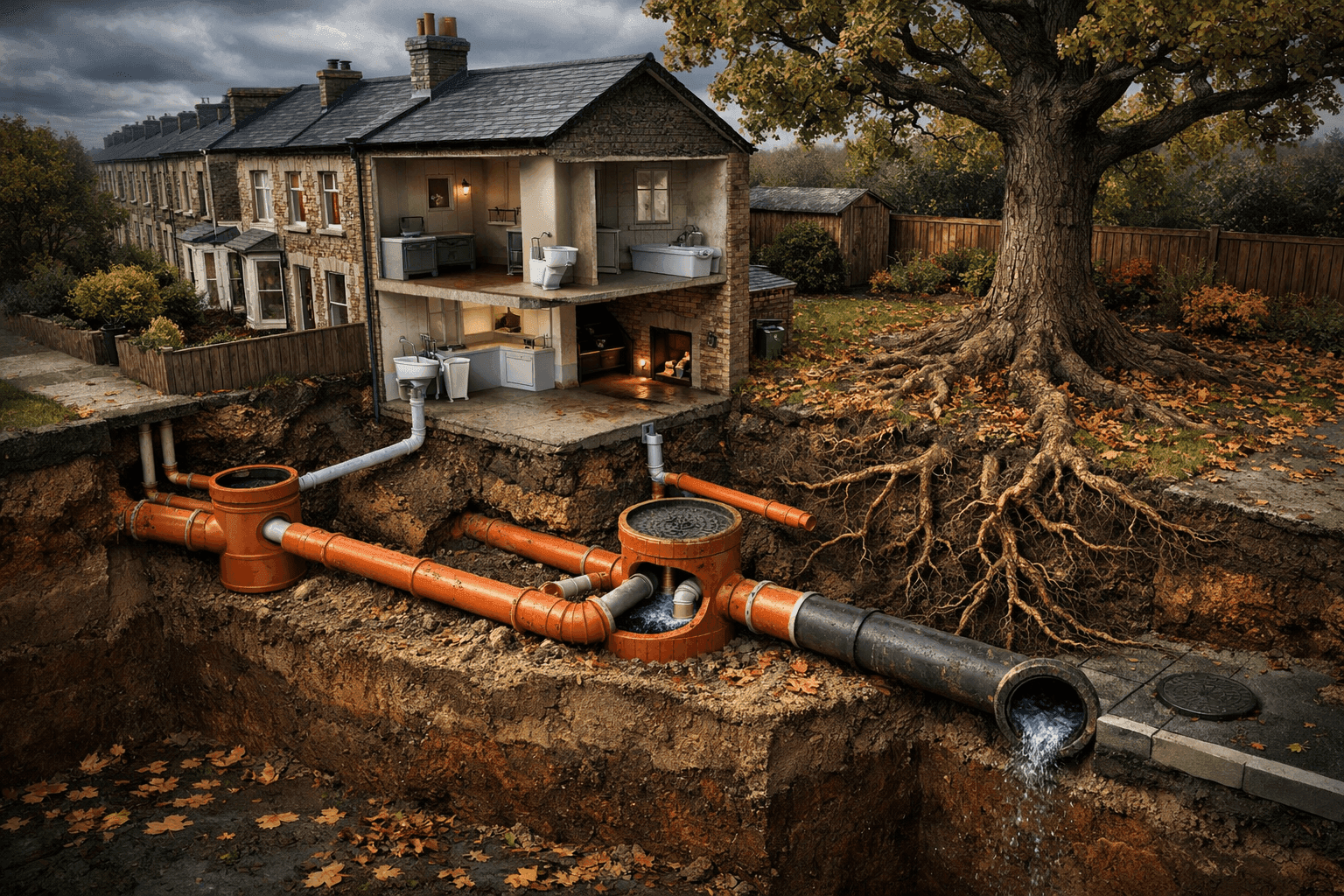
Every UK home has two distinct drainage systems working in parallel. Understanding the difference between them is fundamental to maintaining your property effectively.
Foul water drainage carries wastewater from toilets, sinks, baths, showers and appliances like washing machines and dishwashers. This water contains sewage and other contaminants, so it travels through sealed pipes to the public sewer system, where it undergoes treatment before being safely released back into the environment.
Surface water drainage handles rainwater from your roof, driveway and paved areas. Because this water is relatively clean, it typically flows into separate drains that discharge into local watercourses, soakaways or dedicated surface water sewers. Keeping these systems separate prevents overwhelming sewage treatment works during heavy rainfall.
In older properties across Surrey and Sussex, particularly those built before the 1960s, you may find a combined system where both foul and surface water share the same pipes. While this was standard practice historically, it can cause complications during storms when the system becomes overloaded.
The basic journey of wastewater through your home follows a logical path. Water leaves each fixture through a waste pipe, passes through a trap designed to prevent odours entering your home, travels through branch pipes that connect to a larger soil stack or drain, and finally exits into the underground drainage network.
The Key Components of Domestic Drainage
Understanding the individual components of your drainage system helps you identify potential issues and communicate effectively with professionals when needed.
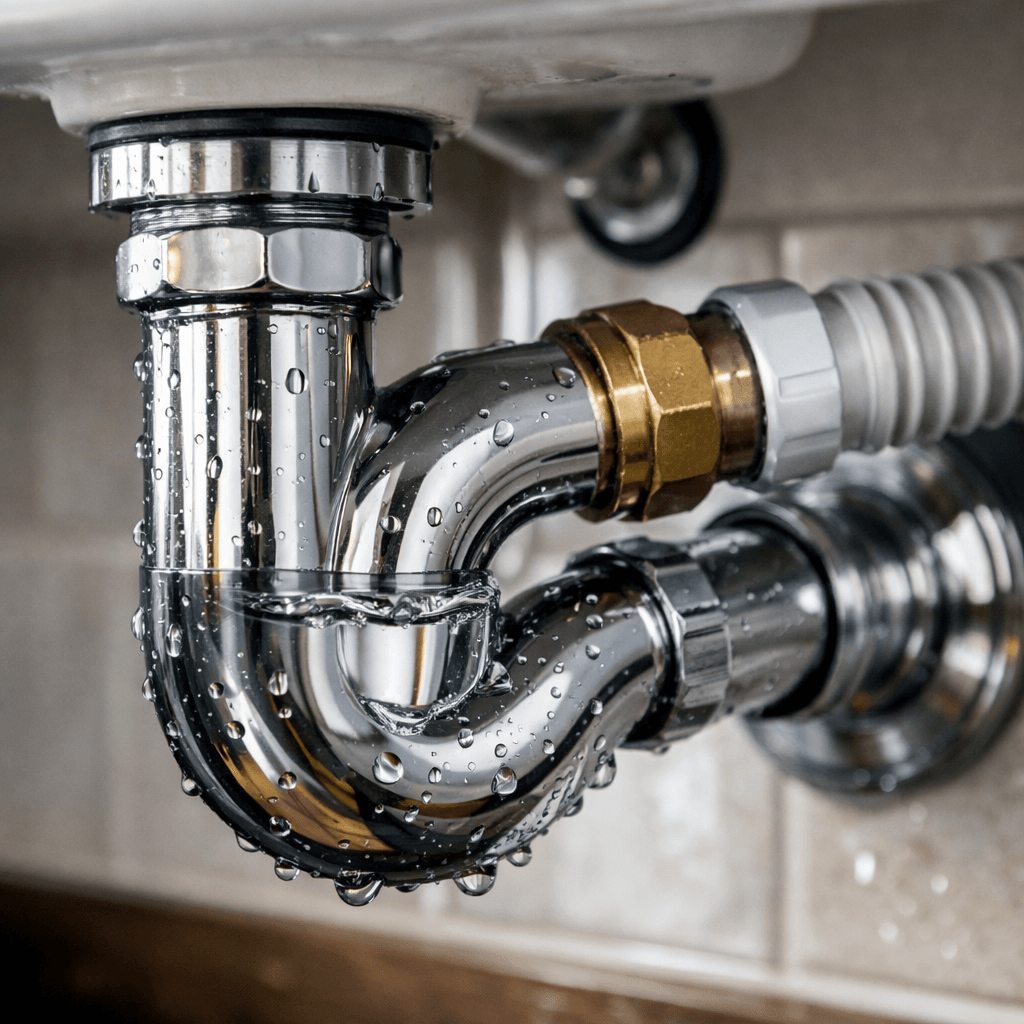
Traps and U-bends sit beneath every sink, basin, bath and shower in your home. These curved pipe sections hold a small amount of water that creates a seal, preventing foul gases from the sewer rising back into your living spaces. If you notice unpleasant smells from a rarely used sink or shower, the trap may have dried out and simply running water for a few seconds usually resolves the problem.
Waste pipes carry water from individual fixtures to the main drainage system. Under sinks, these are typically 32mm or 40mm in diameter. Bath and shower wastes usually use 40mm pipes, while toilet soil pipes are significantly larger at 110mm to handle solid waste effectively.
The soil stack is the large vertical pipe, usually visible on the outside of your property, that collects waste from upstairs bathrooms and carries it down to the underground drains. Modern properties often have internal soil stacks enclosed within walls. The stack extends above roof level, where it vents to atmosphere, allowing the system to breathe and preventing air locks that could slow drainage.
Inspection chambers and manholes provide access points to your underground drainage system. These covered openings, typically found in gardens, driveways or pathways, allow for inspection, cleaning and maintenance. Properties across Surrey and Sussex often have several inspection chambers, and knowing their locations is invaluable when problems arise.
Gullies are ground-level drainage points, usually covered with a grate, that collect water from downpipes, outside taps and sometimes kitchen or utility room appliances. A gully includes a trap to prevent odours, and the grate stops debris entering the system.
Underground pipes transport wastewater from your property to the public sewer. Older homes may have clay or pitch fibre pipes, while modern properties typically use plastic. The transition from private to public drainage usually occurs at or near your property boundary, though this varies and checking your deeds or water company records provides clarity.
Common Drainage Problems in Surrey and Sussex Homes
The geology and housing stock of Surrey and Sussex create distinctive drainage challenges that homeowners should understand.
Clay soil movement affects much of the region. Clay expands when wet and contracts when dry, causing ground movement that can shift underground pipes, create sags or misalignments, and lead to joints separating over time. This is particularly pronounced during summers following wet winters, when the soil experiences significant moisture changes.
Root intrusion represents one of the most common and problematic drainage issues in established residential areas. Mature trees actively seek out moisture, and their roots will find and exploit even the smallest gaps in pipe joints. Oak, willow, poplar and ash trees are particularly aggressive, and many Surrey and Sussex gardens feature these species. Once roots enter a pipe, they grow rapidly, eventually blocking flow entirely.
Older pipe materials present ongoing challenges. Properties built before the 1980s often have pitch fibre pipes, which degrade over time and can collapse, deform or become saturated with fat deposits. Clay pipes, while durable, are rigid and prone to cracking or joint displacement as the ground moves. Victorian and Edwardian properties, common throughout the region, may have drainage systems over a century old.
Fat, oil and grease accumulation affects all properties regardless of age. When cooking fats enter the drainage system, they cool and solidify on pipe walls, gradually reducing flow capacity. Combined with other debris like food particles, soap residue and hair, this creates stubborn blockages that worsen over time.
Seasonal flooding concerns arise in low-lying areas and properties near watercourses. Parts of Sussex, particularly around the levels and coastal plains, face regular drainage challenges during winter months when high water tables and heavy rainfall overwhelm systems.
Recognising Early Warning Signs
Catching drainage problems early prevents minor issues becoming major headaches. Your drainage system provides numerous signals that attentive homeowners can learn to recognise.
Slow-draining fixtures offer the most obvious indication of developing blockages. If your bath takes increasingly long to empty or the kitchen sink holds water longer than usual, partial blockages are forming somewhere in the system. Address these promptly before they become complete obstructions.
Gurgling sounds from plugholes or toilets suggest air is trapped in the system, often indicating a blockage downstream or a venting problem. When you notice gurgling after using one fixture while another drains, the warning becomes more urgent.
Unpleasant odours escaping from drains, particularly near gullies or inspection chambers, indicate trapped waste or dry traps. Persistent sewer smells inside your home may suggest damaged or blocked vent pipes, failed seals or cracked underground drainage.
Damp patches or sinkholes in your garden can indicate leaking underground pipes. Water escaping from damaged drains saturates surrounding soil, and over time this may cause ground subsidence or areas of particularly lush vegetation following the pipe route.
Multiple fixtures affected simultaneously points toward a problem in the main drainage run rather than individual branch pipes. If your downstairs toilet, kitchen sink and utility room drain all develop problems together, the blockage lies in your shared outflow to the sewer.
Rising water levels in inspection chambers during normal use suggest blockages downstream. Lifting manhole covers during a drainage issue often reveals exactly where problems originate - water backs up behind blockages and accumulates in the nearest upstream chamber.
Practical Maintenance Tips for Homeowners
Regular maintenance significantly extends the life of your drainage system and prevents most common problems. These straightforward tasks require no specialist skills or equipment.
Monthly drain cleaning using boiling water helps dissolve grease accumulation in kitchen pipes. Once a month, pour a full kettle of boiling water slowly down your kitchen sink. For extra effectiveness, follow with a handful of washing soda crystals dissolved in warm water.
Protecting drains from debris prevents blockages before they start. Install sink strainers in kitchen and bathroom basins to catch food particles and hair. Never pour cooking fat down drains - instead, let it solidify in a container and dispose of it with household waste.
Checking and cleaning gully traps quarterly keeps external drainage flowing freely. Lift the grate, remove any accumulated leaves, debris or silt, and flush with clean water. This takes minutes but prevents water backing up against your external walls.
Maintaining inspection chamber covers ensures access when needed. Clear vegetation away from manhole covers, check that they sit properly in their frames, and ensure you can lift them. Seized or buried covers cause significant delays when emergency access becomes necessary.
Seasonal gutter cleaning protects your surface water drainage. Blocked gutters overflow, depositing debris directly into drainage gullies and overwhelming the system. Clean gutters thoroughly each autumn after leaves fall, and again in spring.
Tree management near drainage runs reduces root intrusion risk. While you cannot always remove established trees, keeping them pruned reduces their water demand and limits root spread. When planting new trees, research mature root spread and position them appropriately away from drainage routes.
Annual inspection chamber checks help identify developing problems. Each year, lift your manhole covers and observe the drainage flow. Water should run freely through the chamber without accumulation. Deposits of fat, silt or debris indicate problems developing that merit attention.
When Professional Help Makes Sense

While many drainage maintenance tasks suit confident homeowners, certain situations warrant professional expertise.
Persistent or recurring blockages that return despite your efforts suggest deeper issues requiring professional diagnosis. Repeated blockages in the same location often indicate damaged pipes, root intrusion or structural problems that surface-level clearing cannot resolve.
Main drain blockages affecting multiple fixtures typically require professional drain rods or high-pressure water jetting to clear effectively. While drain rods are available to homeowners, incorrect use can compact blockages further or damage pipes.
CCTV drain surveys provide invaluable information when problems remain unclear. Camera inspections reveal the exact condition of underground pipes, identify damage, locate blockages precisely and inform decisions about repair approaches. Before purchasing a property, these surveys can save thousands by identifying hidden drainage issues.
Structural repairs to damaged underground drainage require professional skills and equipment. Excavating and replacing pipes, relining damaged sections or installing new drainage runs demands expertise, appropriate tools and usually building regulations compliance.
Septic tanks and private drainage need professional maintenance. Properties not connected to mains sewerage require regular emptying, inspection and servicing by licensed operators. Neglecting private systems creates environmental hazards and potential prosecution.
Pricing Guide for Professional Drainage Services
| Service | Typical Price Range | Notes |
|---------|---------------------|-------|
| Basic drain unblocking | £75 to £150 | Usually resolves simple blockages |
| Drain jetting | £120 to £250 | For stubborn or deep blockages |
| CCTV survey | £150 to £300 | Includes footage and written report |
| Drain relining | £80 to £150 per metre | Minimally invasive pipe repair |
| Excavation and repair | £500 to £2000+ | Depends on depth and access |
Understanding Your Drainage Responsibilities
Knowing where your responsibilities begin and end prevents confusion during drainage emergencies and ensures problems receive appropriate attention.
Private drains within your property boundary serving only your home are your responsibility to maintain and repair. This includes all internal waste pipes, your soil stack, underground drainage from your house to the property boundary, and gullies and inspection chambers within your land.
Lateral drains running from the property boundary to the public sewer became the responsibility of water companies in England and Wales from 2011. If your blockage occurs in this section, your water company should address it without charge.
Shared drains serving multiple properties have been the responsibility of water companies since 2011, regardless of their location. If you share drainage with neighbours, the water company typically handles maintenance and repairs.
Public sewers remain the water company's responsibility entirely. These main sewers in roads and public land collect drainage from multiple properties and transport it to treatment works.
When blockages occur, establishing the location determines who should resolve them. If water backs up into your property but neighbours remain unaffected, the blockage likely sits in your private drainage. If multiple properties experience simultaneous problems, the blockage probably lies in shared or public drainage.
Protecting Your Drainage During Home Improvements
Home improvement projects can inadvertently damage drainage systems or create new problems. Understanding key considerations protects your investment.
Kitchen and bathroom renovations often involve moving or adding drainage connections. New fixtures need properly sized pipes, adequate falls to ensure flow, and appropriately positioned traps. Poorly planned drainage modifications cause persistent problems with slow emptying, gurgling and blockages.
Extensions and conservatories frequently build over existing drainage runs. Building regulations require either protection for existing drains or their diversion. Ignoring buried drainage during construction creates expensive problems when access becomes necessary later.
Driveway and patio installations must account for drainage requirements. Impermeable surfaces increase rainwater runoff, potentially overwhelming existing drainage. Sustainable drainage approaches, including permeable paving, soakaways and rain gardens, manage this additional water effectively.
Landscaping changes around existing drainage require care. Avoid adding significant soil depth over inspection chambers or drainage runs. Heavy equipment compacting soil above pipes can cause damage, and planting inappropriate species near drains invites root problems.
Frequently Asked Questions About Home Drainage
What causes drains to smell and how can I fix it?
Drain smells typically result from dry traps, blocked vents or accumulations of organic matter decomposing within pipes. For infrequently used fixtures, simply running water refills the trap and restores the odour seal. Persistent smells from regularly used drains suggest blockages or damage requiring investigation. External drain odours often indicate blocked gullies or full inspection chambers that need clearing.
How often should I have my drains professionally cleaned?
Most residential drainage systems do not require routine professional cleaning if properly maintained. However, properties with recurring problems, older pipe materials, heavy kitchen use or known root intrusion issues benefit from annual jetting to prevent buildup becoming problematic. Prevention costs significantly less than emergency callouts.
Can I use chemical drain cleaners safely?
Caustic chemical drain cleaners can damage older pipes, harm beneficial bacteria in septic systems, and pose safety risks during use. For minor blockages, enzyme-based biological cleaners offer safer alternatives that digest organic matter without corrosive effects. Boiling water and washing soda remain effective for routine maintenance without chemical concerns.
What should I do if sewage backs up into my home?
Sewage backup requires immediate action to protect health. Stop using water throughout the property to prevent adding to the problem. If the blockage appears to be in shared or public drainage, contact your water company immediately - they provide 24-hour emergency services. Avoid contact with sewage, ventilate affected areas, and consider professional cleaning once the blockage clears.
How do I locate my property's drainage layout?
Building regulations require drainage plans for properties built since the 1960s, held by your local authority building control department. Your property deeds may include drainage information. For older properties or where records prove elusive, CCTV surveys can map your complete drainage system, creating records for future reference.
Should I get a drain survey before buying a property?
CCTV drain surveys provide valuable peace of mind during property purchases, particularly for older homes. Standard building surveys rarely assess drainage thoroughly, yet repair costs can run into thousands of pounds. The modest survey cost often pays for itself by enabling informed negotiation or avoiding problematic purchases entirely.
Why do my drains gurgle when the washing machine empties?
Gurgling indicates the appliance's discharge is affecting air pressure elsewhere in your drainage system, usually because pipes lack adequate venting or partial blockages restrict airflow. Ensure the washing machine waste connects appropriately to your drainage and check for developing blockages in downstream pipes.
Caring for Your Home's Hidden Systems
Your drainage system represents a significant but often overlooked part of your property's infrastructure. Understanding how it works, recognising warning signs and carrying out simple maintenance protects your home from unpleasant and costly problems.
Regular attention to drains, gullies and inspection chambers takes minimal time but delivers substantial benefits. You will catch problems before they escalate, extend the lifespan of your drainage system and avoid the disruption of emergency repairs.
For homeowners across Surrey and Sussex, where local conditions create particular challenges, this knowledge proves especially valuable. Whether you live in a Victorian terrace with century-old clay pipes or a modern development with contemporary plastic systems, understanding your drainage empowers you to care for your property confidently.
Need help maintaining your home or addressing drainage concerns? Home+ connects you with trusted local professionals who understand the specific challenges of properties in your area.
Top Tip:
This guide was researched and structured with AI assistance and reviewed for accuracy by our editorial team.